
Plants
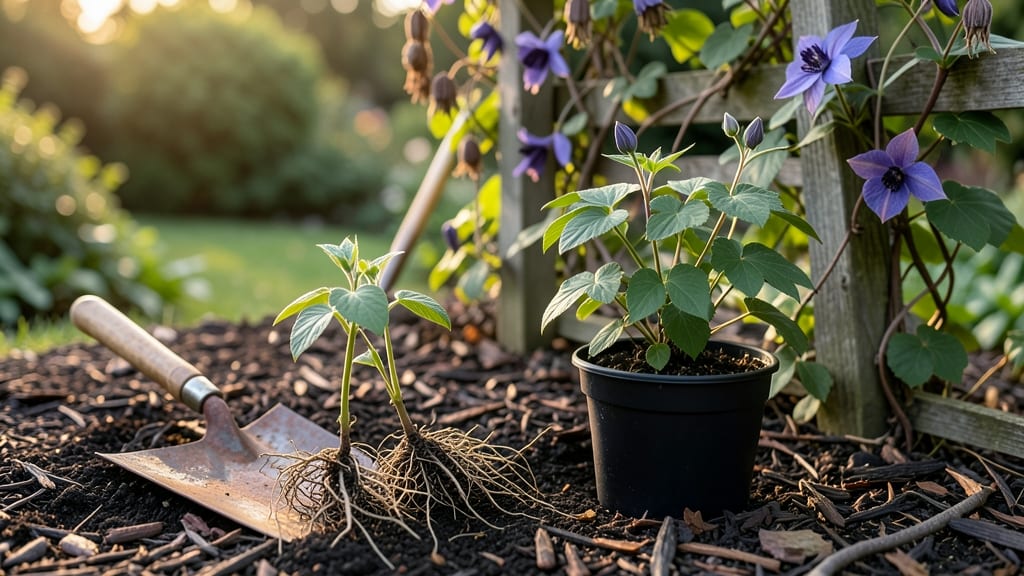
When to plant clematis in Texas is all about timing—because those wilting vines under the scorching sun or unexpected freezes are a clear sign you missed the best window.
Most gardeners assume spring is the only time to plant clematis, but Texas’s climate actually gives you two prime windows: late winter to early spring (February-March) and fall (October-November). Why?
Because avoiding the brutal summer heat and giving roots time to establish before extreme temperatures is the key to survival.
I’ve seen firsthand how a misplaced planting date can leave clematis struggling—so let’s cut through the guesswork.
Whether you’re in North Texas with later frosts or South Texas where winters are milder, I’ll break down the exact months to plant, how to prep your soil, and even which varieties handle Texas’s heat best.
Ready to turn your clematis into a showstopper? Let’s dive into the heat-zone timeline that’ll keep your vines blooming year after year—no more second-guessing, just stunning results.
Best planting windows for clematis in Texas heat zones
Texas’s diverse climate zones (USDA 8a-10b) demand precise timing for clematis planting—too early, and your vine struggles with heat shock; too late, and frost risks damage. Fall planting (October-November) is ideal for most regions, while spring planting (February-March) works for North Texas.
The key? Plant when soil temps are 60-70°F and avoid extreme heat or frost.
Clematis thrives in Texas’s cooler seasons, but the exact window depends on your zone. North Texas (e.g., Dallas) has later last frosts (~February 15), while South Texas (e.g., San Antonio) can plant as early as January. Central Texas (Austin) falls in between, with a February 1 average last frost date.
Always check your local first frost dates (North TX: ~November 15; South TX: ~December 15) to plan accordingly.
Container-grown clematis offers flexibility—you can plant year-round in mild zones (like South Texas), but fall remains best for root establishment before summer heat. Bare-root clematis must be planted in dormant seasons (fall or late winter) to avoid transplant shock.
Pro tip: Soak bare roots in water for 1-2 hours before planting to revive them.
| Texas Zone | Best Planting Window | Soil Temp Goal | Key Consideration |
|---|---|---|---|
| North TX (8a) | Late Feb–Early Mar (Spring) or Oct–Nov (Fall) | 60–70°F | Avoid late spring heat; mulch heavily. |
| Central TX (8b) | Early Feb–Mar or Sep–Oct | 65–75°F | Provide afternoon shade in summer. |
| South TX (9a-10b) | Jan–Feb or Sep–Oct | 70–80°F | Use shade cloth in peak summer. |
| Containers (Any Zone) | Year-round (mild zones) or Fall/Spring | 60–75°F | Move containers to shade in summer. |
For spring planting, aim for February-March in North Texas and January-February in South Texas.
This gives roots time to establish before summer’s 100°F+ soil temps, which can cause root burn. Fall planting (October-November) is my top recommendation—cooler temps reduce stress, and roots grow 6 weeks before dormancy, setting up a stronger vine.
Texas’s humidity and heat can stress clematis, so avoid planting in summer unless using containers with shade. If you must plant in summer, choose heat-tolerant varieties like ‘Jackmanii’ or ‘Nelly Moser’ and provide daily afternoon shade. Morning sun is ideal for photosynthesis without scorching leaves.
Protect young clematis from Texas’s unpredictable frost by planting 2-3 weeks before your average first frost date. Use row covers or mulch with 4–6 inches of straw to insulate roots.
In Zone 8a (North Texas), a late frost in November can damage new growth, so fall planting by October 15 is safest.
Container planting extends your window—move pots to shaded patios in summer and sunny spots in cooler months. Well-draining soil is critical; mix 50% native soil with 50% compost and add perlite for aeration. Deep watering (1–2 gallons per container) keeps roots hydrated without soggy soil.
Watch for heat stress signs like yellowing leaves or wilting—these mean it’s time to increase shade or water deeply. Mulch with pine bark retains moisture and regulates soil temp.
In South Texas’s Zone 10b, clematis can bloom year-round if given consistent care, but fall planting still ensures strongest growth.
Timing isn’t just about months—it’s about soil and weather conditions. Check 7-day forecasts before planting; avoid days with high winds or rain, which can compact soil. Plant on a cloudy day to reduce transplant shock from direct sun.
With the right timing, your clematis will thrive in Texas’s heat and reward you with season-long blooms. 🌸
Best planting windows for clematis in Texas heat zones
Texas’s climate zones—ranging from USDA Zone 8a in North Texas to Zone 10b in the Rio Grande Valley—mean your clematis planting window varies dramatically. In North Texas (Zones 8a-8b), where last frosts hit around February 15, aim for late February to early March for spring planting.
Meanwhile, South Texas (Zones 9a-10b) gardeners can plant as early as January 15 to avoid summer’s scorching heat.
Fall planting is equally critical—especially in Central Texas (Zones 8b-9a), where first frosts arrive by December 1. Planting in October or November gives roots time to establish before winter dormancy. This strategy works because Texas’s 200-300 frost-free days create a narrow window between extreme heat and cold.
Here’s the key difference: Spring planting risks heat shock if done too late, while fall planting avoids summer drought stress. Both methods succeed if you follow the 6-week rule: plant early enough for roots to establish before extreme temperatures hit.
| Texas Zone | Last Frost | Best Spring Planting | Best Fall Planting | Avoid Planting |
|---|---|---|---|---|
| North Texas (8a-8b) | Feb 15 | Late Feb - Early Mar | Oct 15 - Nov 15 | Apr - Sep |
| Central Texas (8b-9a) | Feb 1 | Mid-Feb - Early Mar | Oct 1 - Nov 15 | Apr - Sep |
| South Texas (9a-10b) | Jan 15 | Jan - Early Feb | Sep 15 - Oct 30 | Mar - Aug |
Container planting offers flexibility for urban gardeners or those with poor soil. In pots, clematis can be planted anytime—even summer—if you provide consistent moisture and afternoon shade. However, in-ground planting still benefits from the fall window because soil stays cooler and retains moisture longer.
Pro tip: If you miss the ideal window, bare-root clematis can be planted in winter (December-January) as long as the ground isn’t frozen. Just keep the roots moist and mulch heavily to protect from temperature swings.
Remember, clematis thrives with 4-6 inches of soil coverage over the crown to shield it from Texas’s intense sun and heat. This simple adjustment can mean the difference between a wilting vine and a blooming showstopper.