
Plants
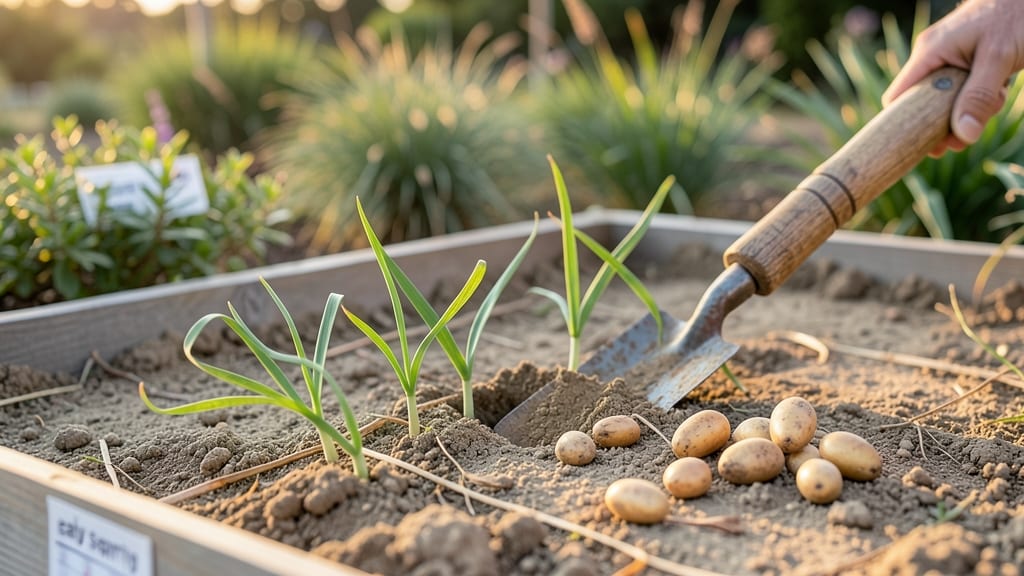
Timing your chufa planting in North Carolina can make the difference between a thriving crop and a disappointing one. This drought-resistant 🌾 plant loves NC’s climate, but getting the window right—especially in zones 7a-8b—is the key to those plump, nutty tubers you’re dreaming of.
Most gardeners in the Tar Heel State wait until late spring or early summer, but why? Because chufa needs consistent warmth to germinate properly, and planting too early risks those pesky late frosts that can wipe out your seedlings.
The magic happens between April and June, when soil temperatures hit that sweet spot of 60°F.
Here’s the game-changer: coastal areas might push planting a little later than the Piedmont, thanks to their milder microclimates. And if you’re in the mountains? You’ll need to adjust even further to avoid early fall chills. I’ll break down exactly how to time it for your specific corner of NC.
Ready to grow chufa like a pro? Let’s dive into the zone-specific planting schedule that’ll set you up for a harvest full of those prized tubers—just in time for late summer or fall feasting.
Best planting months for chufa in NC by hardiness zones
North Carolina’s diverse climate—from the Coastal Plain to the Piedmont and Mountains—means chufa planting times vary by USDA Zone. Most of NC falls within Zones 7b-8a, where chufa thrives with 215 frost-free days annually.
The key is planting after the last frost date (typically mid-March in Zone 7b and earlier in Zone 8a) and before summer heat peaks.
For Zone 7b (eastern NC), aim for late April to early May when soil temperatures hit 60°F+. In Zone 8a (western NC), you can start as early as mid-April, but avoid late plantings after June 15 to ensure tubers mature before frost.
Coastal areas may extend planting into early July due to milder winters.
Chufa is a warm-season crop, so rushing planting in cooler zones risks poor germination. Wait until the soil is consistently above 60°F at 2-inch depth—use a soil thermometer to check. In Zone 7b, this often means delaying until May 1 to avoid early-season frosts.
🌾 Chufa Planting Timeline by NC Zone
| Zone | Ideal Planting Window | Soil Temp Requirement | Frost Risk |
|---|---|---|---|
| 7b (Eastern NC) | Late April–Early May | 60°F+ (2-inch depth) | High (last frost: Mar 15) |
| 8a (Western NC) | Mid-April–June 15 | 60°F+ (2-inch depth) | Moderate (last frost: Mar 1) |
| Coastal Plain | April–Early July | 60°F+ (2-inch depth) | Low (milder winters) |
| Mountains (Zone 6b) | Early May–June 10 | 65°F+ (2-inch depth) | Very High (last frost: Apr 15) |
💡 Pro Tip: Use black plastic mulch in Zone 7b to warm soil faster and extend the planting window by 2-3 weeks.
Microclimates play a huge role in NC. For example, Raleigh (Zone 7b) may see late frosts in April, while Asheville (Zone 7a) gardeners should wait until after May 15 to avoid frost damage.
Check your local Cooperative Extension Service for precise frost dates—every 50 miles can mean a 2-week difference in planting windows.
Chufa is a perennial in NC, but it’s treated as an annual for harvests since tubers decline after 2-3 years. This means you can replant fresh seeds yearly for consistent yields.
If you’re in a warmer microclimate (like the Coastal Plain), you might even get two harvests—plant once in April and again in July for fall tubers.
Soil preparation is just as critical as timing. Chufa hates soggy soil, so amend clay-heavy areas with compost or sand to improve drainage. A pH of 6.0–7.0 is ideal—test your soil before planting and adjust with lime (to raise pH) or sulfur (to lower pH) if needed.
In sandy soils (common in the Coastal Plain), mix in organic matter to retain moisture.
One common mistake is planting chufa too deep—bury seeds only 1–2 inches below soil level. Deeper planting delays germination and attracts pests. Use a hand trowel to create shallow furrows, space seeds 6–12 inches apart, and cover lightly with soil.
In Zone 8a, you can even direct-sow in late summer (August) for a fall harvest, but expect smaller tubers.
Monitor your chufa patch for emergence in 10–14 days after planting. If seedlings don’t appear within 3 weeks, the soil may have been too cold or dry. In drought-prone areas (like the Piedmont), mulch with straw or wood chips to retain moisture during germination.
Once established, chufa is drought-tolerant, but young plants need consistent watering to prevent stress.
Remember: June is the sweet spot for chufa planting in most of NC.
Best planting months for chufa in NC by hardiness zones
North Carolina’s diverse climate means your chufa planting window depends heavily on your USDA zone and microclimate. Most gardeners in Zone 7b-8a aim for late April to early June, but coastal areas can push planting until mid-June thanks to milder temperatures.
The key is waiting until soil temperatures hit 60°F—cold soil delays germination.
In the Piedmont region (Zones 7a-7b), aim for April 15-May 15 to avoid late spring frosts that can kill young seedlings. Mountain areas (Zone 7a) should wait until mid-May when frost risk drops below 10%. Meanwhile, coastal gardeners (Zone 8a) have flexibility until June 1 due to warmer ocean-influenced air.
| NC Region | USDA Zone | Ideal Planting Window | Soil Temp Requirement | Frost Risk |
|---|---|---|---|---|
| Mountains | 7a | May 15-June 1 | 60°F+ | High until May 15 |
| Piedmont | 7b | April 15-May 15 | 60°F+ | Moderate until May 1 |
| Coastal Plain | 8a | April 1-May 31 | 60°F+ | Low after April 15 |
Pro tip: Use a soil thermometer to confirm readiness—chufa seeds won’t sprout below 55°F, even if the air feels warm. In Zone 7b, I’ve seen gardeners rush planting in April only to watch seedlings die when a 32°F dip hits in early May.
Patience pays off with bigger tubers!
For organic growers, consider pre-sprouting seeds indoors 2-3 weeks before your target planting date. This gives you a 10-14 day head start on the season, especially critical in the mountains where summers are shorter. Just use sphagnum moss (not soil) to prevent rot during germination.
Remember that chufa is a warm-season crop, so planting after June 15 risks tubers maturing too late for harvest before frost. In Zone 8a, I’ve had success with August plantings for a fall harvest, but yields are typically 30% smaller than spring-planted crops.
Balance risk and reward based on your local frost dates!
Check your average first frost date (typically November 15 in NC) and count backward 120 days to determine your latest safe planting window. This ensures tubers mature before winter sets in—critical for that nutty harvest you’re after. 🌾