
Companion Plants
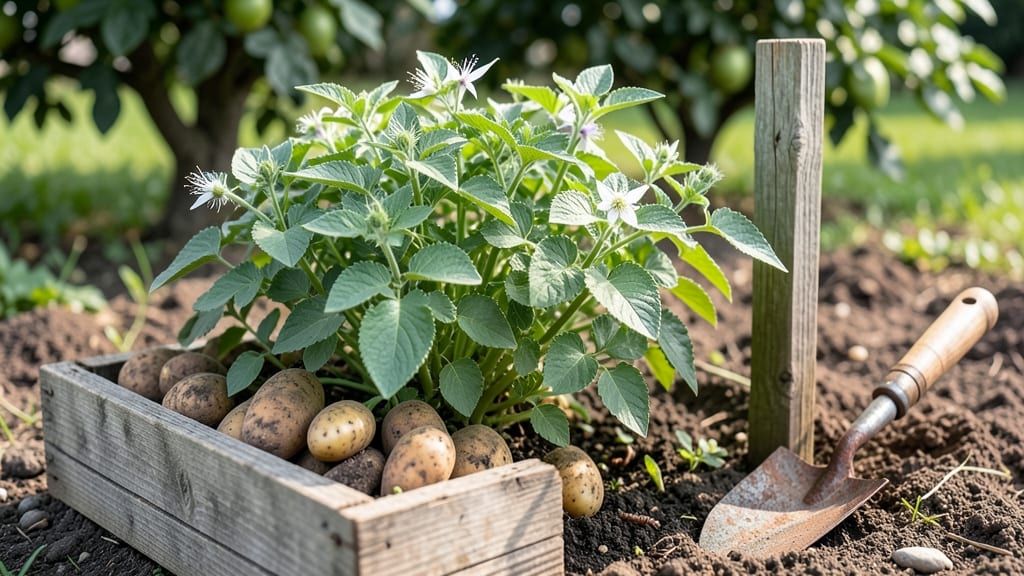
When can I plant potatoes in Zone 5B? Timing your potato planting in this zone could make or break your harvest—get it wrong, and you might end up with frost-killed sprouts or stunted tubers. The key to success lies in knowing exactly when to plant those 🥔 for optimal growth, and it all starts with understanding your local frost patterns and soil conditions.
Most gardeners in Zone 5B aim to plant potatoes 2-4 weeks after the last frost date, but the exact timing depends on whether you're growing early, mid-season, or late varieties. For example, early potatoes can handle cooler soil, while late varieties need warmer temperatures to thrive.
I’ll break down the best windows so you can avoid common mistakes and maximize your yield.
You’ll also discover how to prepare your soil for planting, when to expect your first harvest, and how to adjust for microclimates that might be warmer or cooler than your average Zone 5B conditions.
Whether you're a beginner or a seasoned gardener, these insights will help you plan like a pro.
Ready to dig in? Let’s explore the exact dates, soil temperature tips, and variety-specific strategies that will set you up for a bumper potato crop this season.

Best planting dates for potatoes in zone 5B (with frost risk guide)
In Zone 5B, potatoes thrive when planted after the last frost date, but timing is critical—too early risks frost damage, while too late delays harvest.
The ideal window spans 2-4 weeks after your average last frost date, typically between mid-April and early May in most of Zone 5B. For example, in Chicago, this might be late April, while in Portland, Maine, early May is safer.
Potatoes need soil temperatures above 45°F (7°C) to sprout consistently. Use a soil thermometer to confirm—planting in cold soil slows germination and invites rot. In Zone 5B, this usually aligns with late April to early May, but microclimates (like south-facing slopes) may allow earlier planting.
For fall planting, some gardeners try late-summer plantings (August-September) for a second harvest. However, Zone 5B’s short growing season limits this to early-maturing varieties only. Tubers must mature before the first frost (usually mid-October), leaving little room for error.
Here’s how to calculate your exact planting window: Subtract 14 days from your last frost date (to account for germination) and add 2-4 weeks for soil warming. For instance, if your last frost is May 10, aim to plant by May 1-15.
Zone 5B Potato Planting Timeline
| Stage | Action | Notes |
|---|---|---|
| Soil Prep | Test pH (5.0–6.5), add compost | Do 2–4 weeks before planting |
| Planting Window | 2–4 weeks after last frost | Avoid if night temps <40°F (4°C) |
| Germination | 10–21 days at 50–60°F (10–15°C) | Keep soil moist but not soggy |
| Harvest Ready | 70–120 days after planting | Early varieties first, then late |
Planting depth matters in Zone 5B’s variable climate. Bury seed potatoes 4–6 inches deep with the rose end up (where sprouts emerge). As plants grow, mound soil around stems (hill) to prevent greening and encourage tuber formation. This is especially critical if late frosts linger—hilled soil insulates tubers.
Watch for late-season frosts, which can blacken leaves but rarely harm tubers. If frost threatens after planting, cover seedlings with frost cloth or straw mulch. Zone 5B’s unpredictable spring means having a backup plan for 3–4 weeks after planting is wise.
For container growing, use deep pots (12+ inches) and plant 2 weeks earlier than in-ground—containers warm faster. However, containers dry out quicker, so monitor soil moisture daily. In Zone 5B, this method is best for early varieties or small harvests.
Missed the spring window? Don’t despair—some fast-maturing varieties (like ‘Red Norland’) can be planted in late June for a fall harvest, but yields will be smaller. Prioritize soil warmth and sun exposure to maximize success.
Always account for local frost dates, which can vary by 1–2 weeks even within Zone 5B. Check your local cooperative extension service or use a frost calendar app for hyper-local precision. Adjust your planting by 1 week earlier or later based on past years’ data.
Best planting dates for potatoes in zone 5B (with frost risk guide)
In Zone 5B, your potato planting window typically opens 2-4 weeks after your average last frost date. For most areas, this means aiming for mid-to-late April to early May, but exact timing depends on soil temperature and variety.
Cold soil can stunt growth, while waiting too long risks reduced yields. I always check my soil thermometer—potatoes thrive when soil reaches 45°F (7°C).
Your last frost date is the critical benchmark. In Zone 5B, this usually falls between April 15-30, but microclimates (like low spots or urban heat islands) can shift this by 1-2 weeks.
For example, if your last frost is April 25, plant by May 10 for early varieties. Late varieties may need to wait until mid-May to avoid frost damage during early growth.
Here’s how to calculate your exact window: Subtract 2-4 weeks from your last frost date, then adjust based on variety. Early potatoes (like 'Red Pontiac') can handle cooler soil, while late varieties (like 'Russet Burbank') need warmer conditions.
I always plant a mix to stagger harvests—this ensures a continuous supply from summer through fall.
| Stage | Action |
|---|---|
| Soil Prep | Test soil pH (aim for 5.0-6.5); add compost for drainage. |
| Planting Window | 2-4 weeks after last frost (April 15-May 15 in Zone 5B). |
| Soil Temp | Wait until soil reaches 45°F (7°C) for best growth. |
| Planting Depth | 4 inches deep, 12 inches apart; cover with 3-4 inches of soil. |
| Frost Risk | Avoid planting if frost is forecasted within 2 weeks. |
| Harvest Window | 70-120 days after planting (varies by variety). |
Frost is your biggest enemy during early growth. If a late frost hits after planting, cover seedlings with frost cloth or row covers to protect tender shoots. I’ve lost entire batches in Zone 5B because I underestimated late frosts—always monitor your local forecast and adjust planting dates if needed.
For extra insurance, plant early varieties first, as they mature faster and can tolerate cooler soil.
Another pro tip: Chit your seed potatoes (sprout them indoors before planting) to give them a head start. This speeds up emergence and helps them outpace late frosts. Place seed potatoes in a bright, cool spot (like a windowsill) for 2-4 weeks before planting.
I chit mine in early April, so they’re ready to go as soon as the soil warms up.
Finally, don’t forget to hill your potatoes as they grow. This means piling soil around the stems every 2-3 weeks to encourage tuber formation. Aim for a 6-inch mound around mature plants.
Hilling also protects tubers from sunlight, which can turn them green and toxic. With the right timing and care, you’ll harvest golden, disease-free potatoes by mid-summer.