
Plants
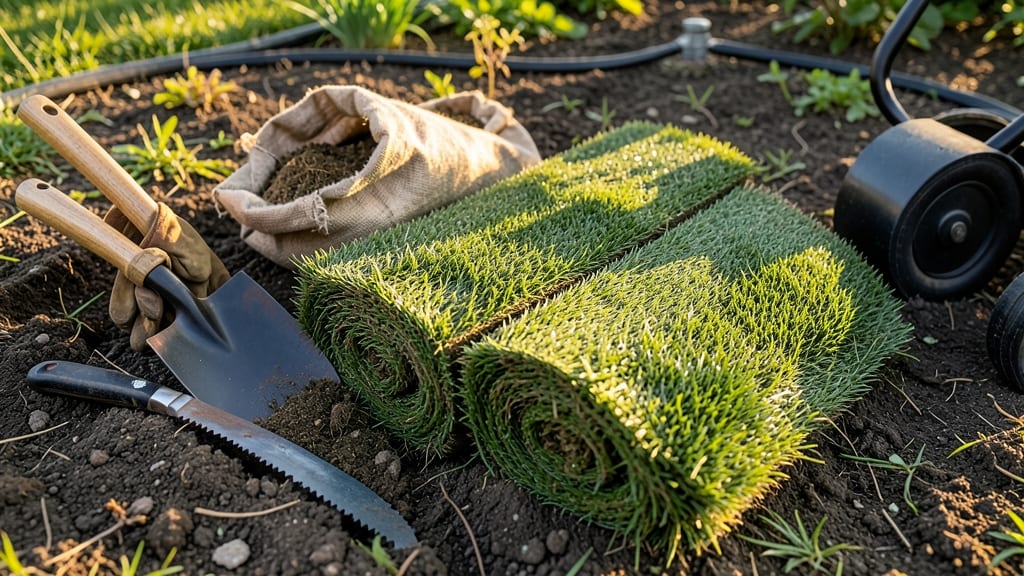
If you're dreaming of a lush, green lawn in Texas but struggling with patchy or weak St. Augustine grass, when is the best time to plant St. Augustine grass in Texas?
The answer might be simpler than you think: timing is everything. Planting at the wrong time can leave your yard thin, stressed, or even dead—especially in Texas's extreme heat and unpredictable weather.
Texas gardeners know the struggle: too early, and frost can wipe out your efforts; too late, and the scorching summer sun will stress young grass before it even takes root. The best window for planting is narrow, but getting it right makes all the difference for a thriving lawn.
In this guide, I’ll break down the optimal months for planting in North, Central, and South Texas, plus the key signs to check before you dig in. Whether you’re prepping for spring or early fall, these tips will help you avoid common mistakes and set your grass up for success.
Ready to transform your yard? Let’s dive into the zone-specific secrets that’ll give you the greenest lawn in the neighborhood—without the guesswork.
Texas zone-specific planting months for St. augustine grass success
Texas’s diverse climate—from North Texas’s chilly winters to South Texas’s scorching summers—means St. Augustine grass planting timing varies dramatically. The ideal window depends on your USDA zone, soil warmth, and seasonal risks like freezes or heat stress.
Plant too early, and frost can kill seedlings; too late, and summer’s intensity stifles root growth. Let’s break it down by region to ensure your lawn thrives.
For North Texas (Zones 8a-8b), the sweet spot is late spring (April–May) or early fall (August–September).
Soil temperatures here dip below 60°F in winter, slowing growth, while summer heat can stress new grass. Central Texas (Zones 8b-9a) expands the window slightly to March–May and August–October, thanks to milder winters.
Meanwhile, South Texas (Zones 9b-10b) can plant as early as February–April or July–September, avoiding the peak heat of June.
Here’s the critical rule: Aim for soil temps between 65°F–75°F at 4 inches deep. Use a soil thermometer to check—this ensures roots establish before extreme weather hits. Skipping this step is a fast track to thin, patchy lawns.
🌱
| Zone/Region | Optimal Planting Months | Soil Temp Range (°F) | Key Risks |
|---|---|---|---|
| North Texas (8a-8b) | April–May, August–September | 65°F–75°F | Late frosts, summer drought |
| Central Texas (8b-9a) | March–May, August–October | 65°F–78°F | Heat stress, sporadic rain |
| South Texas (9b-10b) | February–April, July–September | 70°F–80°F | Hurricane season, soil compaction |
🌡️ Pro Tip: Use a soil thermometer to confirm temps before planting—this avoids costly mistakes!
Why spring? Cooler air and consistent rainfall give seedlings a fighting chance. Fall planting, however, lets grass establish roots before winter dormancy. South Texas gardeners often opt for July–September to dodge the 100°F+ summers, but be prepared for hurricane season disruptions.
If you’re in North Texas, avoid planting in June—intense heat and drought can kill new grass within weeks. Instead, wait for late August when temps dip slightly. Central Texas? June is a no-go, but September offers a second chance if spring planting failed.
For South Texas, February is ideal, but monitor humidity levels. High moisture can lead to fungal diseases like brown patch. Always test soil drainage—St. Augustine hates soggy roots. 💧
Texas A&M AgriLife Extension recommends sodding (rolling out pre-grown grass) over seeding for St. Augustine, as it establishes 3x faster. If you’re seeding, late spring is your only window—seeds need warm soil to germinate. 🌱
After planting, water deeply 2–3 times weekly for the first month to encourage root growth. Skip this, and your grass will struggle to compete with weeds. Mulch lightly with straw to retain moisture—Texas’s evaporative heat is no joke. ☀️
Need a quick reference? Bookmark these zone-specific deadlines:
- North Texas: Plant by May 15 for spring, September 1 for fall.
- Central Texas: Plant by May 30 or October 15.
- South Texas: Plant by April 15 or September 10.
Texas zone-specific planting months for St. augustine grass success
Texas’s diverse climate means one planting window doesn’t fit all. North Texas (USDA zones 8a-8b) has cooler springs and earlier frosts, while South Texas (zones 9a-10b) enjoys longer growing seasons.
Even Central Texas (zones 8b-9a) has microclimates that shift optimal timing. Get this wrong, and your grass may struggle with heat stress or frost damage.
For St. Augustine grass, the sweet spot is when soil temps hit 65°F+ and stay there—typically late spring (March-May) or early fall (August-September). Plant too early, and frost can kill young roots; too late, and summer’s 100°F+ heat will scorch tender shoots before they establish.
North Texas gardeners should aim for April-May planting, avoiding March’s late frosts (common after Feb 15). Central Texas has more flexibility—March-April or August-September work well, but watch for heat waves in June/July. South Texas can plant as late as early October, thanks to its milder winters.
🌱 Texas Zone Planting Timeline for St. Augustine Grass
| Zone | Best Planting Months | Soil Temp Threshold | Key Risks |
|---|---|---|---|
| North Texas (8a-8b) | April-May | 65°F+ (consistent) | Late frost (after Feb 15) |
| Central Texas (8b-9a) | March-April or August-Sept | 65°F+ (spring) / 75°F+ (fall) | Heat waves (June-July) |
| South Texas (9a-10b) | March-April or August-Oct | 70°F+ (spring) / 78°F+ (fall) | Hurricane season (June-Nov) |
Pro tip: Use a soil thermometer to confirm temps before planting. Stick it 4 inches deep—this is where roots will grow. If it reads below 65°F, wait 1-2 weeks for warmer soil. St. Augustine grass roots need warmth to establish quickly, so don’t rush!
For fall planting, focus on August-September to avoid summer’s brutal heat. By October, days shorten, and soil stays warm enough for root growth. North Texas may need to plant by mid-September to avoid first frost (Nov 15), while South Texas can stretch to early October.
Remember: St. Augustine grass thrives in full sun (6+ hours/day), but young plants need shade protection if temps hit 95°F+ for multiple days. Use shade cloth (30-50%) during extreme heat to prevent stress. With the right timing, your lawn will be lush and green in no time! 🌿