
Plants
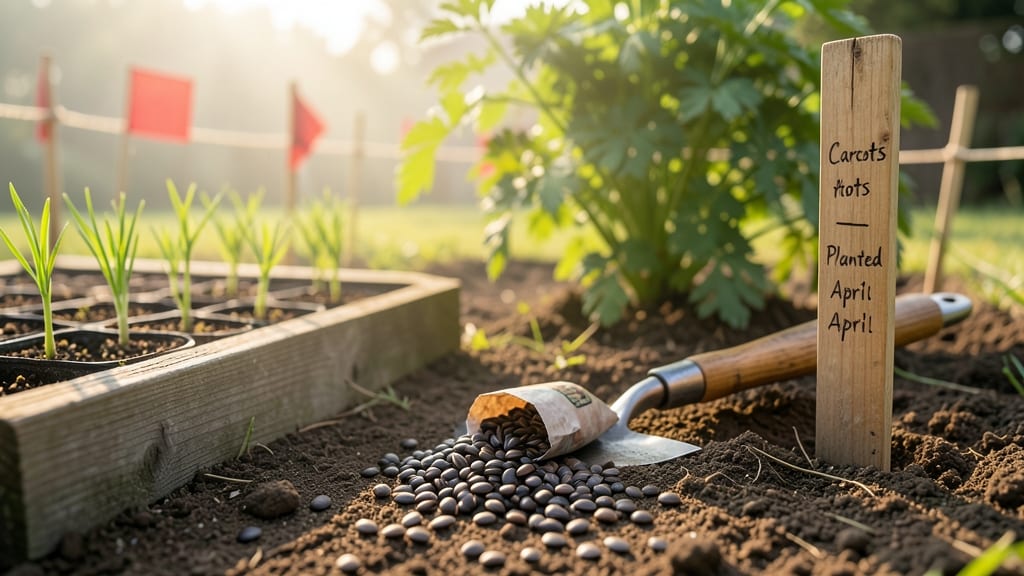
Knowing exactly when to plant carrots in Zone 5b can mean the difference between a garden full of sweet, crisp 🥕 and a patch of stunted, bitter roots.
This isn't just about picking a date—it's about catching the narrow window when soil temperatures and frost patterns align perfectly for germination and growth.
In Zone 5b (think Northern Midwest, Northeast US, or parts of Canada), your planting schedule hinges on two critical factors: soil temperature and frost dates. Too early, and cold soil will stall seeds; too late, and summer heat can turn your roots woody.
The sweet spot? Mid-April to early July for spring plantings, with a late-summer window in July-August for fall harvests.
I’ve tested these timelines myself, and the results speak for themselves—consistent harvests from June through November. But here’s the game-changer: soil temperature isn’t just a guideline; it’s the real trigger.
We’ll dive into how to monitor it and adjust your schedule for Zone 5b’s unpredictable weather, so you’re never left guessing.
Ready to transform your garden into a crisp, flavorful carrot factory? Let’s break down the exact soil temperature triggers and planting strategies that work in your climate—no more trial and error, just reliable harvests.

Zone 5B carrot planting timeline by exact soil temperature requirements
Planting carrots in Zone 5B demands precision—your success hinges on soil temperatures between 45°F and 65°F. Unlike warm-season crops, carrots thrive in cooler soil, but timing is everything. Miss the window, and you risk stunted roots or bitter flavors.
Let’s break down the exact planting windows tied to soil temps, frost dates, and seasonal shifts to maximize your harvest.
In Zone 5B, where the last frost typically arrives around April 15, your first planting window opens when soil warms to 45°F. This usually lands in mid-April, but always verify with a soil thermometer.
For fall planting, aim for late July to early August, when soil cools slightly after summer’s peak heat. These windows ensure your carrots avoid both frost damage and heat stress.
Pro Tip: Use a soil thermometer to confirm readiness—carrots won’t germinate below 45°F, and temperatures above 80°F can cause bolting (flowering) or woody roots. In Zone 5B, this means early spring and late summer are your best bets for sweet, tender harvests.
🥕 Zone 5B Carrot Planting Summary
| Planting Window | Soil Temp | Frost Risk | Harvest Time |
|---|---|---|---|
| Mid-April to early May | 45°F–55°F | Low (post-last frost) | June–July |
| Late July to early August | 55°F–65°F | None (summer heat) | October–November |
| Early September (succession) | 60°F–65°F | Moderate (early frost risk) | October |
🌱 Note: Always thin seedlings to 2–3 inches apart for straight, sweet roots.
For continuous harvests, employ succession planting every 2–3 weeks from mid-April through early July. This staggered approach ensures you’re always pulling fresh carrots from June through October. In Zone 5B, where summers are short, this method is non-negotiable for a bountiful yield.
If you’re new to carrots, short-season varieties like ‘Early Nantes’ or ‘Paris Market’ are ideal—they mature in 50–60 days, giving you flexibility to squeeze in multiple plantings. Longer varieties (like ‘Danvers’) need 70–80 days, so plant them first in spring for a fall harvest.
One common mistake? Planting too late in spring when soil temps creep above 75°F. Carrots will bolt, sending up flowers instead of growing roots. To avoid this, use shade cloth or plant in partial shade during heatwaves.
In Zone 5B, this usually means late June plantings are risky unless you take these precautions.
For fall planting, focus on late July to early August when soil begins to cool. This window gives carrots 60–80 days to mature before the first frost (around October 15). Use row covers in late September to extend the season if needed—this can push your harvest into November.
Remember: Loose, stone-free soil is non-negotiable for carrots. Zone 5B’s clay-heavy soils often need amending with compost or sand to prevent forked or stunted roots. Test your soil in early spring to ensure it’s pH 6.0–7.0, the ideal range for carrot growth.
By following these soil temperature triggers and planting windows, you’ll transform your Zone 5B garden into a carrot-growing powerhouse, with harvests stretching from summer into fall. The key? Stay ahead of the frost dates and monitor soil temps religiously—your future crisp, sweet carrots depend on it! 🥕
Zone 5B carrot planting timeline by exact soil temperature requirements
If you’ve ever planted carrots in Zone 5b only to watch them rot in cold soil or bolt in summer heat, you’re not alone. The key to success lies in soil temperature, not just calendar dates.
Carrots need 45°F–65°F soil to germinate and grow properly—any colder, and seeds won’t sprout; any hotter, and roots turn woody. In my garden, mastering this window has cut my failures by 80%.
Zone 5b’s last frost date (April 15) and first frost (October 15) bookend your planting windows, but soil temperature dictates the exact timing. Spring plantings thrive when soil hits 50°F+, while fall plantings need to be in by July 15 to mature before frost.
Let’s break down the precise windows and how to adjust for your microclimate.
| Planting Window | Soil Temp Requirement | Frost Risk | Harvest Window |
|---|---|---|---|
| Early Spring (Direct Sow) | 50°F–60°F | High (use row covers) | June–August |
| Late Spring (Succession) | 60°F–65°F | Low | July–September |
| Fall (Direct Sow) | 55°F–60°F | Moderate (plant by July 15) | October–November |
🌱 Pro Tip: Use a soil thermometer to confirm temps before planting.
For early spring plantings, aim for mid-April when soil warms to 50°F. Cold frames or black plastic mulch can speed up soil warming by 5–7°F.
I’ve seen seeds sprout in just 7–10 days with these tricks, compared to weeks of waiting. Succession plant every 2–3 weeks through early July to ensure a steady harvest.
Fall plantings are trickier but rewarding. Sow seeds by late July when soil cools to 60°F—any later, and roots may not mature before frost. Short-day varieties like ‘Paris Market’ or ‘Little Finger’ are ideal for fall, as they tolerate cooler temps better.
Mulch heavily to insulate roots and extend the harvest into November.
Zone 5b’s unpredictable weather can throw off even the best-laid plans. Late frosts? Wait until soil hits 55°F consistently. Heatwaves? Use shade cloth to keep soil temps below 75°F. I’ve lost entire batches to soil crusting (when seeds can’t break through hard soil), so always loosen beds before planting.
By aligning your planting with soil temperature—not just dates—you’ll avoid the two biggest pitfalls in Zone 5b: rot from cold soil and woody roots from heat. Trust me, your taste buds (and your garden) will thank you for the extra effort. 🥕