
Plants
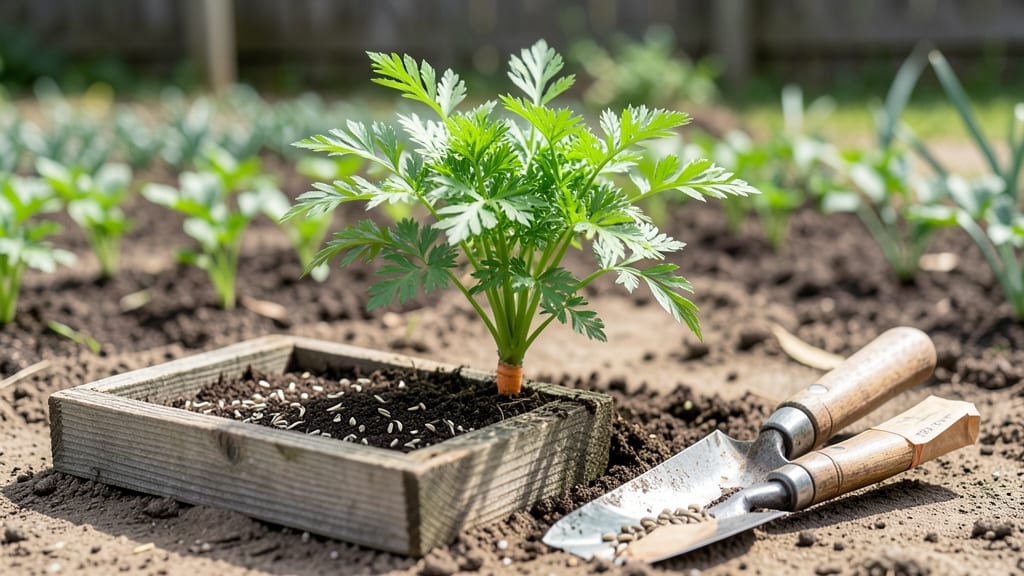
Timing is everything when it comes to growing crisp, sweet carrots in Zone 6—plant them too early, and frost will turn your crop to mush; too late, and you’ll end up with bitter, woody roots instead of the tender harvest you crave. The secret to success lies in knowing exactly when can you plant carrots in Zone 6 to align with your last frost date and soil conditions.
For most gardeners in Zone 6a-6b, the ideal window opens 2-4 weeks before your average last frost date (typically mid-April), but late summer plantings also work if you’re aiming for a fall harvest.
Whether you’re a first-time grower or a seasoned pro, getting this timing right means the difference between a bountiful garden and a disappointing one.
I’ll walk you through the exact steps to plan your 🥕 carrot schedule, including how to adjust for early or late varieties, when to start succession planting, and what to watch out for—like rocky soil or bolting—that can sabotage your crop.
By the end, you’ll have a foolproof plan to grow carrots that are crisp, flavorful, and ready to harvest at the perfect moment.
Ready to dig in? Let’s break down the best planting windows, soil prep tips, and pro tricks to avoid common mistakes that even experienced gardeners make. Your future harvest is just a few weeks away!

Best planting windows for carrots in Zone 6 (with exact weeks before last frost)
Zone 6 gardeners have two prime windows to grow crisp, sweet carrots: early spring and late summer. The key is planting 2-4 weeks before your last frost date (typically April 15 in most of Zone 6).
Carrots thrive in cool soil (50-65°F) and struggle when temperatures exceed 80°F, so timing is everything.
For spring planting, aim to sow seeds 4-6 weeks before your last frost date. This gives them enough time to mature before summer heat sets in. In Zone 6, that means early March to mid-April. If you miss this window, don’t worry—fall planting is equally productive.
Fall planting should happen 8-10 weeks before your first frost (around September 1-15 in Zone 6). This ensures carrots mature before winter chills arrive. Succession planting between these windows can stretch your harvest from June through October.
Here’s the exact schedule tailored for Zone 6:
Carrots need consistent moisture to grow straight and sweet. Start watering deeply 1 inch per week once seeds sprout, and maintain this until harvest. Morning watering prevents fungal diseases and keeps roots crisp.
If your soil is rocky or compacted, carrots will fork or split. Loosen the soil to 12 inches deep before planting and mix in compost to improve drainage. Raise beds work wonders for heavy clay soils common in Zone 6.
For baby carrots, harvest in 50-60 days by pulling the thinnest roots. Full-size carrots take 70-85 days, so plan accordingly. Thin seedlings to 2-3 inches apart when they’re 2 inches tall to avoid competition.
Pro tip: Use a planting marker to track sowing dates. This helps you remember which batch to harvest first and when to replant for a continuous supply. Row covers can extend your spring window by 2-3 weeks if frost threatens.
Best planting windows for carrots in Zone 6 (with exact weeks before last frost)
In Zone 6, your carrot planting schedule hinges on two critical windows: early spring (for summer harvests) and late summer (for fall harvests).
For most of Zone 6, the average last frost date falls around April 15, but your exact date may vary by 1-2 weeks depending on microclimates. To maximize success, aim to plant your 🥕 seeds 2-4 weeks before this date—typically between March 20 and April 5.
Carrots thrive when soil temperatures reach 50-60°F, which usually happens by early April in Zone 6. If you plant too early in cold soil, seeds may rot or take forever to germinate. Use a soil thermometer to confirm readiness—this small tool is a game-changer for precision planting.
For a fall harvest, your second planting window opens around July 15-25, giving carrots enough time to mature before first frost (October 15).
🌱 Carrot Planting Timeline for Zone 6
| Planting Window | Weeks Before Last Frost | Soil Temp Requirement | Harvest Timeframe |
|---|---|---|---|
| Early Spring | 2-4 weeks | 50-60°F | Late June - August |
| Late Summer | 10-12 weeks before first frost | 55-70°F | September - October |
Pro Tip: Use short-day varieties like 'Paris Market' for fall plantings—they mature faster in cooler temps.
Choosing the right carrot varieties can also extend your harvest window. Early maturing varieties like 'Early Nantes' (55-60 days) are perfect for spring plantings, while longer-season types such as 'Danvers Half Long' (70-80 days) work better for late summer sowings.
If you're unsure about your frost dates, check your local USDA Plant Hardiness Zone Map or ask at your county extension office—they often provide hyper-local frost data.
One common mistake gardeners make is planting too late in spring and ending up with bolting carrots (when they flower prematurely). To avoid this, stick to the 2-4 week window before last frost and consider using row covers to protect seedlings from unexpected cold snaps.
For fall plantings, prioritize shorter-day varieties that won’t bolt as temperatures drop.
Don’t forget to prep your soil 2-3 weeks before planting—carrots need loose, stone-free soil to grow straight. Work in compost or aged manure to improve texture, and avoid fresh manure, which can cause forking.
Once your seeds are in the ground, keep the soil consistently moist (but not soggy) to encourage even germination and root development.
With these exact planting windows and soil prep tips, you’ll be well on your way to growing crisp, sweet carrots all season long—no more guesswork, just homegrown success! 🌱