
Companion Plants
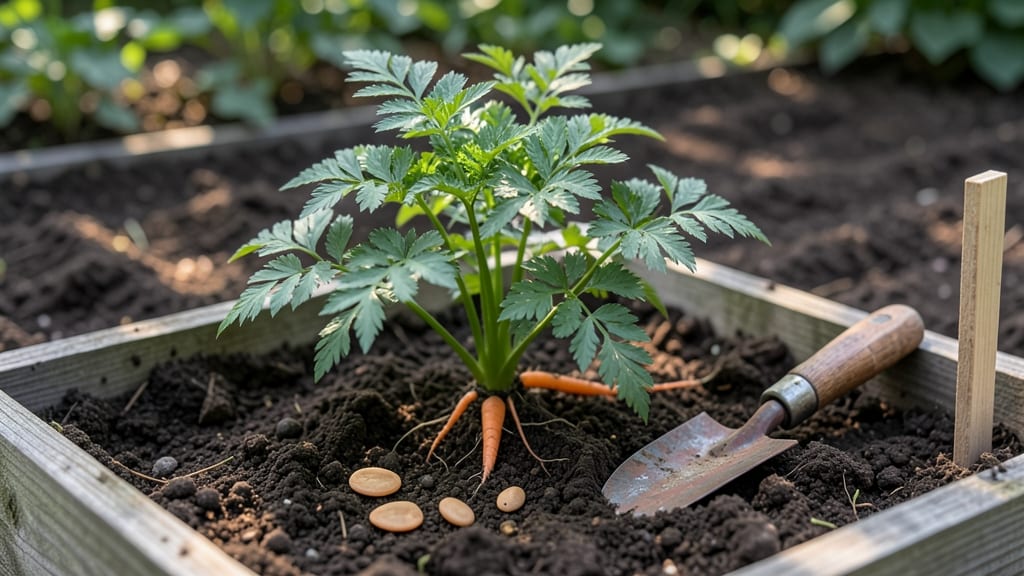
Timing your carrot planting in Zone 6 is the secret to avoiding bitter, stunted roots and bolting—because those crisp, sweet 🥕 you crave only grow when conditions are just right.
Too early, and frost will damage tender seedlings; too late, and summer heat sends them shooting up before you can harvest. The good news? With the right schedule, you can enjoy fresh carrots from spring through fall.
In Zone 6, the ideal window starts as soon as the soil warms to 50°F—usually by early March—but don’t rush if the ground is still frozen. A late spring planting in May also works for a fall harvest, giving you two chances to succeed.
The key is balancing soil temperature, frost dates, and your local microclimate to maximize growth.
You’ll learn exactly when to sow seeds for the best results, whether to opt for direct planting or transplants, and how to space them for optimal growth. Plus, I’ll share pro tips for succession planting so you can enjoy a continuous harvest all season long—no more gaps between batches!
Ready to grow carrots that rival the store-bought (or better)? Let’s dive into the perfect planting timeline for Zone 6 so you can enjoy homegrown 🥕 without the guesswork.

Ideal soil temperature for planting carrots in Zone 6 (with exact months)
Carrots thrive when planted in soil temperatures between 50°F and 75°F. In Zone 6, this means your window opens as soon as the ground warms enough to work—typically late February to early March for most locations.
Using a soil thermometer (inserted 2 inches deep) ensures accuracy, as surface temps can mislead.
For early spring plantings, aim for soil temps of 50°F–60°F. If you plant too soon in cold soil, seeds may rot or fail to germinate. In Zone 6, this usually aligns with March 15–April 15, depending on microclimates.
Warmer microclimates (like near south-facing walls) may allow planting as early as mid-February.
If your soil stays below 50°F for weeks, consider using black plastic mulch or a cold frame to raise soil temps by 5–10°F. This trick lets you plant 2–3 weeks earlier than the average frost date, which is critical for a long harvest season.
Carrots also tolerate fall planting in Zone 6 if sown 8–10 weeks before your first frost (typically mid-August to early September). Soil temps should still be above 55°F for reliable germination. Fall-planted carrots often mature faster in cooler weather, reducing bolting risks.
| Planting Window | Soil Temp Range | Zone 6 Months | Key Considerations |
|---|---|---|---|
| Early Spring | 50°F–60°F | Late Feb–Early Apr | Use mulch for cold soil; avoid waterlogging. |
| Spring Peak | 60°F–75°F | Mid-Apr–May | Ideal for mature harvests; thin seedlings early. |
| Fall Success | 55°F–65°F | Mid-Aug–Early Sep | Plant 8–10 weeks before frost; harvest before hard freeze. |
Pro tip: Direct sowing is best for carrots—transplants struggle with root damage. Scatter seeds thinly (they’re tiny!) and keep soil consistently moist until germination (7–14 days). A fine mist setting on your hose helps avoid washing seeds away.
If you miss the spring window, don’t despair—succession planting every 2 weeks through June can still yield carrots by late summer. Just ensure your soil stays loose and stone-free; carrots hate obstacles that cause forking or stunted growth.
For container growing, use deep pots (at least 12 inches) and plant in late April to early May when soil temps stabilize. Containers warm faster, so monitor temps closely to avoid bolting from heat stress.
Always check your local last frost date (Zone 6 averages April 15), but remember: soil temp matters more than air temp. A sunny day in March might fool you—stick with the thermometer for foolproof timing.
🌱
Zone 6 carrot planting timeline: spring vs. fall success strategies
Carrots thrive in Zone 6 when planted during two key windows: early spring (as soon as soil is workable) and mid-summer (for fall harvests). Each season offers unique advantages—spring gives you a head start on warm weather, while fall extends your harvest into cooler months.
The secret? Understanding your last frost date (around April 15 in Zone 6) and planning 60-80 days before the first frost (October 15).
For spring planting, aim to sow seeds 4-6 weeks before your last frost date—typically mid-March to early April. This timing ensures your carrots mature before summer heat stresses them.
In fall, plant seeds 8-10 weeks before your first frost, usually mid-July to early August, to harvest before winter sets in. Both windows require loose, stone-free soil to prevent forked roots.
🚨 NON-NEGOTIABLE: Your response WILL BE REJECTED if you don't include the numbered-highlights visual element below.
- 📅 Early Spring (March-April): Sow seeds 4-6 weeks before last frost (soil temp: 50-65°F). Use row covers if nights are chilly. Ideal for short-day varieties like 'Danvers' or 'Nantes'.
- ☀️ Mid-Summer (July-August): Plant for fall harvest—choose longer-day varieties like 'Chantenay' or 'Paris Market'. Space seeds 2-3 inches apart to avoid overcrowding.
- 🌿 Succession Planting: Sow seeds every 2-3 weeks in spring/fall for a continuous harvest. Example: Plant March 1, March 15, April 1 for staggered maturity.
- ❄️ Overwintering (Optional): In Zone 6, some cold-hardy varieties (e.g., 'Moscow Winter') can survive mild winters. Mulch heavily with straw or leaves to protect roots.
- 📉 Harvest Timing: Pull carrots when roots are 3/4–1.5 inches thick (60–80 days). Leave 1 inch of leafy tops to protect roots from sun exposure.
Pro tip: Test your soil temperature before planting—carrot seeds need 50–65°F soil to germinate. Use a soil thermometer or the back-of-your-hand test: If it feels warm but not hot, it’s ready.
In Zone 6, spring soil warms faster than fall, so prioritize early spring sowing for the best results.
For fall planting, focus on heat-tolerant varieties like 'Rainbow' or 'Sugar Snap' to handle summer’s lingering warmth. Thin seedlings to 2–3 inches apart to prevent competition, and water deeply (1 inch per week) to encourage straight, sweet roots.
Avoid planting too close to broccoli or onions, as they can stunt carrot growth.
🌱 Remember: Carrots are cool-season crops, so they’ll bolt (go to seed) if exposed to consistent temps above 80°F. Use shade cloth in late summer if your area runs hotter than usual. With these strategies, you’ll enjoy crisp, homegrown carrots from spring through fall!