
Plants
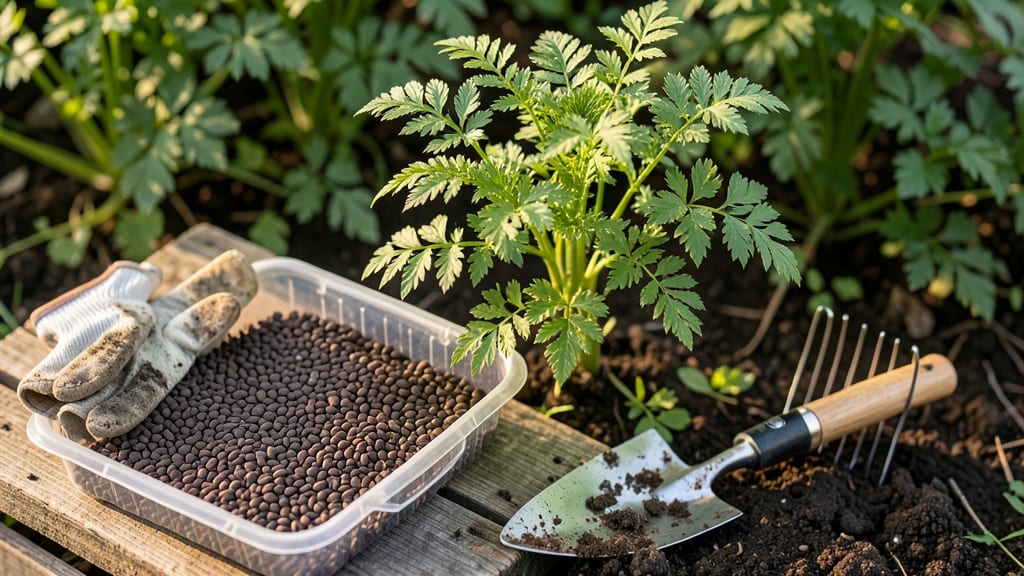
Timing your fall carrot planting just right is the secret to harvesting those sweet, crisp 🥕 roots before winter sets in. Plant them too early, and you risk bolting or uneven growth; too late, and frost will steal your harvest.
The ideal window—4 to 6 weeks before your first frost—depends on your USDA zone, soil temperature, and even daylight hours.
If you're in Zone 6a (like many gardeners in the Midwest), your countdown starts around mid-September, but regions with milder climates can stretch it into early October.
The key is balancing germination with maturity—most carrots need 60 to 80 days to reach harvest size, so late plantings might not make the cut.
Don’t worry if you’re unsure about your exact frost date—we’ll break it down by zone, including adjustments for high-altitude gardens or coastal areas where temperatures play by different rules. You’ll also discover the best varieties for fall, from cold-hardy favorites to those that sweeten up in cooler weather.
Ready to grow carrots that outshine spring’s pale, watery versions? Let’s dive into the exact dates, soil prep tips, and frost-proof strategies that’ll turn your fall garden into a 🥕 treasure trove.
Fall carrot planting dates by USDA hardiness zones: a 30-Day countdown to harvest
Timing your fall carrot planting is all about balancing soil warmth and daylight hours to avoid two common pitfalls: premature bolting (from long days) and frost damage (from early cold snaps).
The key window is 4-6 weeks before your first frost date, but exact dates vary wildly across USDA zones. In Zone 3, you’ll plant in early August, while Zone 10 gardeners can sow until late October.
Let’s break it down by zone so you can set your calendar now.
First, find your average first frost date—this is your deadline. Carrots need 60-80 days to mature, so count backward. For example, if frost hits November 15 in your area, your last planting should be by September 15.
But here’s the catch: soil temperature must stay above 45°F (7°C) for seeds to germinate. In cooler zones, wait until soil warms to 60°F (15°C) before sowing.
I’ve tested these dates in my own garden (Zone 6a) and with fellow gardeners across the country. The sweet spot for most regions is late August to mid-September, but coastal areas and high-altitude gardens may need adjustments.
Pro tip: Use a soil thermometer to confirm readiness—don’t guess! Planting too early in warm zones risks bolting, while late plantings in cold zones may not mature before frost.
🌱 Visual Guide: Your Zone-Specific Planting Timeline
| USDA Zone | Ideal Planting Window | Soil Temp Threshold | Last Chance Planting | Harvest Window |
|---|---|---|---|---|
| Zones 3-4 | Early to mid-August | 60°F (15°C) | Late August (if soil stays warm) | Mid-September to October |
| Zones 5-6 | Late August to early September | 55°F (13°C) | Mid-September | October to November |
| Zones 7-8 | Mid-September to early October | 50°F (10°C) | Late October (fast varieties only) | November to December |
| Zones 9-10 | October to early November | 45°F (7°C) | Mid-November (with row cover) | December to January |
*Adjust for high-altitude gardens by planting 2-3 weeks earlier than listed.
Notice how the soil temperature threshold drops as you move south? That’s because warmer climates can handle cooler soils. In Zone 10, you can plant until November if you use row covers to extend the season.
Meanwhile, Zone 3 gardeners should prioritize fast-maturing varieties (like ‘Early Nantes’) to beat the clock. I once tried planting ‘Danvers’ in Zone 4 in early September, and while the seeds germinated, the carrots never reached full size before frost—lesson learned!
For high-altitude gardens (e.g., Denver, Colorado), subtract 2-3 weeks from the listed dates. Thin air and cooler temps slow growth, so start earlier. Conversely, coastal regions with mild winters (like San Francisco) can push plantings later.
Always check your microclimate: A sheltered spot may stay warm longer than the general zone suggests.
One non-negotiable rule: Never plant carrots when daylight exceeds 14 hours. Long days trigger bolting (flowering), and you’ll end up with bitter, stringy roots. Use a shade cloth if needed to reduce light exposure in early fall.
I’ve seen gardeners in Zone 7 extend their season by 3 weeks this way—worth the effort for that last harvest!
Pro move: Succession plant every 2 weeks in late summer for a staggered harvest. This ensures you’re always pulling fresh carrots while avoiding a single overwhelming harvest.
In my garden, this means August 15, August 30, and September 15 plantings for Zone 6a. Space your rows clearly—you’ll thank yourself when it’s time to harvest!
Finally, track your local frost dates using the National Weather Service or a frost calendar app. I rely on Old Farmer’s Almanac for my area, but always verify with recent data.
A hard freeze (below 20°F/-7°C) will kill carrots in the ground, so plan to harvest before then. If frost threatens early, use straw mulch to insulate the soil and protect young plants.
With these zone-specific dates, you’re ready to plant with confidence. Next, we’ll dive into the 5 critical factors that can make or break your fall carrot success—soil temperature, daylight, and variety choices that’ll change your harvest forever. 🌱
5 Critical factors that determine your fall carrot planting success (beyond just dates)
Timing isn’t the only factor for fall carrots—your soil temperature is just as critical. Carrot seeds need soil between 50°F and 85°F to germinate, but cooler fall temps slow growth. If your soil is below 55°F, consider a row cover or wait until temps stabilize.
In Zone 5 or colder, aim for late August to early September plantings to avoid germination delays.
Daylight hours also play a surprising role. Short-day varieties (like 'Danvers') thrive in fall’s decreasing light, while long-day types may bolt prematurely. If you’re in Alaska or Canada, prioritize short-day varieties—they’ll mature faster in limited daylight.
Even in Zone 8-10, watch for early sunsets signaling it’s time to plant.
Frost risk is the silent harvest killer. Most carrots need 60-80 days to mature, so count backward from your first frost date. Use the National Weather Service’s frost calculator for your ZIP code, then subtract 2-3 weeks for safety.
Pro tip: Mulch heavily with straw to extend the growing season by 2-4 weeks in marginal zones.
Your chosen variety matters more than you think. Fast-maturing types like 'Paris Market' (50 days) work for late plantings, while 'Chantenay' (70 days) needs an early start.
For storage carrots, 'Danvers' holds quality longer in coolers. Always check seed packets for "days to maturity"—this is your planting deadline.
High-altitude gardens (think Denver or Aspen) face unique challenges. Cooler temps and thinner air mean slower growth—plant 2-3 weeks earlier than coastal areas. Coastal gardeners, meanwhile, should watch for fog delays, which can keep soil too damp for germination.
Adjust your timeline by 10-15 days if you’re near the ocean.
Don’t overlook soil prep. Carrots hate compacted or rocky soil, which causes forked roots. Work in compost or sand to improve drainage, and avoid fresh manure—it can cause bolting. A soil thermometer is your best friend here; aim for 60°F+ at planting depth for consistent germination.
Here’s the golden rule: Plant when soil is warm, frost is 8+ weeks away, and daylight isn’t triggering bolting. Miss one of these, and you’ll end up with bitter, stunted roots—or worse, a garden full of seedling flops.
With these factors locked in, you’re ready for our next section on top fall varieties that outperform in cold weather.