
Plants
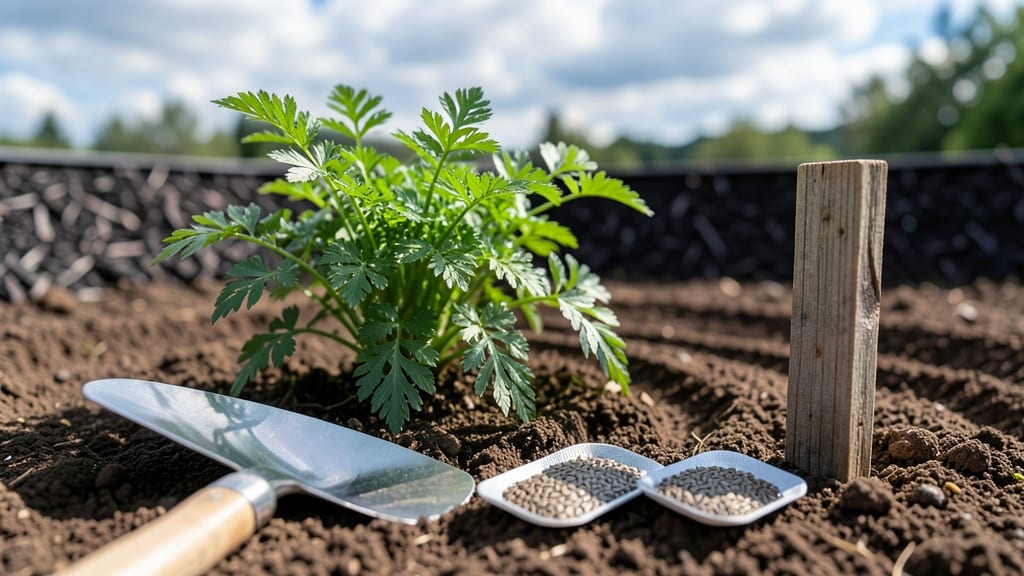
Timing your carrot seed planting in Michigan can feel like a guessing game—get it wrong, and you might end up with bolted greens or frost-nipped roots instead of the sweet, crisp 🥕 you crave.
The key lies in understanding your local frost dates, soil temperatures, and how to work with Michigan’s short growing season to maximize your harvest.
Most gardeners in zones 5b-6b know spring planting is the way to go, but did you know you can also squeeze in a fall crop?
The secret is all about planting at the right time—when soil temps hit that sweet spot of 50-85°F—and using cold-hardy varieties that can handle Michigan’s unpredictable weather. Let’s break down the exact windows you need to know.
Whether you’re a first-time gardener or a seasoned pro, getting this timing right means fewer wasted seeds and more homegrown carrots for your table.
I’ll walk you through the best months to plant, how to extend your growing season, and which varieties thrive in Michigan’s climate—so you can enjoy a steady supply from July through November.
Ready to stop second-guessing and start planting with confidence? Let’s dive into the foolproof schedule that’ll have your garden producing carrots all season long.
Michigan carrot planting calendar: frost dates, soil temps & best months
Timing your carrot seeds in Michigan hinges on two critical factors: soil temperature and frost dates. The Upper Peninsula (USDA Zone 5b) has a shorter growing season than the Lower Peninsula (Zone 6a/6b), so adjust your schedule accordingly.
Carrot seeds need soil temps of 50°F or warmer to germinate reliably—cold soil means slow or failed sprouting.
Michigan’s last frost date typically falls around April 15 in the Lower Peninsula and May 1 in the UP, while the first frost arrives around October 15.
With only 165 frost-free days, planning is key. I’ve broken down the ideal planting windows to maximize your harvest window from July through October.
Here’s how to align your planting with Michigan’s climate for successive harvests:
| Planting Window | Soil Temp Requirement | Frost Risk | Best Varieties |
|---|---|---|---|
| Early Spring (March 20 - April 15) | 50-55°F (use row covers) | High (last frost) | Danvers, Chantenay |
| Main Spring (April 15 - May 15) | 55-65°F (ideal range) | Low | Nantes, Purple Haze |
| Summer (June 1 - July 15) | 60-75°F (succession plant) | None | Paris Market, Short-n-Sweet |
| Late Summer (July 15 - Aug 15) | 65-80°F (fall harvest) | Low (early frost risk) | Danvers, Chantenay |
| Fall (Aug 15 - Sept 15) | 60-70°F (cover for frost) | High (first frost) | Nantes, Purple Haze |
For spring plantings, aim to sow seeds 4-6 weeks before your last frost date—this gives them time to establish roots before summer heat. In the Lower Peninsula, that’s typically mid-April, while the UP should wait until late April to early May.
I recommend planting every 2-3 weeks through June for a continuous harvest.
Summer plantings are your second chance for carrots. Start in early July to harvest before the first frost in October. Use shorter-day varieties like Paris Market (58 days to maturity) to beat the clock. Succession planting every 2 weeks ensures you’re always harvesting fresh carrots.
Don’t overlook fall plantings! Sow seeds in late July to mid-August for a harvest in September and October. Protect late plantings with row covers or straw mulch to extend the season. Varieties like Danvers tolerate light frosts, making them ideal for fall gardens.
Pro tip: Test your soil temperature with a soil thermometer before planting. Carrot seeds need consistent warmth—if temps dip below 50°F, germination slows dramatically. In cold springs, use black plastic mulch or cold frames to warm the soil faster.
Remember, Michigan’s short growing season demands flexibility. If your spring starts late, shift to summer or fall plantings instead of forcing early sowings. With the right timing, you can enjoy homegrown carrots for 6 months straight—from July through December!
Michigan carrot planting calendar: frost dates, soil temps & best months
Timing your carrot seed planting in Michigan hinges on two critical factors: last frost dates and soil temperature. The Upper Peninsula typically sees its last frost around May 10-15, while the Lower Peninsula warms up by April 15-30.
For best results, aim to plant when soil reaches 50°F—this usually aligns with mid-April in southern Michigan and late April in the north.
Carrots thrive in 60-85°F soil, so wait until the ground warms consistently above 50°F before sowing. Cold soil slows germination, leading to patchy or slow-growing seedlings. Use a soil thermometer to check—this small investment saves time and frustration later.
Here’s your Michigan carrot planting calendar broken down by region and season:
| Planting Window | Soil Temp | Frost Risk | Notes |
|---|---|---|---|
| Mid-April (Lower MI) | 50-55°F | High (use row covers) | Start with cold-hardy varieties like Danvers. |
| Late April (Upper MI) | 50-55°F | Moderate (wait for stability) | Soil may still be cold—warm with black plastic. |
| May (Both Regions) | 60-70°F | Low | Ideal for most varieties; succession plant every 2 weeks. |
| July-August | 65-75°F | None | Fall crop for late harvests; use shorter-day varieties. |
For a continuous harvest, practice succession planting every 2-3 weeks from April through July. This ensures you’re always pulling fresh carrots while avoiding overcrowded beds. In Michigan’s short growing season, aim for 3-4 plantings to maximize your yield before the first frost hits in mid-October.
Don’t overlook fall planting! Sow seeds in early August for a harvest in October. Choose fast-maturing varieties like Paris Market (58 days) to beat the frost. Mulch heavily to insulate roots and extend the season by 2-3 weeks.
Pro tip: Mark your calendar for Michigan’s average first frost (October 15 in most areas) and plan your last planting 8-10 weeks prior. This gives carrots enough time to mature before winter sets in.