
Plants
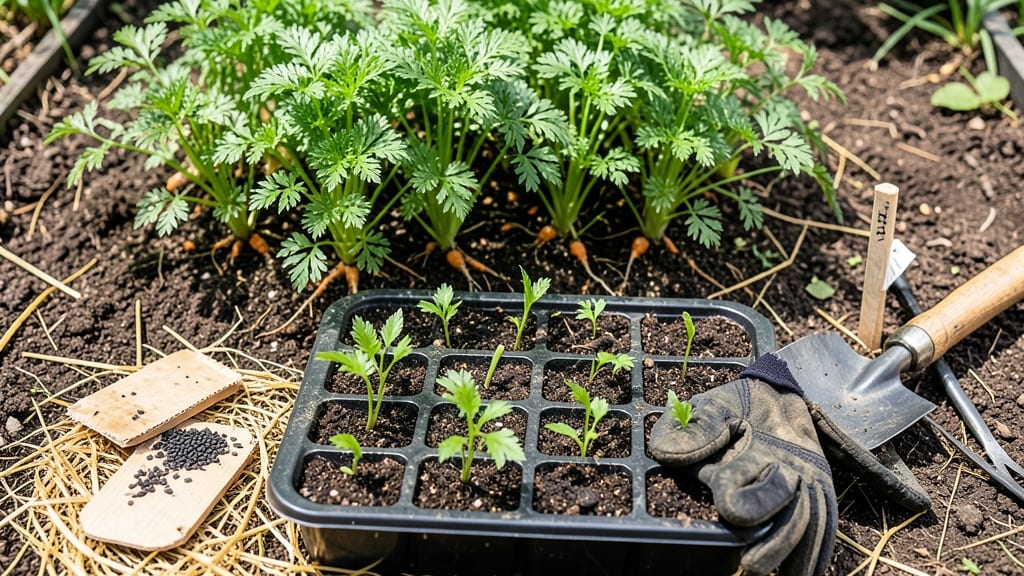
Timing your carrot planting in Seattle isn’t just about the calendar—it’s about outsmarting the unpredictable Pacific Northwest weather to grow sweet, crisp 🥕 roots that actually reach maturity.
Plant too early, and frost will turn your seedlings into sad, wilted memories; too late, and you’ll end up with bitter, bolted greens instead of the tender roots you crave.
Here’s the secret: Seattle’s USDA Zone 8a gives you two prime windows—spring (March to April) and fall (August to September)—but getting the details right makes all the difference.
Whether you’re a first-time gardener or a seasoned green thumb, knowing when to pop those seeds into the soil (and how to protect them from late frosts) is the key to a bountiful harvest by June or October.
I’ve tested the best strategies for Seattle’s climate, from staggered plantings to soil prep tricks that prevent forking. Let me walk you through the exact frost-free timeline, variety picks, and pro tips to turn your garden into a carrot goldmine—no guesswork required.
Ready to dig in? By the end, you’ll know not just when to plant, but how to set yourself up for success—so you can enjoy homegrown carrots straight from your Seattle garden all season long.
Seattle’s carrot planting calendar: exact frost dates by Zone for maximum yield
Seattle’s USDA Zone 8a climate creates a narrow window for growing crisp, sweet carrots. The average last frost date is March 15, while the first frost typically arrives October 15, giving you just 165 frost-free days.
To maximize your harvest, focus on spring (March–April) and fall (August–September) plantings, as summer heat can trigger bolting—when carrots flower prematurely and become woody.
Soil temperature is critical—carrot seeds need at least 50°F soil warmth to germinate. In Seattle, this usually aligns with late March to early April for spring plantings. For fall crops, aim for late August to early September to ensure roots mature before winter sets in.
Microclimates like urban heat islands (e.g., downtown) or coastal windy areas (e.g., West Seattle) can shift these timelines by 1–2 weeks, so adjust accordingly.
Here’s your Seattle-specific carrot planting timeline, including soil prep, frost dates, and ideal harvest windows:
| Stage | Action | Notes for Seattle |
|---|---|---|
| Soil Prep | Test pH (6.0–7.0), amend with compost | Seattle’s clay soil? Add sand for drainage. |
| Spring Planting | Sow seeds March 15–April 15 | Use row covers if late frost threatens. |
| Summer Care | Water deeply, mulch to retain moisture | Avoid fertilizing—bolting risk increases. |
| Fall Planting | Sow seeds August 15–September 15 | Choose cold-hardy varieties like ‘Chantenay.’ |
| Harvest Window | June–July (spring) or October–December (fall) | Fall carrots store well in cool, dark conditions. |
For urban gardeners in Seattle, consider container growing if your yard has heavy clay. Containers warm up faster in spring and can be moved to sunnier spots (like patios or balconies) to meet the 6–8 hours of sunlight carrots need daily.
Just ensure pots have drainage holes to prevent root rot—a common issue in Seattle’s wet climate.
Pro tip: Use a seedling heat mat ($15–$25) to jumpstart germination if your soil stays cold past April 1. This is especially helpful in Zone 7b areas (e.g., Snohomish County), where frosts linger longer.
Pair it with a clear plastic dome to trap warmth until seeds sprout in 7–14 days.
If you’re planting for winter storage, prioritize slow-maturing varieties like ‘Danvers’ or ‘Nantes,’ which take 70–90 days to harvest. These hold up better in cold storage (32–40°F) for 2–3 months.
For a summer harvest, opt for faster varieties like ‘Paris Market’ (50–60 days) to avoid bolting.
Monitor Seattle’s frost forecasts via the National Weather Service or local apps like PlantNet. A sudden cold snap in late May can still damage tender seedlings, so keep frost clothstraw or wood chips to retain moisture and regulate temperature.
Remember: Carrots hate disturbance. Once seeds are sown, avoid tilling the soil or weeding too aggressively near the roots. A light hand-hoeing around the foliage is safer. For continuous harvests, stagger plantings every 2–3 weeks from March to July, ensuring fresh carrots all season long.
🌱
How to stagger carrot plantings in Seattle for continuous harvests
Staggering your carrot plantings is the secret weapon for Seattle gardeners—it turns a single harvest into a month-long feast of fresh, homegrown 🥕. Since Seattle’s short growing season (about 165 frost-free days) limits your window, succession planting ensures you’re never without crisp roots.
The trick? Start in early March and keep sowing every 2–3 weeks until mid-July for fall harvests.
Why does this work? Carrots take 70–90 days to mature, so planting in batches guarantees a steady supply. For example, seeds sown in March will be ready by June, while July plantings mature just before the first frost in October.
This method also reduces the risk of bolting (when carrots flower prematurely) by avoiding overcrowded beds.
Here’s my proven schedule for Seattle’s climate: Begin with your first batch in late March (after the last frost, usually around March 15), then repeat every 2 weeks until July 15.
Use a gardener’s calculator or mark your calendar for May 1, June 1, and July 1 as key dates. Each batch should be spaced 12–18 inches apart to prevent competition for nutrients.
Seattle Carrot Planting Timeline
- Late March: First planting after last frost (March 15). Use row covers if nights dip below 40°F.
- Early May: Second batch for June–July harvest. Thin seedlings to 2 inches apart to avoid forking.
- June 1: Third planting for fall harvest. Choose bolting-resistant varieties like ‘Nantes’ or ‘Paris Market.’
- July 15: Final batch for late September–October harvest. Protect with frost blankets if frost threatens.
Seattle’s cool summers and long days can trick carrots into bolting if they sense heat stress. To prevent this, avoid planting after mid-July—instead, focus on fall crops like kale or spinach that thrive in cooler weather.
If you must plant late, choose shade-tolerant varieties or use drip irrigation to keep soil evenly moist.
Don’t overlook soil preparation between plantings. Carrots deplete nutrients quickly, so amend beds with compost or aged manure after each harvest. I swear by a 50/50 mix of garden soil and compost to keep roots straight and sweet.
For urban gardeners with clay-heavy soil, mix in sand or perlite to improve drainage—this is non-negotiable for preventing forked roots.
Finally, protect your seedlings from Seattle’s unpredictable late frosts. Use floating row covers or cloches until soil warms to 50°F consistently. I’ve lost more than one batch to a surprise frost in April, so err on the side of caution.
With staggered plantings and a little foresight, you’ll enjoy homegrown carrots from June through October—no grocery store in sight!