
Plants
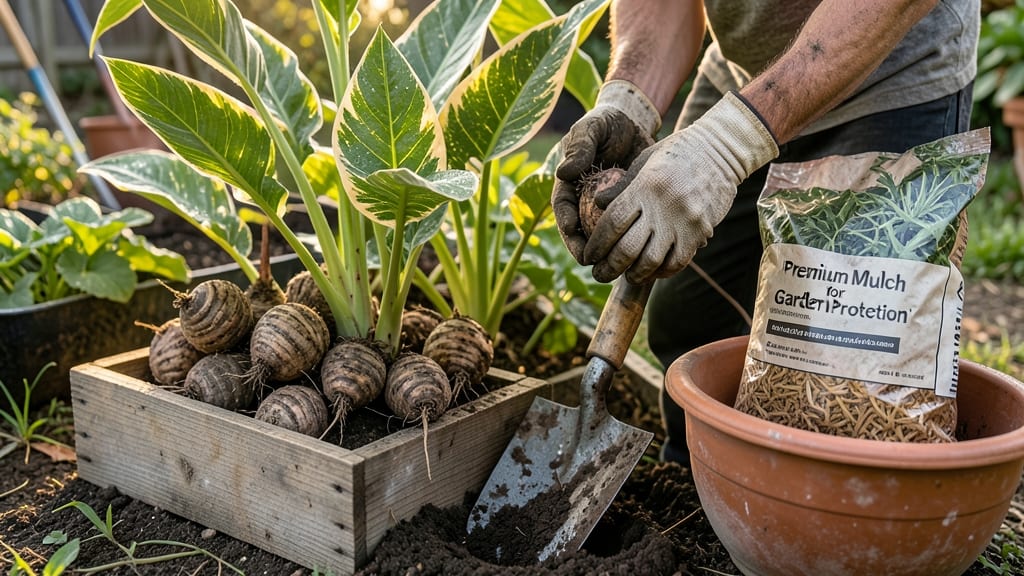
Timing the perfect moment to plant canna bulbs in Wisconsin can make or break your summer garden—especially when those bold 🌸 blooms are on the line. One wrong move, and you’ll either risk rot from early planting or miss the show entirely if you wait too long.
Wisconsin’s unpredictable frost dates (often lingering until mid-May) mean gardeners here need a precision approach. Plant too soon, and your canna rhizomes will sit in cold, soggy soil; too late, and you’ll sacrifice weeks of vibrant foliage and dramatic flowers.
The key? Waiting until soil temperatures hit 60°F—usually late May or early June—when the danger of frost has passed.
I’ll break down the exact zone-by-zone timeline for Wisconsin’s 4b-6a regions, plus pro tips to extend your canna’s growing season. Whether you’re a first-time gardener or a seasoned pro, these strategies will help you avoid common mistakes and keep your cannas thriving until the first frost.
Ready to transform your garden into a summer spectacle? Let’s dive into the frost-free planting schedule that’ll give your cannas the best shot at success.
Wisconsin canna planting timeline by hardiness zone (5-6) and last frost dates
Wisconsin’s USDA zones 5 and 6 create a tight window for planting canna bulbs, since these tropical plants despise frost. The key is waiting until soil temperatures hit 60°F+—typically 2-4 weeks after your last frost date.
Northern Wisconsin (zone 5) usually waits until late May, while southern regions (zone 6) can start as early as mid-May. Use a soil thermometer to confirm readiness.
Canna lilies need 165 frost-free days to mature, so planting too late risks stunted growth. In Wisconsin, this means mid-to-late May is ideal for most gardeners.
For container growers, you can push planting to early June—just move pots indoors before frost. Always check your local Almanac frost dates for precision.
Here’s how Wisconsin’s zones break down for canna planting:
If your spring is unpredictable, opt for container planting—it gives you flexibility to move cannas indoors before frost. For in-ground plantings, black plastic mulch can warm soil by 5–10°F, helping you plant earlier. Always harden off containers for 3–5 days before moving them outside to avoid shock.
Pro tip: Pre-sprout canna bulbs indoors in March if you’re eager to see blooms. Place them in pots with moist peat moss near a sunny window.
Once sprouts reach 2–3 inches, transplant them outside after your last frost. This head start gives cannas a 2-week growth advantage in Wisconsin’s short season.
Watch for false springs—those warm spells in April that fool you into planting early. Canna bulbs planted in cold soil will rot within days. A simple soil thermometer ($10 at garden centers) is your best friend. Wait until readings stay above 60°F for 3+ days before planting.
For extended blooms, choose early-maturing varieties like ‘Striped’ or ‘Pactolus’—they tolerate cooler Wisconsin summers better than tropical hybrids. Pair them with heat-loving companions like coleus or sweet potatoes to maximize your garden’s summer display.
Remember: Canna lilies are not frost-hardy. Even a light freeze (28°F) will kill foliage, but the rhizomes survive if buried 4–6 inches deep. In Wisconsin, dig them up before the first frost (usually early October) and store them in dry peat moss indoors.
🌱
How to extend Wisconsin’s growing season for canna lilies (without risking frost damage)
Wisconsin’s short growing season can cut canna lilies’ show short—but with the right tricks, you can coax bold summer blooms well into October. Since cannas need 120+ frost-free days, we’ll use mulching, containers, and season extenders to push their season safely.
Start by choosing heat-loving varieties like ‘Striped’ or ‘Purple Haze’ for extra resilience.
One of the easiest ways to extend your cannas’ season is by planting in containers. Pots let you move plants to garages or porches before the first frost. Use 12-inch-wide pots with drainage holes and fill with well-draining potting mix.
Place them in full sun until mid-September, then move them indoors near a south-facing window for extra light.
For container-grown cannas, move them indoors before October 15 in most of Wisconsin. Place them near a south-facing window or under grow lights for 12+ hours of light daily.
Reduce watering to every 10-14 days to mimic dormancy. If leaves yellow, it’s a sign to stop watering entirely until spring.
If an early frost threatens, cover cannas with burlap sacks or blankets and secure them with bricks or stakes. Avoid plastic, which traps moisture and causes rot. Check plants daily to ensure they’re not overheating during the day.
Even with these tricks, cannas won’t survive hard freezes. But by combining mulching, containers, and season extenders, you can enjoy vibrant blooms well past Labor Day—often until mid-October or later in southern Wisconsin. 🌸