
Planting
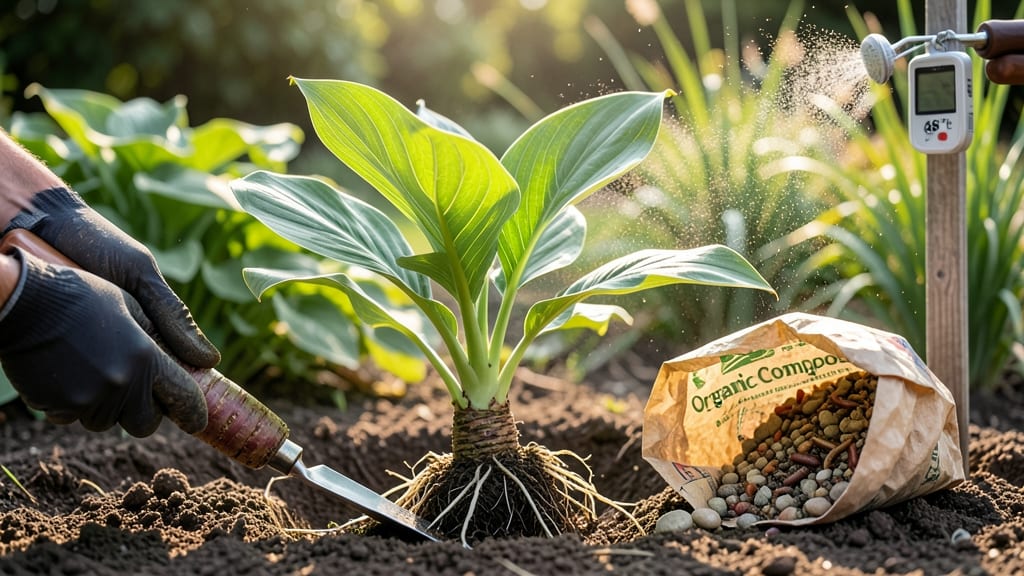
Timing is everything when you plant canna bulbs in spring—get it wrong, and your stunning tropical blooms 🌺 might never emerge. The difference between a thriving garden and a missed opportunity often comes down to understanding your local frost-free zone and soil conditions.
If you're in USDA Zone 6a or warmer, waiting until after the last frost (when soil hits 60°F) is key. But what about those unpredictable spring days? I’ll show you exactly how to check soil readiness and avoid common planting mistakes that waste time and effort.
You’ll also discover how to extend your canna’s bloom season, whether you’re in a cool climate or just eager for more vibrant flowers. From container growing hacks to mulching techniques, these tips ensure your cannas stay lush and colorful from summer through early fall.
Ready to transform your garden? Let’s dive into the frost-free zone guide that’ll have your cannas thriving in no time—no guesswork required.
Best planting dates for canna bulbs by USDA hardiness Zones
Canna bulbs—those dramatic, tropical-looking rhizomes—love warmth but hate frost. The key to success? Planting them after your last frost date when soil temperatures consistently hit 60°F (15°C).
But since frost dates vary wildly across the U.S., I’ve broken down the best planting windows by USDA hardiness zone to help you time it perfectly.
In Zones 9-11 (like Florida or Southern California), you can plant cannas as early as February—they thrive in heat and rarely face frost risks. But in Zone 7 (think Kansas or Virginia), wait until mid-May when nighttime temps stay above 50°F (10°C).
Even a light frost can damage young shoots, so don’t rush!
Here’s the critical rule: Soil temperature matters more than calendar dates. A late spring with cold soil can stall growth, while an early warm spell might trick you into planting too soon.
Use a soil thermometer (just $10 at garden centers) to confirm readiness—60°F+ at 4 inches deep is your green light.
| USDA Zone | Last Frost Date (Avg.) | Best Planting Window | Soil Temp Threshold | Heat Tolerance Tip |
|---|---|---|---|---|
| Zone 7 | April 15 | Mid-May to early June | 60°F+ (15°C) | Use black plastic mulch to warm soil faster |
| Zone 8 | March 15 | Late April to May | 60°F+ (15°C) | Stagger plantings for extended blooms |
| Zone 9 | January 15 | February to March | 55°F+ (13°C) | Plant near reflective surfaces to boost heat |
| Zone 10-11 | None (tropical) | Year-round (best in spring) | 65°F+ (18°C) | Water deeply during dry spells |
Pro tip for northern gardeners (Zones 6-7): If you’re itching to plant early, try container gardening. Pots let you move cannas indoors or under cover if frost sneaks up. Just use well-draining containers (at least 12 inches deep) and place them in full sun once temperatures stabilize.
In southern climates (Zones 9-11), the real challenge is heat stress. Canna rhizomes can rot in soggy, hot soil. Amend your beds with coarse sand or perlite to improve drainage, and avoid planting during peak summer rains when fungal diseases lurk.
A 5-inch layer of mulch keeps roots cool and moist.
One mistake I see often? Planting cannas too deep. These rhizomes need 4-6 inches of coverage, but no more—otherwise, they’ll struggle to sprout. Think of them like potatoes: shallow enough to poke through soil easily but deep enough to anchor roots.
For Zone 8 gardeners, here’s my secret: Stagger your planting. Start with a few rhizomes in late April, then add more in early June. This extends your bloom time from June to October—because nothing beats cannas in late summer when most flowers are fading.
Remember, cannas are perennials in Zones 8-11 but often treated as annuals in colder zones. If you’re in Zone 7 or cooler, dig up rhizomes before frost (usually mid-October), trim the foliage, and store them in dry peat moss until next spring.
It’s like giving them a cozy winter nap!
Signs your climate is ready to plant canna bulbs safely
Planting canna bulbs too early can stunt their growth or even kill them if a late frost hits. But relying solely on frost dates isn’t enough—you also need to check soil temperature and nighttime warmth.
Canna rhizomes won’t sprout until the soil reaches a steady 60°F (15°C), and they thrive best when nighttime temps stay above 55°F (13°C) consistently.
If you’re in USDA Zone 7 or cooler, wait until mid-to-late spring when the ground has warmed. In warmer zones (8-11), you can plant as early as March or early April, but monitor for sudden cold snaps.
The key is balancing warm soil with stable temperatures—neither alone guarantees success.
Here’s how to test your soil’s readiness without fancy tools: Press your finger about 2 inches deep into the ground. If it feels warm (like a hot cup of tea) and dry at the surface but moist below, your cannas are ready.
For extra precision, use a soil thermometer—it’s a small investment that prevents wasted effort.
⚠️ Warning: Cold Soil = Stunted Growth
Planting in cool soil (below 60°F) delays sprouting by weeks and weakens root development. Canna rhizomes are tropical plants—they won’t tolerate chill, even if daytime temps are warm.
Signs you’re planting too soon: Yellowing leaves, slow growth, or no sprouts after 3 weeks. If this happens, wait another 2 weeks and try again.
Another critical sign? Observe your local flora. If dandelions and crabgrass are already sprouting vigorously, your cannas are likely ready too. These weeds are early-season indicators of warm soil—nature’s way of telling you it’s time to plant.
For container growers, move pots to a sunny outdoor spot during the day and bring them in at night if temps dip below 50°F (10°C). This acclimation trick helps cannas adjust gradually to outdoor conditions, reducing shock and improving survival rates.
Once you’ve confirmed warm soil and stable temps, plant your canna bulbs 4-6 inches deep and 12-18 inches apart. Water deeply right after planting to encourage root growth, and mulch with straw or shredded leaves to retain moisture and warmth.
With these signs in mind, you’ll avoid the #1 mistake gardeners make: planting too early and risking frost damage. Your cannas will reward you with bold, tropical blooms all summer long—no guesswork required! 🌺