
Plants
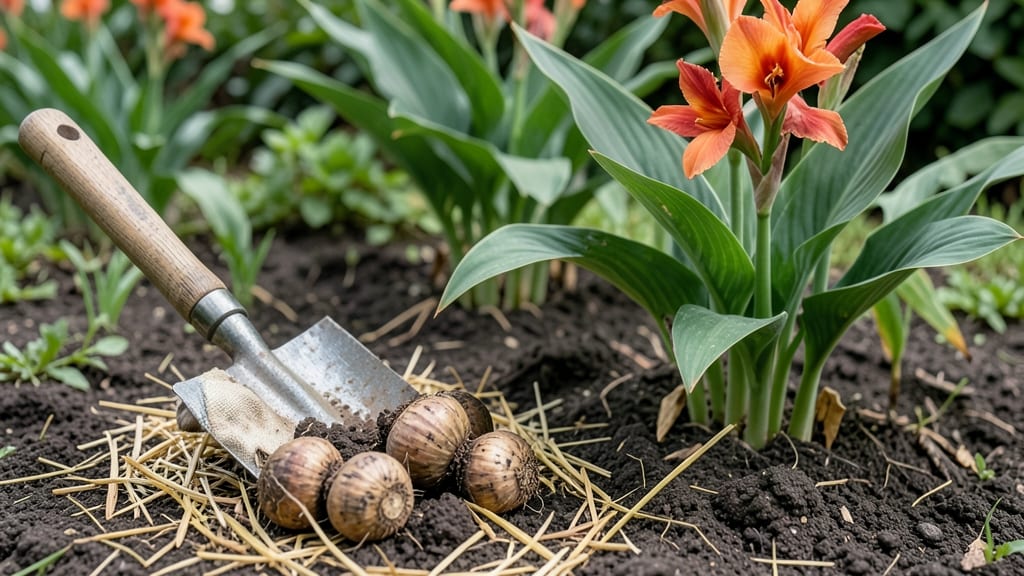
Timing when to plant canna bulbs in Illinois can make all the difference between vibrant summer blooms and a missed opportunity.
With its dramatic 🌺 foliage and bold flowers, cannas thrive when planted after the last frost—but Illinois' unpredictable climate means getting it wrong could leave you with wilted dreams instead of lush growth.
For gardeners in zones 5b-6b, the ideal window stretches from late April to early June, right after the average April 15 last-frost date. But don't wait too long—planting after early June risks stunted growth before the first frost hits in October.
The key is warm soil and consistent temperatures, which usually align with May for most Illinois regions.
Here’s the game-changer: cannas aren’t perennial in Illinois’ winters, so tubers must be dug up after frost and stored indoors. That means your planting window isn’t just about timing—it’s also about preparing for winter protection. I’ll show you exactly how to balance these factors for foolproof results.
Ready to transform your garden with 6-foot-tall tropical drama? Let’s dive into the step-by-step guide tailored for Illinois’ climate, including soil prep, spacing secrets, and how to avoid common mistakes that even experienced gardeners make.
Illinois canna planting timeline by USDA hardiness zones (5-7)
Timing is everything when planting canna bulbs in Illinois, where USDA zones 5-7 bring early springs and late frosts. Unlike tropical natives, cannas need warm soil (at least 60°F) and frost-free conditions to thrive.
Plant too early, and frost will kill tender shoots; too late, and you’ll miss peak summer blooms. Let’s break down the ideal windows by zone, including soil temperature thresholds and microclimate adjustments.
Most of Illinois falls within zones 5b-6b, with average last frost dates ranging from mid-April in southern Illinois to early May in northern areas. However, soil temperature matters more than air temperature—cannas won’t sprout until the ground reaches 60°F, often 2-3 weeks after the last frost.
Use a soil thermometer to confirm readiness, especially in zone 5, where cooler springs delay planting.
For zone 5 gardeners (northern Illinois), aim to plant canna bulbs between May 15 and June 1.
In zone 6 (central Illinois), you can start as early as April 25, but wait for soil warmth. Zone 7 (southern Illinois) offers the longest window: April 10 to May 10.
Always check your local Almanac frost dates—late-season freezes in May can still sneak up, especially in microclimates like river valleys or high elevations.
Here’s the critical timeline for Illinois canna planting, including soil prep and frost risk windows:
If you’re in zone 5 and eager to plant earlier, consider container gardening—pots warm up faster and can be moved indoors if frost threatens. For in-ground plantings, use black plastic mulch to raise soil temperatures by 5–10°F, accelerating sprouting.
This trick is especially useful in northern Illinois, where cool springs delay the season.
Canna bulbs are technically tender perennials in Illinois—they’ll die back to the ground each fall but won’t survive winter outdoors. Treat them as annuals or dig up tubers before the first frost (usually mid-October) and store them indoors.
If you forget, the tubers may rot, but in zone 7, some varieties tolerate light frosts if mulched heavily with straw or leaves.
Pro tip: Mark your canna planting dates on a garden calendar and set reminders for soil temperature checks. Use a meat thermometer (they’re cheap and accurate) to test depth—cannas need warmth at 4–6 inches deep.
If your soil stays below 60°F past June 1, wait until next year or opt for container growing.
For late bloomers, you can plant cannas as late as July 1 in containers, though they’ll produce fewer flowers. Just ensure they get full sun and consistent water to compensate for the shorter growing season.
In humid Illinois summers, prioritize airflow around foliage to prevent leaf spot disease, which thrives in stagnant moisture.
How to prepare canna bulbs for Illinois planting (soil, sun, and spacing)
Before you rush to plant your canna bulbs in Illinois, proper prep is non-negotiable. Canna lilies thrive in well-draining soil with rich organic matter, but Illinois’ heavy clay soil often needs amendments.
I’ve found that mixing in compost or aged manure (at least 2-3 inches) loosens the soil and improves drainage—critical for preventing root rot in our humid summers.
Test your soil’s pH too; cannas prefer a slightly acidic to neutral range (6.0-7.0)**. If your soil leans alkaline (common in Illinois), add peat moss or sulfur to adjust it. A quick soil test kit from your local garden center makes this easy—don’t skip it!
The right pH ensures your cannas absorb nutrients efficiently for those bold, tropical blooms you’re dreaming of.