
Plants
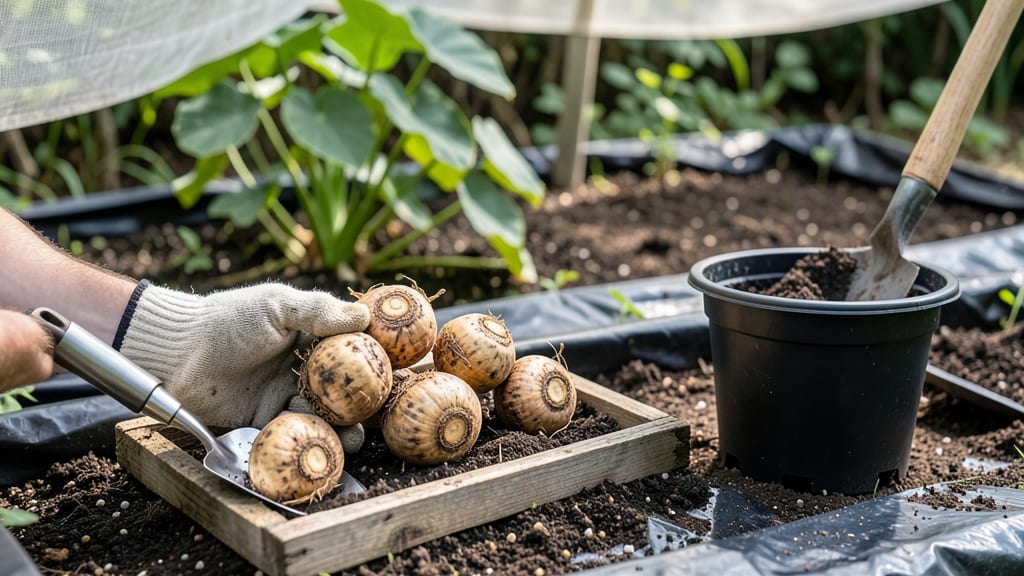
Timing your caladium bulb planting in Zone 8 can make or break your summer foliage display—get it right, and you’ll enjoy vibrant 🌿 leaves from early summer until frost. These heat-loving plants need patience, but rushing them too soon means struggling with weak growth or even lost tubers.
Unlike cool-season crops, caladiums thrive when soil temperatures hit 60°F and stay there, typically around mid-April to early May in most of Zone 8. Planting too early risks frost damage, while waiting too long can stress tubers before they establish roots.
This guide breaks down the exact window for planting in Zone 8, plus regional tweaks for areas like Southern California versus Georgia. You’ll also learn how to prep soil, space tubers correctly, and care for them through the heat.
Ready to transform your garden with bold foliage? Let’s dive into the science-backed timeline that guarantees lush, long-lasting caladiums all season.

Optimal planting dates for caladium bulbs in Zone 8: avoiding heat stress
Caladiums thrive in Zone 8's warm climate, but timing is everything—plant too early, and frost may damage tender tubers; too late, and your plants may struggle with heat stress before establishing roots. The sweet spot? After your last frost date when soil temperatures consistently reach 60°F or higher.
In most of Zone 8, this typically falls between mid-April and early May, but microclimates (like coastal areas) can shift this window by 2-3 weeks.
Zone 8 spans diverse regions—from humid Georgia to dry Southern California—so adjust your timeline based on local conditions. For example, Atlanta's last frost usually hits around March 15, while Los Angeles may not see frost at all.
Use your local frost date calculator as a starting point, then add 3-4 weeks to ensure soil warmth.
Here’s the critical rule: Never plant caladium tubers in cold soil. These tropical beauties refuse to sprout below 60°F, and soggy, chilly conditions invite rot.
Test soil temperature with a soil thermometer—if it’s cooler than 60°F, wait another week or two. Patience here prevents wasted tubers and ensures lush foliage.
| Zone 8 Region | Last Frost Date | Ideal Planting Window | Soil Temp Threshold |
|---|---|---|---|
| Atlanta, GA | Mid-March | Late April | 60°F+ |
| Austin, TX | Early March | Early April | 60°F+ |
| Los Angeles, CA | Never (Zone 10) | February-March (or year-round in containers) | 65°F+ |
| Charleston, SC | Late February | Mid-April | 60°F+ |
*Adjust for microclimates—valleys may need later planting than hillsides.
If you’re in a cooler pocket of Zone 8 (like higher elevations in North Carolina), consider a short chilling period for your tubers. Place them in a paper bag with moist peat moss in the fridge for 4-6 weeks before planting.
This mimics their natural dormancy and jumpstarts growth once soil warms. Skip this step in hotter sub-zones (8b/8a), where tubers can rot if over-chilled.
Pro tip: Container gardeners in Zone 8 have flexibility. You can plant caladium tubers in pots as early as February in a sunroom or greenhouse, then move them outdoors after last frost.
This extends your display season and protects tubers from unpredictable late frosts. Just ensure pots have drainage holes to prevent waterlogged roots.
Watch for heat waves after planting. If temperatures spike above 90°F before foliage emerges, provide afternoon shade with a lightweight shade cloth (30-50% block). Caladiums are heat-tolerant once established, but young plants can wilts under stress.
Mulch with 2-3 inches of organic mulch (like shredded bark) to retain moisture and regulate soil temperature.
Timing isn’t just about dates—it’s about soil readiness. Amend your planting area with compost or well-rotted manure 2-3 weeks before planting to improve drainage and fertility. Caladiums crave rich, slightly acidic soil (pH 6.0-6.5), so test your soil and adjust with sulfur or peat moss if needed.
Well-prepared soil = healthier roots and bigger leaves.
Remember: Caladiums are tubers, not bulbs—they store energy underground and send up foliage when conditions are perfect. Planting them too early risks frost damage to emerging shoots, while late planting may mean bolting (premature flowering) or stunted growth.
Stick to your 60°F soil threshold, and you’ll unlock vibrant, heat-resistant foliage from summer through fall.
For a foolproof timeline, mark your calendar for 3 weeks after your last frost date—that’s your planting window. If you’re unsure, err on the later side: Caladiums are forgiving once established but fragile when young.
With the right timing, you’ll enjoy show-stopping leaves all season long. 🌿
Optimal planting dates for caladium bulbs in Zone 8: avoiding heat stress
Caladium bulbs—actually tubers—need precise timing in Zone 8 to avoid heat stress or frost damage. Unlike cool-season plants, they thrive when soil temperatures hit 60°F consistently, which typically occurs mid-April to early May across most of Zone 8.
Planting too early (before last frost) risks tuber rot, while waiting too long stresses tubers before roots establish. The 3-week window between late April and early May balances these risks perfectly for vibrant foliage.
Soil temperature is your best guide: Use a soil thermometer to confirm 60°F at 4-inch depth. In Southern California, this may happen as early as mid-March, while Georgia often waits until late April.
| Zone 8 Region | Ideal Planting Window | Soil Temp Threshold | Key Consideration |
|---|---|---|---|
| Southern California | Mid-March to early April | 60°F+ consistently | Dry heat; mulch heavily |
| Georgia/Alabama | Late April to early May | 60°F+ consistently | Humid summers; ensure drainage |
| Texas Hill Country | Early April to mid-April | 60°F+ consistently | Hot afternoons; plant in shade |
For container gardening, you can plant 2-3 weeks earlier since pots warm faster. Just ensure containers have drainage holes to prevent waterlogged tubers.
After planting, mulch with 2-3 inches of organic matter (like shredded bark) to retain moisture and regulate soil temperature. This is especially critical in Zone 8’s intense heat.
Monitor your tubers for sprouting signs—tiny shoots emerging from the soil indicate successful planting. If no growth appears after 4-6 weeks, check for rot or improper depth (tubers should sit 4-6 inches deep).