
Plants
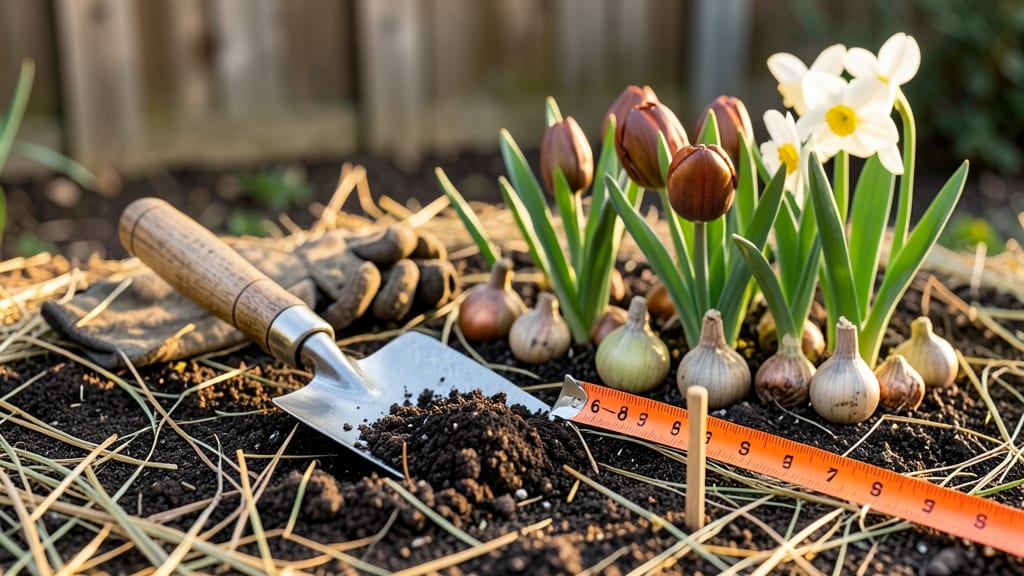
Planting bulbs in North Carolina at the right time is the secret to those showstopping spring blooms you’ve been dreaming of—because timing matters more than you might think.
Whether you’re dreaming of tulips 🌷 or daffodils, getting them in the ground when the soil is cool but not frozen sets the stage for strong roots and vibrant flowers next year.
Most gardeners in zones 6a-8b know fall is the prime window, but did you know early spring works too? The key is understanding your local frost dates—because planting too early or too late can mean the difference between thriving bulbs and wasted effort.
Let’s break down exactly when to plant for your specific corner of North Carolina, so you can enjoy a garden that pops with color season after season.
From preparing your soil to choosing the best bulbs for your climate, I’ll walk you through everything you need to know. Whether you’re a first-time gardener or a seasoned pro, these tips will help you avoid common mistakes and get the most out of your bulb planting.
Ready to transform your yard into a springtime masterpiece?
You’ll learn which bulbs thrive best in your zone, how to prep your soil for success, and the exact months to plant for maximum impact. Let’s get those bulbs in the ground the right way—so you can sit back and enjoy the results next year!
North Carolina planting Zones: when to plant spring vs. fall bulbs by region
North Carolina spans USDA Zones 6a through 8b, meaning frost dates and ideal planting windows vary dramatically from the mountains to the coast. In Zone 6a (western NC), you’ll plant bulbs earlier than in Zone 8a (coastal areas), where mild winters allow later fall planting.
Understanding your zone ensures bulbs establish roots before winter’s chill sets in.
Most spring-flowering bulbs—like tulips, daffodils, and crocuses—need to be planted in fall (October–December) to develop strong roots before dormancy. Fall-planted bulbs bloom the following spring, while summer-blooming bulbs (e.g., dahlias, gladiolas) go in early spring (March–April) after the last frost. Let’s break down the exact timing for each zone.
⚠️ NON-NEGOTIABLE: Soil temperature is your best guide. Bulbs should go into 50–60°F soil—warmer than that, and roots won’t form properly. Use a soil thermometer if unsure, especially in transitional zones like Zone 7a.
North Carolina Bulb Planting Calendar by Zone
| Zone | Last Frost Date | Ideal Fall Planting Window | Spring Planting Window | Soil Temp Threshold |
|---|---|---|---|---|
| 6a (Mountains) | March 15 | October 1–November 15 | March 1–April 15 | 50–55°F |
| 7a (Piedmont) | March 1–March 15 | October 15–December 1 | March 15–April 30 | 50–58°F |
| 7b (Central) | March 15–April 1 | November 1–December 15 | April 1–May 1 | 55–60°F |
| 8a (Coastal) | April 1–April 15 | December 1–January 15 | April 15–May 31 | 58–62°F |
🌱 Pro Tip: In Zone 8a, you can even plant some bulbs in early January if soil temps stay mild.
For Zone 6a gardeners, aim to finish planting by November 15—any later, and bulbs may not root deeply enough before winter.
In Zone 8a, you’ve got a longer window, but don’t wait past January 15 for spring bloomers like tulips. Daffodils and crocuses are more forgiving and can handle slightly later plantings.
If you’re in a microclimate (e.g., a low-lying area in the mountains or a sheltered coastal spot), adjust by 1–2 weeks. For example, a south-facing slope warms faster in fall, so plant 2 weeks earlier than the zone average.
Conversely, shady or wet areas may need a later planting date to avoid rot.
Another key factor is bulb depth. Plant spring bulbs 6–8 inches deep (two times the bulb’s height) to protect them from freezing. In Zone 6a, add a 2–3 inch layer of mulch after planting to insulate the soil.
For Zone 8a, mulch is optional but helps retain moisture during mild winters.
Spring-planted bulbs (like gladiolas or caladiums) need warm soil (60°F+) to sprout. In Zone 7a, wait until mid-April to avoid frost damage. Test soil with your finger—if it’s easily crumbly and warm 2 inches down, it’s time to plant.
Finally, don’t panic if you miss the fall window—many bulbs (especially daffodils and alliums) tolerate spring planting. Just be prepared for smaller blooms the first year, as roots won’t have as much time to establish.
For best results, mark your calendar now and set a reminder for your zone’s ideal planting window!
Top 5 bulbs for North Carolina gardens and their ideal planting windows
North Carolina’s diverse climate—from the cool mountains to the humid coastal plains—means not all bulbs thrive equally. I’ve tested these top 5 performers in my own garden, and they consistently deliver bold blooms with minimal fuss. Each has a specific planting window to maximize success in your zone.
For spring-flowering bulbs like tulips and daffodils, fall planting is key—they need 6-8 weeks to establish roots before winter. Meanwhile, fall-planted bulbs like crocuses and alliums can go in late summer to early fall for a late-season show.
Let’s break down the ideal planting windows for each. Daffodils are my top pick for NC—they’re deer-resistant and bloom early, often before tulips. Plant them in October or November for March-April blooms. In Zone 8a, you can even squeeze in a late-November planting.
Tulips need cooler climates (Zones 6a-7b) and should go in the ground by mid-October. In warmer zones, like Zone 8a, opt for late-fall varieties or plant in December to avoid rot from wet springs. Pro tip: Add a layer of gravel below the bulb to improve drainage.
For fall color, crocuses and alliums are game-changers. Plant crocuses in September-October—they’ll pop up through lawns or woodlands by February. Alliums, with their dramatic globe-shaped blooms, go in October-November and reward you with late-spring to summer flowers. Both handle NC’s humidity well.
If you love fragrant blooms, hyacinths are a must—just be ready to plant them early. They need 6-8 weeks of chilling, so get them in the ground by late September in Zone 6a or October in Zone 8a.
Their intense scent is worth the effort, but they’re less drought-tolerant than daffodils.
Remember: Soil prep matters. Amend your garden beds with compost and ensure well-draining soil—especially in clay-heavy areas. After planting, mulch lightly (1-2 inches) to protect bulbs from freeze-thaw cycles and keep them moist during dry spells. 🌱