
Plants
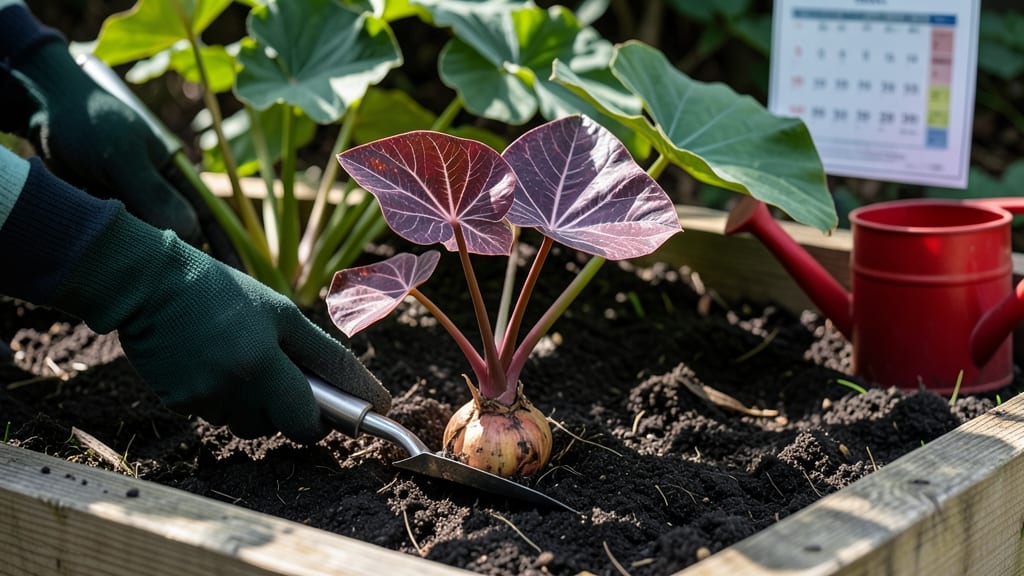
If you're dreaming of vibrant, tropical foliage in your North Texas garden but dread the guesswork of planting caladium bulbs, you're not alone. The difference between stunning 🌿 caladium displays and wilted disappointment often comes down to timing—especially in Zone 8a's intense summers.
Planting these heat-loving beauties too early risks scorched leaves, while waiting too long can stunt their growth before the real fun begins. The sweet spot? April to May, after the last frost when soil temperatures hit a steady 65°F—just in time for summer's bold color explosion.
I'll walk you through exactly when to plant for maximum impact, plus pro tips to keep your caladiums thriving through North Texas' brutal heat. No more second-guessing—just lush, show-stopping foliage that lasts all season.
Let's make this your most successful caladium season yet with the perfect planting schedule tailored for our region's unique climate challenges.
Optimal planting timeline for caladium bulbs in North Texas Zone 8b
North Texas gardeners face a unique challenge with caladium bulbs—they’re tropical plants that despise both cold snaps and scorching summer heat. The key to vibrant foliage lies in planting them after the last frost but before the brutal June heat sets in.
For Zone 8b, this means aiming for mid-April to early May, when soil temperatures consistently stay above 65°F.
I’ve learned the hard way that planting too early risks frost damage, while waiting until June often means struggling with heat stress. The ideal window is when your azalea bushes finish blooming—a natural cue that conditions are perfect for these heat-loving beauties.
🌱 Key Timing Rules for North Texas:
- Soil temp must reach 65°F+ (use a soil thermometer)
- Last frost date typically falls around March 15 (but verify locally)
- Plant no later than early May to avoid summer heat shock
| Stage | Action | North Texas Timeline |
|---|---|---|
| Prep Soil | Amend with compost | Late March |
| Plant Bulbs | 4-6" deep, moist soil | Mid-April to early May |
| First Growth | Sprouts appear | 4-6 weeks after planting |
| Peak Foliage | Full color display | June-August |
| Frost Prep | Dig up bulbs | November (before first frost) |
My personal rule is to mark my calendar for April 15 as the absolute latest I’ll plant—any later and the 100°F+ days become too harsh. I’ve seen caladiums planted in June still survive, but they’ll never reach their full vibrant foliage potential without this early start.
For container gardening, you’ve got slightly more flexibility—you can plant 2-3 weeks later since pots warm up faster. But even then, I recommend getting them in the ground by mid-May to avoid heat stress during the critical root establishment phase.
One pro tip I swear by: If you’re unsure about soil temps, do the "wrist test". Stick your hand in the soil—if it feels warmer than your wrist, it’s ready for planting. This works surprisingly well for Zone 8b gardeners who don’t have fancy tools.
Remember that caladium bulbs are not cold-hardy—they’ll bolt if exposed to temps below 50°F. That’s why I always have a row cover ready for unexpected late frosts, even in May.
The last frost date can vary by 1-2 weeks across North Texas, so check your local Cooperative Extension for precise dates.
After planting, focus on consistent moisture—these tropical plants hate drying out. I water mine deeply every 3-5 days during summer, always in the early morning to prevent fungal issues. The goal is to mimic their humid, shaded rainforest habitat as closely as possible.
How to prepare North Texas soil for heat-loving caladiums
North Texas' clay-heavy soil and scorching summers can turn your caladium bulbs into a sad, wilted mess if you don't prep properly. These tropical plants demand rich, moist, and well-draining soil to survive our Zone 8b heat—otherwise, you'll end up with bulb rot or stunted growth.
The key? Amending your soil before planting with the right organic matter and drainage fixes.
Start by testing your soil's pH level—caladiums thrive in slightly acidic conditions (6.0-6.5).
If your soil tests higher, mix in peat moss or pine bark fines to lower the pH. For our heavy clay, I recommend adding at least 30% organic matter (like compost or aged manure) to improve drainage while retaining moisture—critical for summer survival.
⚠️ Critical Warning: Avoid Overwatering
North Texas' intense summer heat combined with poor drainage creates the perfect storm for bulb rot. Never plant caladiums in soil that stays soggy—even for a day. Test drainage by digging a 6-inch hole, filling it with water, and timing how long it takes to drain. If it takes more than 2 hours, amend with perlite or coarse sand.
Pro Tip: Mix 1 part perlite to 3 parts compost for ideal texture. This combo prevents waterlogging while keeping roots cool.
For extra protection against heat stress, top your amended soil with a 3-inch layer of mulch (like shredded bark or pine straw). This shields bulbs from temperature swings and locks in moisture—saving you hours of watering during peak summer months.
Just keep mulch 2 inches away from stems to prevent rot.
One common mistake I see? Skipping the soil prep and expecting caladiums to thrive in native Texas clay. Without amendments, these bulbs will bake in the heat or drown in heavy rains. Think of soil prep as your insurance policy for vibrant foliage all summer long.
After amending, give your soil a 1-2 week settling period before planting. This lets organic matter integrate and prevents compaction when you handle the soil. Trust me—your caladiums will reward you with bold, healthy leaves that outshine any neighbor's garden.
Remember: The right soil prep isn't just about planting—it's about setting your caladiums up for survival in North Texas' harsh conditions. With these steps, you'll have foliage so striking it'll make passersby ask, "What's that gorgeous plant?"