
Plants
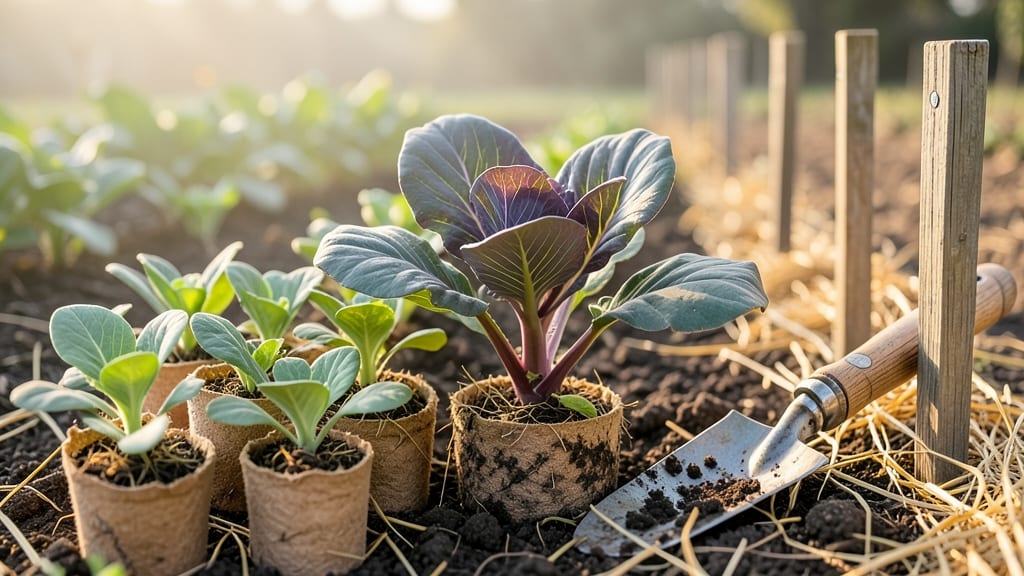
Knowing when to plant cabbage in Zone 7b isn’t just about checking a calendar—it’s about unlocking a harvest of crisp, flavorful 🥬 heads that your garden will actually be proud of.
Get those timing details wrong, and you’ll end up with bitter, bolting plants or worse, a dinner table full of sad, stunted cabbage.
Here’s the thing: Zone 7b’s mild winters and warm summers give you two prime windows to plant cabbage—spring and fall—but each comes with its own set of rules. Skip the guesswork, and you’ll avoid the heartbreak of watching your cabbage bolt before it even forms a head.
Let’s break down the exact weeks you should be planting, so you can enjoy a steady supply of homegrown greens from late spring through fall.
Whether you’re a seasoned gardener or just starting out, timing is everything. I’ll show you how to calculate your last frost date, adjust for your local microclimate, and even extend your growing season with smart fall planting. No more second-guessing—just confident, foolproof planting that guarantees a bountiful harvest.
Ready to ditch the trial-and-error? Let’s dive into the exact weeks you should be planting cabbage in Zone 7b, so you can enjoy that first satisfying crunch of a homegrown 🥬 head all season long.

Optimal cabbage planting weeks before last frost in Zone 7b (with exact dates)
Getting your cabbage timing right in Zone 7b means planting 4-6 weeks before your average last frost—typically between mid-February and early April for spring crops. This window ensures seedlings mature before summer heat triggers bolting or pest pressure spikes.
For fall planting, aim for 8-10 weeks before first frost (usually late July to early September).
Zone 7b’s 190 frost-free days give you two prime planting windows, but soil temperature (not air temperature) is your real guide. Wait until soil warms to 45°F (7°C) for direct sowing or 50°F (10°C) for transplants.
In Richmond, VA, last frost averages March 15, while Raleigh, NC sees it 3-5 days earlier.
Your local microclimate matters—low-lying areas frost later than hills. Check Almanac’s frost calculator for your exact zip code, then adjust planting dates by 1-2 weeks if your spring arrives early or late.
For example, if your last frost shifts to March 25, plant 6-8 weeks prior (late January).
Direct sowing vs. transplanting changes your timeline. Start seeds indoors 6-8 weeks before last frost (by February 15) for spring, or 8-10 weeks before first frost (by September 15) for fall. Harden off seedlings for 7-10 days before transplanting to avoid shock.
| Planting Method | Zone 7b Window | Soil Temp | Key Varieties |
|---|---|---|---|
| Spring Transplants | Feb 15–Mar 15 | 50°F (10°C) | 'Golden Acre', 'Red Express' |
| Spring Direct Sow | Mar 1–Apr 15 | 45°F (7°C) | 'Early Jersey Wakefield' |
| Fall Transplants | Jul 15–Aug 15 | 50°F (10°C) | 'Savoy King', 'January King' |
| Fall Direct Sow | Aug 1–Sep 1 | 45°F (7°C) | 'Late Flat Dutch' |
For succession planting, sow new seeds every 2 weeks from March to May for continuous harvests. Fall crops benefit from shade cloth (30%) in late summer to prevent heat stress. Always mulch with straw to retain soil moisture and regulate temperature—critical in Zone 7b’s humid summers.
Watch for cabbage maggots in warm soil. If your spring arrives early, use row covers until plants are established. In fall, heavy rains can rot heads—raise beds or plant on slopes for drainage.
Adjust your planting dates if your area experiences unusual weather patterns, like the 2021 late-March frost in Raleigh.
Pro tip: Test your soil pH (aim for 6.0–7.0compost or lime if needed. Cabbage is hungry—feed with balanced fertilizer (10-10-10) at transplanting and again when heads form. In Richmond’s clay soil, mix in sand or peat moss to improve drainage.
Remember: Early varieties like 'Early Jersey Wakefield' mature in 50–60 days, while late varieties like 'January King' take 90–100 days. Choose based on your frost dates and desired harvest time. For overwintering, use row covers or cold frames to extend fall harvests into December.
Optimal cabbage planting weeks before last frost in Zone 7b (with exact dates)
Zone 7b gardeners get a double chance to grow cabbage—spring and fall—but timing is everything. The key is planting 4-6 weeks before your average last frost date for spring crops, or 8-10 weeks before first frost for fall harvests.
In most of Zone 7b, this means March-April for spring and August-September for fall, but your exact dates depend on local microclimates.
For example, Richmond, VA typically sees its last frost around March 15, while Raleigh, NC might experience it 2-3 days later. Check your local USDA Plant Hardiness Zone Map or use a frost date calculator to pinpoint your specific window.
Even a 1-2 week difference can mean the difference between a perfect head and a bitter, bolting mess.
| Planting Window | Weeks Before Frost | Zone 7b Dates | Notes |
|---|---|---|---|
| Spring Transplant | 4-6 weeks | Late February - Early April | Start seeds indoors 6-8 weeks before last frost |
| Spring Direct Sow | 6-8 weeks | Mid-March - Late March | Soil must be at least 40°F for germination |
| Fall Transplant | 8-10 weeks | Late July - Early September | Choose cold-hardy varieties like 'January King' |
| Fall Direct Sow | 10-12 weeks | Mid-August - Early September | Use shade cloth if temperatures exceed 80°F |
Direct sowing cabbage seeds is an option, but it requires warmer soil temperatures (at least 40°F) and consistent moisture for germination. I recommend starting seeds indoors 6-8 weeks before your last frost date and transplanting seedlings when they’re 4-6 weeks old and have 4-5 true leaves.
This gives you a head start on the season and reduces the risk of pests attacking young plants.
Pro tip: If you’re in a warmer microclimate (like near a heat-retaining wall or pavement), your last frost might come 1-2 weeks later than the average. Use a frost-sensitive plant like basil as an early warning system—if it survives overnight, you’re likely safe to plant.
For fall cabbage, aim to harvest before hard frosts hit in mid-November. Some varieties like 'Golden Acre' tolerate light frosts, but most cabbage will suffer damage below 25°F. Use row covers or cold frames to extend your harvest window if needed.
Remember: Soil temperature matters more than air temperature for cabbage. Use a soil thermometer to confirm your planting window—cabbage seeds won’t germinate well in cold soil, even if the air is warm. Aim for 50-60°F soil for best results.