
Flowers
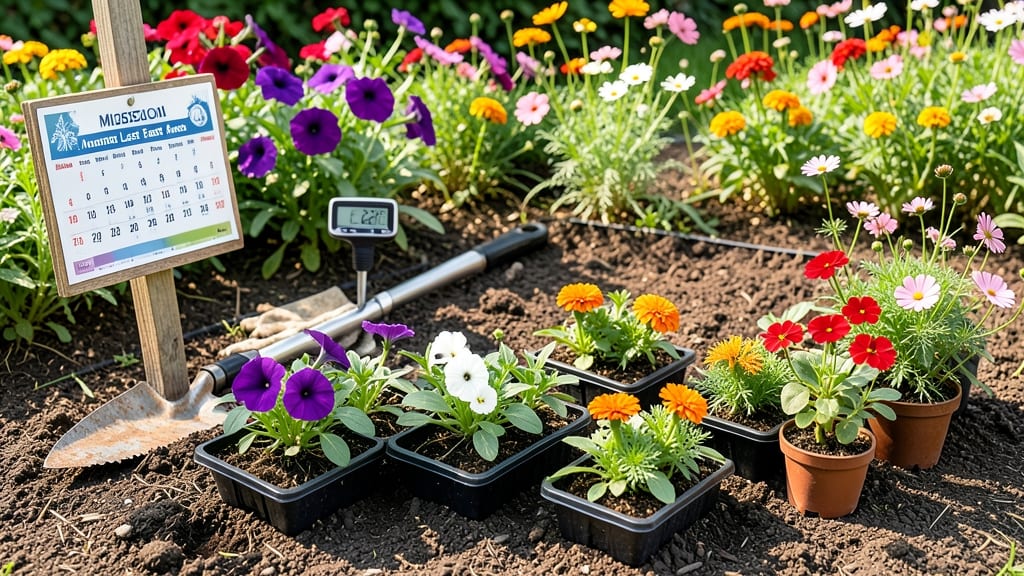
Knowing when it is safe to plant flowers in Missouri can make the difference between a garden bursting with 🌸 color and one that barely survives the first frost. The right window—typically after April 15 in most zones—ensures your flowers take root before summer heat or late frosts strike.
Missouri’s 5b-6b zones offer a 165-200 frost-free day window, but getting it wrong means risking stunted growth or lost blooms. Whether you’re planting annuals like marigolds or perennials like coneflowers, knowing when soil warms to 50°F is the key.
I’ll break down the exact planting schedule for your zone, plus soil prep tips and frost-tolerant varieties that thrive in Missouri’s climate. No more guessing—just a foolproof plan to start your garden right.
Ready to transform your yard? Let’s dive into the best times to plant flowers so you can enjoy vibrant blooms all season long.
Missouri last frost dates by zone: when to plant flowers safely
Missouri spans USDA hardiness zones 5a-7a, meaning your last frost date can vary by 2-3 weeks depending on where you live.
Northern regions like St. Joseph (Zone 5b) typically see their last frost around April 15, while southern areas like Sedalia (Zone 6b) often wait until April 1-10. These dates are critical for annual flowers like marigolds and petunias, which can’t survive even light frost.
For perennials such as coneflowers or black-eyed Susans, timing matters less, but planting too early risks stunted growth. The soil temperature should reach at least 50°F before transplanting tender flowers. Use a soil thermometer to check—cold soil slows root development and makes plants vulnerable to disease.
Missouri’s first frost usually arrives between October 15-30, giving you a 165-200-day growing season. This window is perfect for fall-planted bulbs like daffodils or cold-hardy annuals such as pansies, which can bloom well into winter.
🌱
Missouri Last Frost Dates by Zone
| Zone | Last Frost | First Frost | Safe Planting Window |
|---|---|---|---|
| 5a (Northeast MO) | April 22 | October 25 | May 1 - June 15 |
| 5b (Central MO) | April 15 | October 15 | April 25 - June 10 |
| 6a (Southwest MO) | April 1 | October 5 | April 15 - May 30 |
| 6b (Southeast MO) | March 25 | October 10 | April 1 - May 15 |
| 7a (Extreme SE MO) | March 15 | November 1 | March 20 - April 30 |
*Dates are averages—check Missouri Botanical Garden’s frost map for real-time updates.
If you’re unsure about your zone, use the USDA Plant Hardiness Zone Map and enter your ZIP code for precise data. For example, Kansas City (Zone 6a) has a later last frost than St. Louis (Zone 6b), so adjust your planting schedule accordingly.
Pro tip: Sign up for local weather alerts to track unexpected late frosts.
For container-grown flowers, you can plant 2-3 weeks earlier than in-ground plants since pots warm up faster. However, avoid planting heat-sensitive varieties like impatiens until after May 1, as late spring frosts can still occur in northern Missouri.
Missouri’s microclimates also play a role—areas near rivers or lakes (like the Mississippi River valley) may have 5-7 warmer days than inland regions. Use this to your advantage by planting early-blooming varieties like snapdragons in these pockets first.
Always harden off purchased plants for 7-10 days before transplanting, especially if they’ve been growing in a greenhouse. This gradual adjustment helps them withstand Missouri’s unpredictable spring weather, including wind gusts and temperature swings.
🌿
How to use Missouri’s hardiness map to pick the best planting time
Missouri’s USDA hardiness zones (5a-7a) can feel overwhelming at first, but they’re the secret to planting flowers at the perfect time. The hardiness map shows how cold your area gets in winter, which directly impacts when you can safely plant frost-sensitive blooms like petunias or geraniums.
For example, zone 5b (northern MO) has a later last frost date than zone 6b (southern MO), meaning you’ll plant 2-3 weeks earlier in the Bootheel than in St. Louis.
Start by locating your zone on the Missouri Botanical Garden’s interactive map. Then, use the average last frost date for your area as your planting deadline.
For most Missourians, this falls between mid-April and early May, but always verify with local data—microclimates (like urban heat islands) can shift dates by a week or more. Pro tip: Bookmark the National Weather Service’s frost prediction tool for real-time updates.
Planting too early is riskier than waiting. Even if the calendar says "spring," frost can return until May 15 in northern Missouri. Use the 50°F soil temperature rule—wait until your soil reaches this warmth before planting tender annuals like marigolds or zinnias. Cold soil slows root growth, leaving plants vulnerable to shock.
For cold-hardy flowers (e.g., pansies, snapdragons), you can plant 4-6 weeks before last frost, but always check the seed packet’s frost tolerance label. Some varieties (like stock) can handle light frosts, while others (like impatiens) need warm soil to thrive.
Missouri’s hardiness map also helps with fall planting. While spring gets all the attention, fall is ideal for perennials like coneflowers or black-eyed Susans. Aim to plant 6-8 weeks before first frost (typically September 1-15 in most zones).
This gives roots time to establish before winter, so they bloom bigger next spring. Use the map to adjust for your zone—southern Missouri can plant later than northern areas.
Don’t forget about microclimates, which can create planting pockets in your yard. A south-facing wall warms up faster than open ground, letting you plant 2 weeks earlier in that spot. Similarly, low-lying areas hold cold air longer, delaying your planting window.
Test your microclimates by placing a thermometer in different spots for a week—you’ll spot the warmest (and safest) areas for early planting.
Finally, pair the hardiness map with your local agricultural extension office. They track real-time frost data and can advise on site-specific adjustments. For example, if you’re in zone 6a but live near a large body of water, you might experience later frosts due to lake-effect cooling.
Their insights help you fine-tune your planting schedule beyond the map’s averages.
With the hardiness map as your guide, you’ll avoid the heartbreak of frost-nipped blooms or wilting heat-stressed plants. Start by marking your zone, then use soil temperature and local data to pinpoint the sweet spot for your garden’s unique conditions. Happy planting! 🌸