
Plants
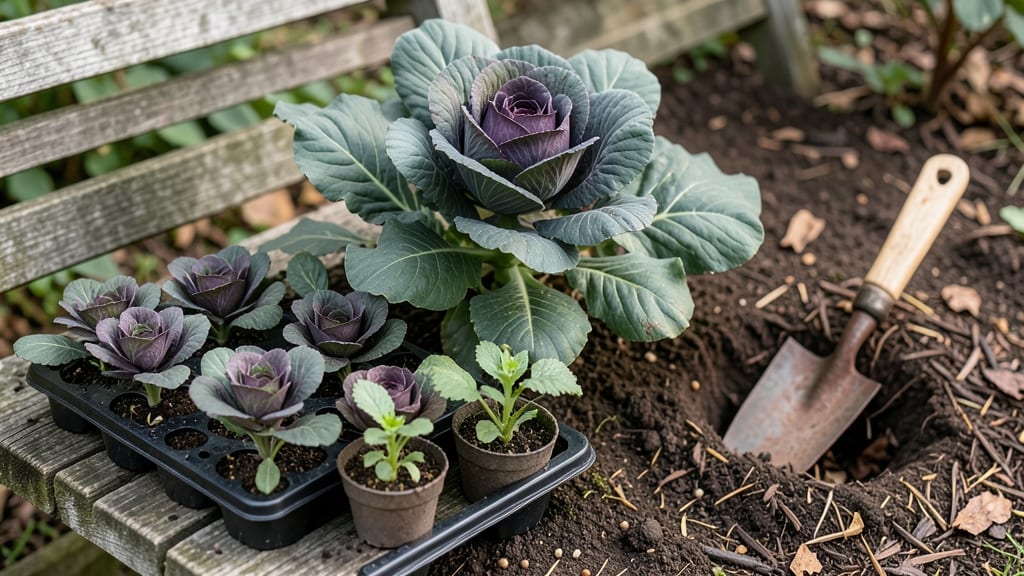
If you're wondering when to plant cabbage in Arkansas, timing is the secret weapon that separates a thriving garden from a disappointing one. Arkansas gardeners know the stakes—plant too early, and frost will turn your 🥬 into a sad, wilted mess.
Too late, and summer's relentless heat sends your cabbage bolting before it even forms a head.
With Arkansas' USDA zones 7a-8b, you've got two prime windows: spring and fall. But here's the catch—spring planting means beating the last frost (usually around March 15), while fall planting requires starting before summer's heat peaks.
Get this wrong, and you'll be left with bitter, stunted plants instead of the crisp, sweet heads you crave.
I've tested both approaches in my Arkansas garden, and the difference is night and day. Spring cabbage thrives when planted in February-March, while fall varieties need to hit the soil by July-August.
The key? Soil temperature and microclimates—what works in the cooler Ozarks might fail in the humid Delta.
Ready to grow cabbage that actually tastes like cabbage? Let's break down the exact timing, soil prep, and Arkansas-specific tricks that'll have you harvesting May-June and again in October-November. No more guesswork—just head-sized success.
Best cabbage planting times in Arkansas: spring vs fall guidelines
Arkansas gardeners face a unique challenge with cabbage: the state's humid summers and cool winters create two distinct planting windows. Missing either means smaller heads or bitter-tasting crops. The key? Planting 6-8 weeks before your last frost date (typically March 15) for spring cabbage and July-August for fall varieties.
Cabbage thrives in Arkansas's USDA zones 7a-8b, but timing varies by region. The Delta region (zone 8a) can plant slightly later than the Ozarks (zone 7a). Soil temperature is critical—wait until it reaches 45°F before transplanting seedlings to avoid stunted growth.
Spring planting gives you May-June harvests, while fall planting yields October-November crops before hard frosts. Both windows require consistent moisture and fertile soil to prevent bolting (flowering prematurely) during Arkansas's unpredictable spring weather.
🌱
| Planting Window | Best Months | Soil Temp Requirement | Harvest Window | Arkansas Notes |
|---|---|---|---|---|
| Spring Planting | February-March | 45°F+ | May-June | Start seeds indoors in January; transplant after last frost. |
| Fall Planting | July-August | 50°F+ | October-November | Use bolt-resistant varieties like 'Cavalo' for Arkansas heat. |
| Extended Fall | September | 55°F+ | November | Plant fast-maturing varieties like 'Golden Acre' for late harvests. |
For spring cabbage, I recommend starting seeds indoors in January to give seedlings a head start. Transplant them outdoors 4-6 weeks before your last frost date—typically mid-February to early March. This timing ensures your plants mature before Arkansas's summer heat triggers bolting.
Fall cabbage requires a different approach. Plant seeds directly outdoors in July or transplant seedlings in early August. Choose heat-tolerant varieties like 'Cavalo' or 'Crimson Globe' to handle Arkansas's 90°F+ temperatures before the cooler fall sets in.
One common mistake Arkansas gardeners make is planting spring cabbage too late. If you miss the February-March window, your heads may form during June's heat, resulting in bitter, loose heads. Similarly, fall plantings after mid-August risk frost damage before harvest.
🌿
To maximize success, test your soil's pH (6.5-7.0) and amend with compost before planting. Arkansas's clay-heavy soils in the Delta benefit from raised beds, while the well-draining Ozark soils may need less amendment. Always keep plants well-watered—Arkansas's humidity means consistent moisture prevents cracking.
Pro tip: Use shade cloth during Arkansas's hot afternoons (1-4 PM) to protect young seedlings from stress. This simple trick extends your planting window by 2-3 weeks in both spring and fall.
Best cabbage planting times in Arkansas: spring vs fall guidelines
Arkansas gardeners face a unique challenge with cabbage—its cool-season needs clash with the state's hot summers and variable frost dates. The key is planting during two distinct windows: early spring and late summer, both timed to avoid extreme heat or frost.
Let's break down the perfect schedule for your USDA Zones 7a-8b.
For most of Arkansas, the last frost date falls around March 15, while the first frost typically arrives by November 15. This gives you about 200 frost-free days, ideal for growing cool-loving cabbage.
However, Arkansas' humidity and heat spikes demand precise timing—plant too early, and frost will kill seedlings; too late, and your plants bolt before forming heads.
🌱
| Planting Window | USDA Zone 7a-8b | Soil Temp | Key Notes |
|---|---|---|---|
| Spring Planting | February-March | 45°F+ | Start seeds indoors 6-8 weeks before last frost or transplant hardened seedlings after March 15. |
| Fall Planting | July-August | 60°F+ | Direct sow seeds 8-10 weeks before first frost or transplant seedlings in early August. |
| Avoid Planting | April-May, September-October | N/A | Extreme heat causes bolting; plants won't form heads before frost. |
Spring planting is the most reliable method for Arkansas gardeners. Begin by starting seeds indoors in January for a March transplant after the last frost.
Popular varieties like Golden Acre and Cavalo thrive in Arkansas' climate when given 6+ hours of sunlight and well-draining soil with a pH of 6.0-7.0. For direct sowing, wait until March 15 when soil temperatures reach 45°F.
Fall planting requires heat-tolerant varieties like Early Jersey Wakefield to survive Arkansas' summer humidity. Sow seeds in July for a harvest before November 15. Use shade cloth during peak afternoon heat to protect seedlings.
In northern Arkansas (Zone 7a), aim for an August 1 transplant; in southern areas (Zone 8b), push to mid-August to extend the growing season.
One common mistake Arkansas gardeners make is planting cabbage too close to summer. Temperatures above 80°F trigger bolting, causing plants to flower prematurely. To avoid this, always plant 8-10 weeks before your expected first frost and choose bolt-resistant varieties like Cavalo or Red Express.
For urban gardeners, container gardening with 5-gallon pots can help regulate soil temperature and moisture.
Remember, Arkansas' microclimates vary dramatically. The Delta region has longer growing seasons, while the Ozarks experience earlier frosts. Adjust your planting dates accordingly—2-3 weeks earlier in the Ozarks and 2 weeks later in the Delta. With the right timing, you'll enjoy crisp, homegrown cabbage from May through November.