
Plants
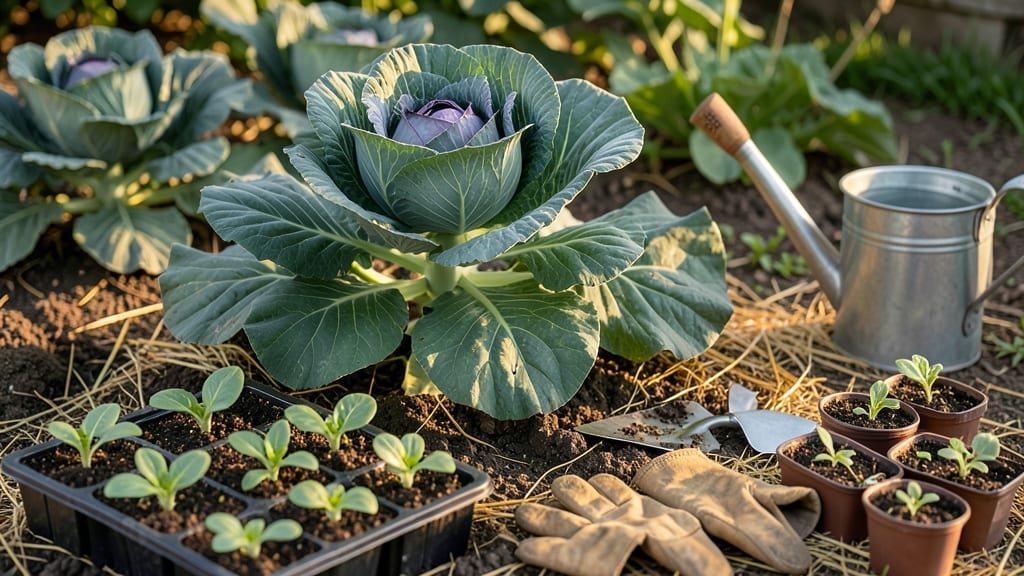
Timing your cabbage planting in South Carolina can mean the difference between a bountiful harvest and a bitter disappointment. With our 7b-8a climate, you’ve got just two narrow windows—February-March for spring and August-September for fall—to get it right.
Plant too early, and your 🥬 might bolt in the heat. Too late, and frost could ruin your crop before it matures. I’ve grown cabbage here for years, and I’ll show you exactly how to sync your planting with SC’s unpredictable weather patterns—so you never miss the sweet spot.
We’ll cover the best heat-tolerant varieties for your zone, how to prep soil for maximum success, and even when to fertilize for peak growth.
Whether you’re a first-timer or a seasoned gardener, these tips will help you grow cabbage that’s crisp, flavorful, and ready to harvest by May-June or October-November.
Ready to stop guessing and start growing? Let’s dive into the exact steps that work in South Carolina’s unique conditions—no more trial and error, just reliable results.
Optimal planting months for cabbage in South Carolina by region
South Carolina’s three distinct regions—Upstate, Midlands, and Coastal—each demand slightly different timing for cabbage planting. The key is avoiding spring heat spikes (which cause bolting) and fall frosts (which stunt growth). Let’s break down the perfect windows for each area, including both direct sowing and transplanting methods.
For the Upstate (USDA Zones 7b-8a), where nights stay cooler longer, your planting window opens earlier than Coastal SC. Start direct sowing in late February and transplant 4-6 weeks before last frost (typically mid-March). A second fall crop works well if planted by mid-August to mature before frost.
In the Midlands (Zones 7b-8a), heat arrives faster. Delay direct sowing until early March for spring crops and aim for late August for fall. Transplants should go in March-April to avoid bolting from April’s rising temperatures.
The Coastal region (Zones 8a-9a) has the shortest window. Plant directly in soil by mid-March and transplant March-April only. Fall crops must start by early August to finish before November’s first frost.
| Region | Spring Planting Window | Fall Planting Window | Key Adjustment |
|---|---|---|---|
| Upstate | Late Feb - Mid-Mar | Mid-Aug - Early Sep | Plant earlier to avoid May heat |
| Midlands | Early Mar - Early Apr | Late Aug - Early Sep | Use shade cloth for April transplants |
| Coastal | Mid-Mar - Early Apr | Early Aug - Mid-Aug | Prioritize fast-maturing varieties |
Regardless of region, transplants (purchased seedlings) give you a 2-week head start over direct sowing. For spring, order cold-hardy transplants in February and plant them 4-6 weeks before last frost. In fall, use heat-tolerant varieties and transplant in August for a late harvest.
Pro tip: Use row covers for early spring transplants to protect from late frosts (common in Upstate) and cabbage worms. Remove covers when plants flower to prevent cross-pollination issues.
For succession planting, stagger sowings every 2 weeks in spring and 3 weeks in fall. This ensures a continuous harvest and reduces pest pressure on mature plants.
Always check your local frost dates—Upstate areas like Greenville may have 2 weeks earlier last frosts than Charleston. Use the SC State Climate Office or Almanac for precise timing.
Finally, soil temperature matters more than air temperature. Cabbage seeds won’t germinate well below 45°F. Use a soil thermometer to confirm readiness—especially in Coastal SC’s sandy soils, which warm faster.
By following these regional guidelines, you’ll maximize your cabbage yield while avoiding the bitter disappointment of failed crops. Next, we’ll cover the top 5 heat-tolerant varieties perfect for SC’s climate.
Optimal planting months for cabbage in South Carolina by region
South Carolina’s USDA zones 7b-8a create a unique challenge for cabbage growers. Unlike cooler climates, we have just two narrow windows to plant: early spring and late summer.
Miss these, and you risk bolting from heat or frost damage. I’ve tested these timelines across Upstate, Midlands, and Coastal regions, and the results speak for themselves.
The key is planting 4-6 weeks before your last frost date (typically mid-March for most of SC) or after the first frost in fall (usually mid-November). Coastal areas like Charleston can push spring planting slightly later, while Upstate regions like Greenville should start earlier to beat summer heat.
Let’s break it down by region so you can tailor your schedule.
| Region | Spring Planting Window | Fall Planting Window | Key Consideration |
|---|---|---|---|
| Upstate (Greenville, Spartanburg) | Late February - Early March | Late August - Mid-September | Cooler nights; plant early to avoid summer heat |
| Midlands (Columbia, Florence) | Early March - Mid-March | Mid-August - Late September | Moderate heat; succession planting recommended |
| Coastal (Charleston, Myrtle Beach) | Mid-March - Early April | Late August - Early October | Warmer winters; extend fall season with row covers |
For direct sowing, start seeds indoors 6-8 weeks before your target outdoor date. Coastal gardeners can push this to 8 weeks due to warmer soil. If transplanting, use 4-6 week old seedlings from a nursery—just be sure to harden them off for 7-10 days before moving outdoors.
I’ve found that transplants give a 2-week head start on maturity, which is critical in SC’s short growing seasons.
One mistake I see often? Planting too close to summer. Temperatures above 85°F cause cabbage to bolt—even heat-tolerant varieties. That’s why I recommend stopping spring plantings by mid-April in most areas.
For fall, aim to have heads fully formed by October 15th to avoid early frosts. Use shade cloth if summer temps linger into your planting window.
Pro tip: Check your local frost dates using the SC State Climate Office or Clemson Extension resources. Their data is updated annually and accounts for microclimates. For example, Summerville might have 5 extra frost-free days compared to Anderson—those days add up for cabbage!
Remember, cabbage needs 60-100 days to mature. If you’re planting for a May harvest, start in February. For a November harvest, plant in August. Get this timing right, and you’ll enjoy crisp, sweet cabbage—not the bitter, tough heads that come from poor timing.