
Plants
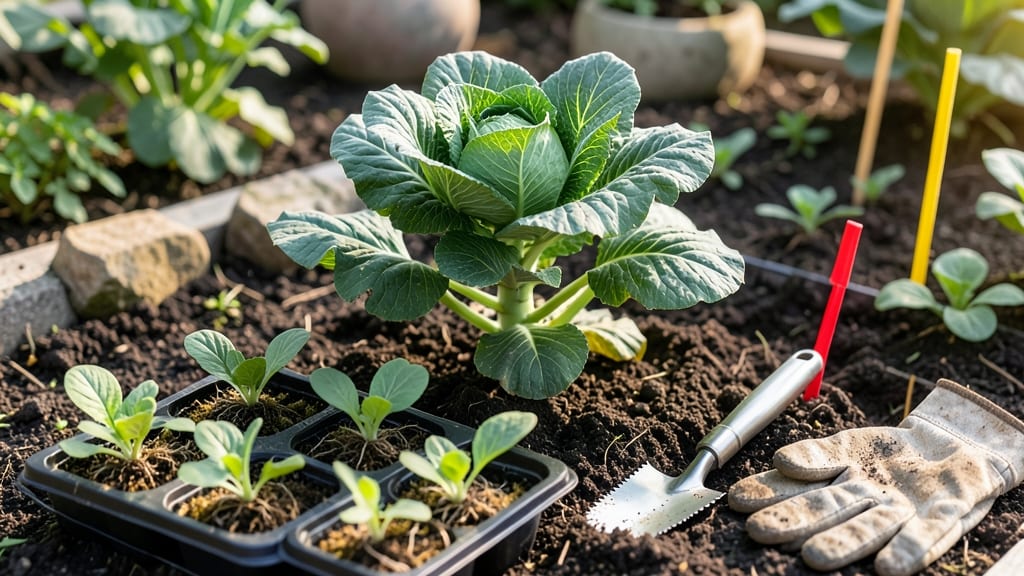
Timing your cabbage 🥬 planting in Zone 8b isn't just about throwing seeds in the ground—it's the difference between a bumper crop and bolting before harvest. Too early, and you risk frost damage; too late, and your plants may bolt from summer heat.
The key is planting 4–6 weeks before your last frost, whether in early spring or late summer, to give your cabbage the ideal 70–90 days to mature.
In Zone 8b, where winters are mild but summers can be brutal, you’ve got two prime windows to plant: February–March for spring harvests or August–September for fall crops. The trick is avoiding those hot summer months when cabbage plants throw in the towel and bolt.
I’ll show you exactly how to time it right—plus, how to stretch your growing season with simple tricks like row covers and succession planting.
Let’s cut through the guesswork. You’ll learn the exact weeks to plant for frost-free success, how to prep your soil for maximum growth, and even which companion plants keep pests at bay.
Whether you’re a first-time gardener or a seasoned green thumb, these tips will help you grow crisp, healthy cabbage heads all season long—no more wasted efforts or sad, wilted plants.
Ready to turn your garden into a cabbage powerhouse? Grab your gloves, and let’s dive into the perfect planting schedule for Zone 8b. Your future salads (and braised dishes) will thank you!

Zone 8b cabbage planting calendar: exact weeks before/after frost
In Zone 8b, where winters are mild but summers can be scorching, timing is everything for growing cabbage. The key is planting when soil temperatures stay cool (50–65°F) and avoiding the heat stress that triggers bolting.
For most of Zone 8b, this means two distinct windows: early spring and late summer/fall. Miss these windows, and you risk either freeze damage or premature flowering.
Your last average frost date in Zone 8b is around January 15, while the first frost typically arrives November 15. This gives you a 270-day frost-free window, but cabbage needs 60–120 days to mature.
This means you’ll need to plan two planting cycles—one in spring and one in fall—to ensure a continuous harvest.
For spring cabbage, start seeds indoors 6–8 weeks before your last frost (around November–December) or transplant 4–6 weeks before frost (early February–March). For fall cabbage, sow seeds or transplants 8–10 weeks before your first frost (around August–early September).
This timing ensures your cabbage matures before winter sets in.
| Planting Window | Action | Soil Temp | Days to Maturity | Harvest Window |
|---|---|---|---|---|
| Early Spring | Transplant seedlings (Feb–Mar) | 50–65°F | 70–90 days | May–July |
| Late Summer/Fall | Sow seeds (Aug–Sep) | 60–70°F | 60–80 days | Oct–Dec |
| Indoor Start | Sow seeds (Nov–Dec) | 65–75°F | 80–120 days | May–June (spring) or Oct (fall) |
If you’re planting transplants instead of seeds, aim for 4–6 weeks before your last frost in spring or 8–10 weeks before your first frost in fall. Transplants are easier to manage but must be hardened off first to avoid shock.
For seeds, direct-sow 2–3 weeks earlier than transplants, as they germinate faster in cooler soil.
One critical factor in Zone 8b is heat tolerance. Cabbage bolts (goes to seed) when exposed to temperatures above 75°F for prolonged periods. To avoid this, choose heat-tolerant varieties like ‘Cavalo’ or ‘Golden Acre’ for summer plantings.
Also, provide afternoon shade with row covers or shade cloth during peak summer months if you’re pushing your fall planting later.
Don’t forget about succession planting! In Zone 8b, you can stagger plantings every 2–3 weeks in spring and fall to ensure a steady supply.
For example, plant one batch in early February, another in mid-March, and a final batch in early September for a continuous harvest from May through December. This method maximizes your garden space and reduces waste.
Finally, monitor your local microclimate. Areas near large bodies of water or at higher elevations may experience earlier frosts or cooler soils, while urban heat islands can delay frost.
Adjust your planting dates by 1–2 weeks based on your specific location’s history. Use a garden journal to track what works best in your yard over time.
By following this Zone 8b cabbage planting calendar, you’ll avoid the common pitfalls of bolting or freeze damage while ensuring a bountiful harvest of crisp, flavorful heads all season long. Happy planting! 🥬
Spring vs. fall cabbage planting: which works best in Zone 8b?
Deciding between spring and fall cabbage planting in Zone 8b depends on your goals: quick harvests or extended growing seasons. Both strategies work, but they come with unique trade-offs that can make or break your yield.
Let me break down the pros and cons so you can choose what fits your garden best.
Spring planting gives you an earlier harvest window (May–July), but requires careful timing to avoid heat stress that can cause bolting. Fall planting, however, extends your harvest into late fall (October–December) and often produces hardier heads that withstand cooler temperatures.
The key is understanding which season aligns with your local microclimate and pest pressures.
For Zone 8b’s warmer winters, fall-planted cabbage often outperforms spring varieties because it avoids the peak summer heat that triggers bolting. However, if you’re dealing with heavy fall rains or fungal diseases in your area, spring might be the safer bet. Let’s compare the two approaches head-to-head.
Spring Planting
✅ Pros
- Harvests ready by late spring (May–June)
- Avoids late-summer heat stress
- Fewer pest pressures early in the season
❌ Cons
- Bolting risk if planted too early
- Requires consistent watering during dry springs
- Shorter harvest window before summer heat
Fall Planting
✅ Pros
- Harvests extend into late fall/winter (October–December)
- Avoids peak summer bolting
- Hardier varieties tolerate cooler temps
❌ Cons
- Disease risk with fall rains
- Requires earlier planting to mature before frost
- Some varieties bolt faster in warm falls
If you’re in a cooler microclimate within Zone 8b (like higher elevations), fall planting often wins because the milder winters allow for later harvests. But if your area has hot, dry springs, prioritize spring planting to avoid stressing young plants.
For me, fall planting has been more reliable in my Zone 8b garden—especially with heat-tolerant varieties like ‘Golden Acre’ or ‘Red Express.’
Pro tip: Test your soil temperature before planting. Cabbage thrives when soil is between 45–85°F. Use a soil thermometer to confirm—planting too early in fall (when soil is still warm) can trigger bolting. For spring, wait until soil warms to 50°F to ensure steady germination.
Want to maximize both seasons? Try succession planting: start a spring batch in February and a fall batch in August. This way, you’ll have cabbage ready from May through December—no gaps! Just be sure to mulch heavily in fall to protect roots from temperature swings.