
Plants
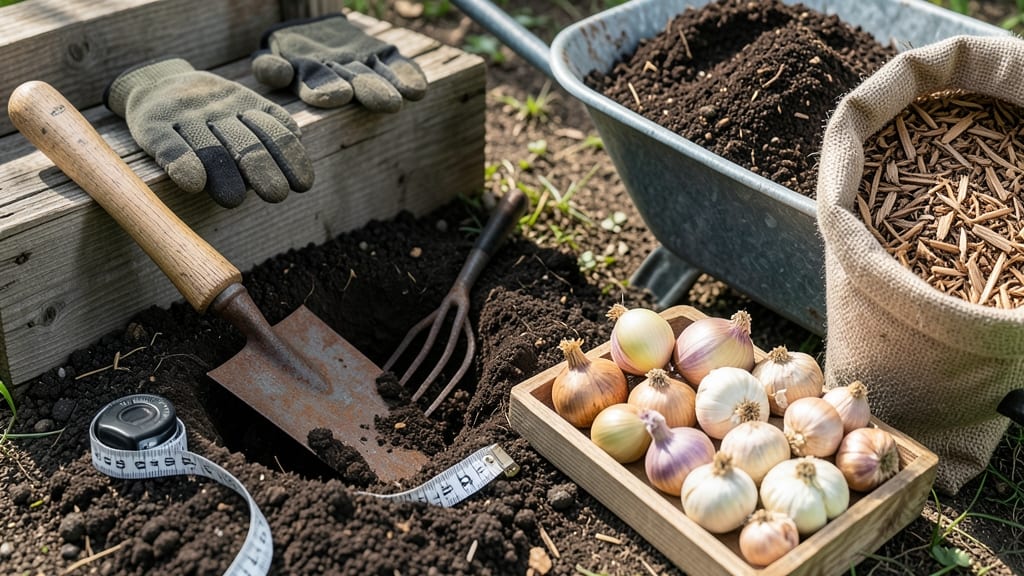
Knowing when to plant bulbs in Zone 8a can make or break your spring garden dreams—yet even experienced gardeners often miss the sweet spot.
That perfect window between October and November isn’t just about timing; it’s about giving your 🌱 tulips, daffodils, and crocuses the ideal conditions to thrive through winter’s chill.
Here’s the catch: Plant too early, and your bulbs might sprout before frost hits. Too late, and they won’t establish strong roots before the ground cools. Zone 8a’s mild winters add another layer—some bulbs need that cold snap to bloom, while others prefer a gentler start.
I’ll break down the exact steps to avoid these common pitfalls and ensure your garden bursts with color come spring.
You’ll also discover how to prep your soil, choose the right depth, and protect your investment from Zone 8a’s unpredictable shifts. Whether you’re a first-timer or a seasoned gardener, these insights will help you skip the guesswork and plant with confidence.
Let’s dive into the science-backed strategies that’ll transform your bulb-planting game—so you can enjoy a showstopping display without the stress.

Zone 8a bulb planting timeline: month-by-month guide for perfect blooms
In Zone 8a, where winters are mild but still require chilling for many bulbs, timing is everything. Most spring-blooming bulbs like tulips and daffodils need to be planted in fall—typically between October and November—to establish roots before winter dormancy.
This 6-8 week window before your first frost (December 15) ensures they get the cold they need to bloom vibrantly next spring.
For heat-loving bulbs like crocuses or snowdrops, early spring planting in February or March works better. These varieties prefer warmer soil and can handle Zone 8a’s mild winters without dormancy. Always check your local last frost date—in Zone 8a, it’s around January 15—to adjust your schedule accordingly.
Soil temperature is your secret weapon for success. Aim to plant when soil temps drop below 60°F, signaling bulbs it’s time to root. Use a soil thermometer to track this—fall planting in October usually hits this mark just right for most bulbs.
If you miss fall, don’t panic: early spring (February) is your second chance for varieties that tolerate warmer soils.
Here’s the month-by-month breakdown for planting bulbs in Zone 8a, including soil prep, depth, and care tips to maximize blooms:
| Month | Best Bulbs to Plant | Soil Temp Goal | Planting Depth | Care Tip |
|---|---|---|---|---|
| October | Tulips, Daffodils, Hyacinths, Alliums | Below 60°F | 2-3x bulb height | Water deeply after planting |
| November | Late-blooming tulips, Snowdrops, Crocuses | Below 50°F | 2x bulb height | Mulch lightly to protect from early frosts |
| February | Crocuses, Snowdrops, Caladiums | Above 50°F | 1-2x bulb height | Plant in well-draining soil |
| March | Dahlias, Cannas, Begonias | Above 60°F | 3-4 inches deep | Fertilize lightly after sprouting |
🌱 Pro Tip: Adjust for early/late frosts by planting 2-3 weeks earlier or later.
Zone 8a’s mild winters can trick bulbs into thinking it’s spring too soon. If you notice shoots emerging in winter, protect them with mulch or a light frost blanket to prevent damage.
This is especially critical for tulips, which are sensitive to freezing soil. Once blooms appear in spring, feed them with a balanced fertilizer (5-10-10) to encourage next year’s flowers.
Don’t overlook summer-blooming bulbs like dahlias or gladiolas, which thrive when planted in early spring (March). These varieties love Zone 8a’s warmth and can produce stunning displays from June to August.
Plant them in full sun and well-draining soil to avoid rot—this is a common mistake in humid climates like Zone 8a.
For continuous color, stagger your planting. Start with crocuses in October for early spring blooms, then add tulips in November, and finish with dahlias in March. This creates a 3-month bloom sequence that keeps your garden lively from February to August.
Just remember: depth matters—plant deeper in sandy soil (common in Zone 8a) to anchor bulbs securely.
If you’re new to bulbs, start with daffodils or alliums—they’re the most forgiving in Zone 8a. These varieties tolerate a range of soil types and are less prone to rot or pests.
Once you’ve mastered timing, experiment with hyacinths or muscari for fragrant, low-maintenance blooms that thrive in your climate.
Finally, mark your calendar for next year’s planting now. Set reminders for October 15 (ideal for most bul
3 Critical mistakes that kill Zone 8a bulbs (and how to fix them)
Planting bulbs in Zone 8a requires precision—one wrong move, and your investment could rot before blooming. I’ve seen gardeners waste years of effort by ignoring these three fatal mistakes. Let’s tackle them head-on so your bulbs thrive, not fail.
First, planting at the wrong soil temperature is the #1 killer. Bulbs like tulips and daffodils need cool soil (below 60°F) to trigger root growth. In Zone 8a, that means October-November for fall planting—never earlier, or your bulbs will sprout too soon and get fried by summer heat.
Second, skipping chilling requirements dooms heat-sensitive varieties. Many bulbs need 12-16 weeks below 40°F to bloom. If you plant hyacinths or crocuses too late, they’ll sit dormant forever. Use a cool basement or refrigerator for 8-10 weeks if your winter stays mild.
⚠️ CRITICAL MISTAKE: Planting Too Deep or Shallow
Too deep? Roots suffocate. Too shallow? They dry out. Most bulbs need depth equal to 2-3x their diameter. For example, a 2-inch daffodil bulb should go 4-6 inches deep. Use a ruler—don’t guess!
Fix: Loosen soil first, plant at the right depth, then cover with compost-rich topsoil to encourage root growth. Mulch lightly (1-2 inches) to retain moisture.
Third, overwatering after planting drowns bulbs before they establish roots. While they need moderate moisture, soggy soil invites rot. Water deeply once after planting, then let nature take over—unless we’re in a drought. Even then, bulbs hate wet feet during dormancy.
Here’s my quick-fix