
Plants
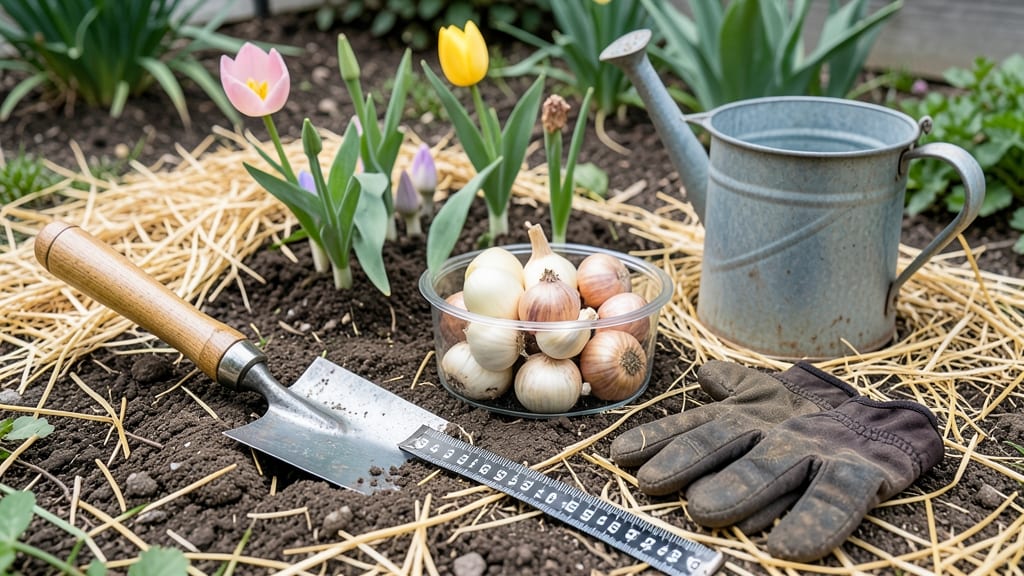
Knowing when to plant bulbs in Zone 7b is the difference between a garden bursting with vibrant blooms and one that disappoints. The right timing ensures your 🌱 daffodils, tulips, and crocuses thrive, while getting it wrong can leave you with weak growth or no flowers at all.
Zone 7b’s mild winters and variable frost dates make it tricky—too early, and bulbs may sprout before winter sets in; too late, and they won’t establish roots before the cold.
The key is planting 6-8 weeks before the ground freezes in fall or 4-6 weeks before the last frost in spring, but local microclimates can shift that window by weeks.
Whether you’re a first-time gardener or a seasoned pro, understanding these nuances is game-changer for your garden’s success. I’ll break down the exact months to plant, how to adjust for your specific microclimate, and what to watch for to avoid common mistakes.
Let’s get your bulbs in the ground at the perfect time so you can enjoy a showstopping spring display—without the guesswork.

Zone 7B bulb planting calendar: month-by-month guide for spring and fall
Planting bulbs in Zone 7B requires precision—too early, and they’ll rot; too late, and they’ll miss their bloom window. My 6-8 week rule before the first frost (mid-November) ensures bulbs establish roots before winter.
For spring bulbs like daffodils and tulips, aim for February-March, 4-6 weeks before your last frost (April 15).
Fall planting is critical for most bulbs—October-November is ideal when soil temps drop below 60°F. In Zone 7B, this usually aligns with mid-October for early bloomers like crocus and hyacinths, while tulips and alliums wait until late October.
Spring-planted bulbs (caladiums, gladiolus) go in after the last frost, around mid-April.
Your local microclimate matters—urban areas may need 2-3 weeks earlier due to heat retention, while rural spots can wait slightly longer. Always check soil temps with a soil thermometer—50-60°F is the sweet spot for root growth before dormancy.
For Zone 7B gardeners, late October is my go-to for most bulbs—it balances root establishment and frost protection. Use a moisture meter to confirm soil readiness; bulbs need consistent moisture but hate soggy conditions. In urban areas, plant 2 weeks earlier to escape heat buildup.
Spring bulbs like alliums and fritillaries can handle slightly later planting (up to mid-November), but avoid planting after November 20—roots won’t have time to anchor before winter. If your soil stays warm late, opt for shade-loving varieties like wood hyacinths.
Pro tip: Mark your planting calendar with local frost dates—my garden’s November 15 first frost is non-negotiable. Adjust for elevation changes: higher areas freeze 2-3 weeks earlier than valleys. Always plant bulbs 3x deeper than their height for winter protection.
After planting, mulch with 2–3 inches of straw or leaves to insulate bulbs. In Zone 7B, this prevents soil heaving during freeze-thaw cycles. Skip mulch in spring until shoots appear—too early, and it traps moisture, inviting rot.
Remember: Paperwhites and amaryllis are exceptions—they thrive in containers indoors and can be planted anytime for forced blooms. For outdoor bulbs, timing trumps everything. Miss the window, and you’ll wait another year for those showstopping blooms.
How microclimates in Zone 7B shift planting timing (and how to adapt)
Zone 7B’s mild winters and variable microclimates mean your neighbor’s perfect planting window might not work for you. Urban areas with heat islands can delay frost by weeks, while elevated gardens may freeze earlier. Even a pond or large tree nearby can shift soil temperatures by 5–10°F.
For example, tulip bulbs planted in mid-October in a rural Zone 7B garden might sprout too early and rot if your urban yard stays 10°F warmer than average. Conversely, daffodils in a shady microclimate could take longer to bloom if planted at the same time as sun-exposed areas.
Here’s how to adjust your schedule based on local conditions:
| Microclimate Factor | Typical Zone 7B Window | Adjusted Window | Action to Take |
|---|---|---|---|
| Urban Heat Island | Mid-October | Late October–Early November | Wait for soil to cool below 60°F. |
| Elevated Gardens (500+ ft) | Late October | Early October | Plant 2 weeks earlier to avoid early frost. |
| North-Facing Yard (Shady) | November | October | Plant 4–6 weeks earlier for slower soil warming. |
| Near Water Body | November | Late November | Delay until water cools soil significantly. |
| South-Facing Slope | Late October | Mid-October | Soil warms faster; plant 2 weeks sooner. |
Pro tip: Use a soil thermometer to confirm when temperatures drop below 60°F—the ideal trigger for most fall-planted bulbs. For spring-planted bulbs like paperwhites, wait until soil warms to 55°F before planting in cooler microclimates.
If you’re unsure about your microclimate, observe nearby perennials like hostas or heucheras. Their growth patterns can hint at whether your yard warms up earlier or later than the average Zone 7B timeline. Adjust your bulb schedule accordingly to avoid rot or premature sprouting.
Remember, crocus and snowdrops are the most microclimate-forgiving bulbs—they thrive even in late-frost zones if planted by mid-October. For tulips and daffodils, err on the side of planting later if your area has a history of unpredictable frosts.