
Plants
If you're a Zone 4 gardener, getting the timing right for planting bulbs 🌱 is the difference between a stunning spring display and a disappointing flop. The key isn't just throwing bulbs in the ground—it's understanding exactly when to plant them so they develop strong roots before winter sets in.
Most gardeners know fall is the prime window, but did you know there's a 6-week sweet spot before the ground freezes? Plant too early, and your bulbs might rot; too late, and they won't establish properly.
I'll break down the exact months for both fall and early spring planting, plus how to adjust for your specific Zone 4 microclimate.
Whether you're growing tulips, daffodils, or alliums, these seasonal strategies will help you avoid common mistakes that kill bulbs before spring. Let's dive into the science behind successful bulb planting and how to make it work in your garden.
You'll learn how to read your local frost dates, prepare the soil, and even troubleshoot issues like soggy ground or premature sprouting. By the end, you'll have a foolproof plan to ensure your bulbs thrive—no matter where you are in Zone 4.

Zone 4 bulb planting calendar: exact months by bulb type
In Zone 4, where winters are long and frosts arrive early, timing your bulb planting correctly is the difference between vibrant spring blooms and wasted effort. Most gardeners focus on fall planting for spring-flowering bulbs, but some varieties thrive with early spring starts.
Let’s break down the ideal planting windows for your favorite bulbs, adjusted for Zone 4’s first frost dates (typically October 1 in most regions).
For spring-flowering bulbs like tulips, daffodils, and crocuses, the goal is to plant 6-8 weeks before the ground freezes. This gives roots time to establish before winter dormancy.
In Zone 4, that window usually falls between mid-September and late October, depending on your exact location. For fall-flowering bulbs like hyacinths or snowdrops, timing shifts slightly to ensure they bloom in autumn rather than spring.
🌱
| Bulb Type | Ideal Planting Month | Notes |
|---|---|---|
| Tulips | September–October | Plant 6 weeks before frost for best root growth. |
| Daffodils | October–November | More cold-hardy; plant closer to frost for spring blooms. |
| Crocuses | September–October | Early bloomers; plant shallow (2-3") for quick emergence. |
| Hyacinths | September–October | Fall-flowering; plant in well-drained soil to prevent rot. |
| Alliums | September–October | Tolerates colder soils; plant deep (8-10") for stability. |
| Snowdrops | September–October | Blooms in late winter; plant early for best results. |
| Spring Planting (Late Varieties) | March–April | For tropical bulbs (e.g., cannas) or late tulips; wait until soil warms to 60°F. |
If you’re in a northern Zone 4 area (like Duluth, MN or Buffalo, NY), aim for earlier planting—by late September—to account for earlier frosts.
In southern Zone 4 (like Chicago, IL or Cleveland, OH), you can stretch planting into early November, but avoid planting too close to frost. The key is ensuring bulbs have 4-6 weeks of root growth before the ground freezes.
For spring planting, which is less common but works for tropical bulbs or late-season varieties, wait until after the last frost date (usually mid-May in Zone 4). Plant shallower (about 2-3 times the bulb’s height) and keep soil consistently moist until roots establish.
This method is riskier in Zone 4 but can yield larger blooms if done correctly.
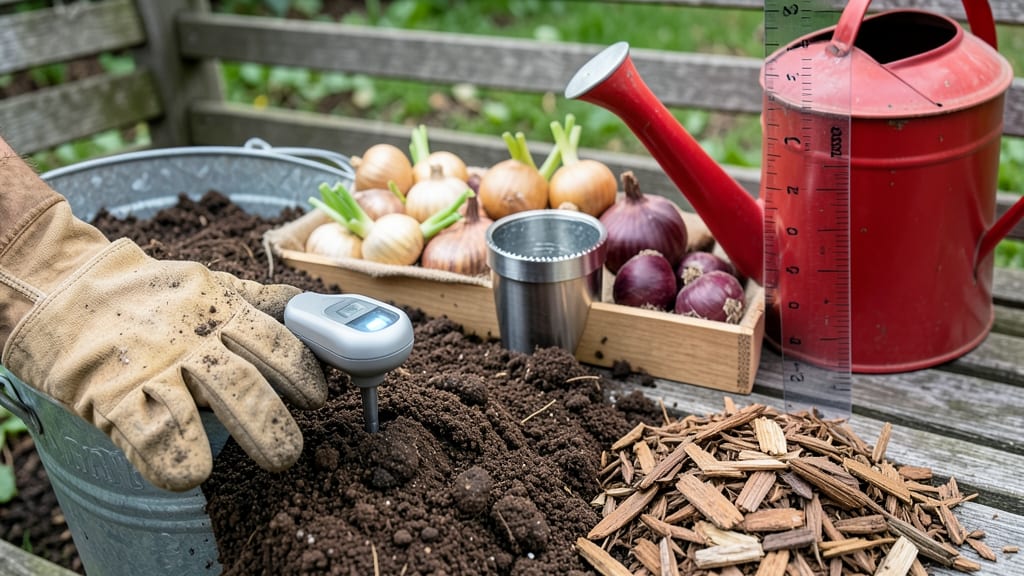
Pro tip: Use a soil thermometer to check for 40-50°F soil temps—this is the sweet spot for bulb planting. If temps drop below 40°F, roots may struggle to grow before winter. Mulch with 2-3 inches of straw or leaves after planting to insulate bulbs and retain moisture.
🌿
One mistake many Zone 4 gardeners make is planting too late in fall, hoping for a quick root start. But bulbs need time to establish roots before winter.
If you miss the fall window, don’t panic—you can still plant in early spring, but expect smaller blooms that season. The trade-off? Spring-planted bulbs often rebloom more reliably in subsequent years because they avoid rodent damage (a common issue with fall-planted bulbs).
For container gardening in Zone 4, plant bulbs in late fall and move pots to a garage or cold frame before frosts hit. This protects them from extreme cold while still allowing root growth. In-ground bulbs, however, benefit from natural insulation from the soil, so they’re generally easier to overwinter.
How to adjust planting time for early vs. late Zone 4 frost dates
Zone 4’s frost dates vary dramatically—Buffalo’s first frost hits by October 1, while Chicago’s lingers until October 15. These differences mean your fall planting window could shift by weeks, making soil temperature checks essential.
Use a soil thermometer to confirm 60°F soil before planting; colder soil slows root growth.
For northern Zone 4 (e.g., Minneapolis), aim to plant bulbs by mid-September—earlier than southern areas like Cincinnati, where late October works. This adjustment ensures roots establish before the ground freezes, preventing rot and weak blooms.
Missed the fall window? Spring planting is possible for hardy varieties like daffodils and crocuses. Plant them as soon as soil is workable (usually March-April), but expect smaller blooms compared to fall-planted bulbs.
Planting too late in fall risks frozen roots. If soil temps drop below 40°F before roots establish, bulbs may fail to bloom next spring. Use mulch (3-4 inches) to insulate planted beds.
For tropical bulbs (e.g., cannas), never plant outdoors in Zone 4—they lack cold hardiness. Grow them in containers and overwinter indoors.
Local microclimates matter too. South-facing slopes warm faster than shaded areas, extending your planting window by 1-2 weeks. Test your garden’s frost risk by tracking 3 years of frost dates—online USDA frost maps are a starting point, but your yard may differ.
Adjust depth based on frost depth: in northern Zone 4, plant bulbs 8-10 inches deep for insulation, while southern Zone 4 allows 6-8 inches. Deeper planting also protects bulbs from rodent damage, a common issue in snowy regions.
If your area has unpredictable frost, opt for early-blooming varieties like crocuses or snowdrops—they tolerate colder soils better than tulips. Always plant after the first hard frost but before ground freeze for best results.