
Plants
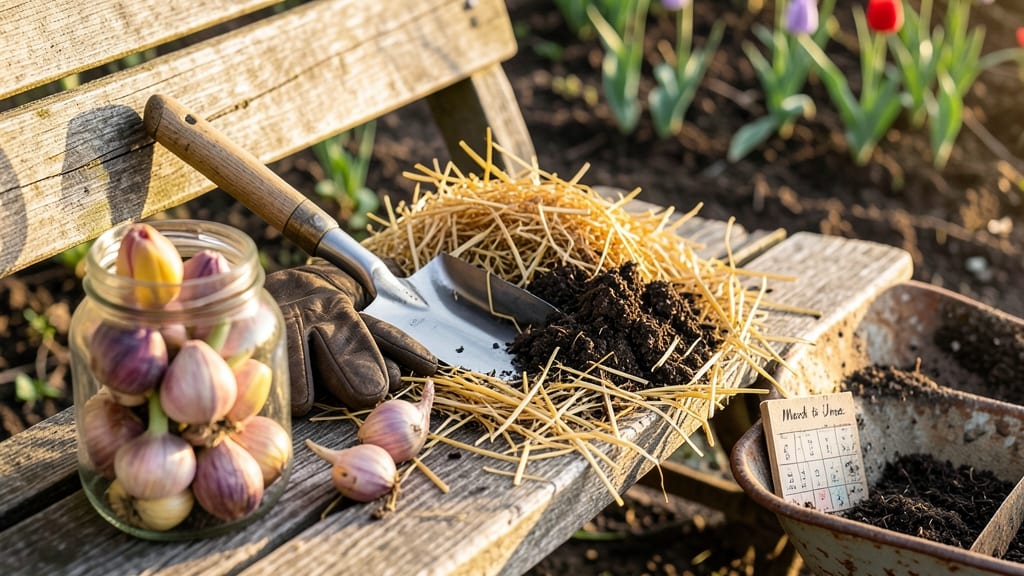
Planting tulip bulbs in Australia at the wrong time could mean waiting years for those dreamy 🌷 blooms—or worse, never seeing them at all. Unlike Northern Hemisphere gardeners, Australians must work with our inverted seasons, where fall planting (not spring!) is the golden rule for most regions.
But here’s the catch: whether you’re in frost-prone Melbourne or subtropical Brisbane, the best months shift dramatically. Get it wrong, and you’ll battle heat stress, poor root development, or even bulb rot.
I’ll break down the exact timing for your climate zone—plus soil secrets and care tips—to guarantee those vibrant spring displays you’ve been dreaming of.
Southern Australia? Aim for August–September when soil cools but frosts haven’t arrived. Northern gardeners? May–June works best before summer’s scorching heat sets in. The key lies in understanding your region’s microclimate—because a 2-week difference can mean the difference between thriving tulips and a gardening gamble.
Ready to transform your garden? Let’s dive into the step-by-step guide that’ll have your tulips popping up like clockwork—no guesswork, just stunning results. Your future spring blooms will thank you!
Best planting months for tulip bulbs in Australia by climate zone
Australia’s climate zones create unique planting windows for tulip bulbs. Unlike northern hemisphere gardeners, we plant in fall (autumn) to ensure blooms arrive in spring. The key is timing bulbs to 4-6 weeks before frost in your region, but Australia’s varied climates mean no one-size-fits-all solution.
Southern Australia’s cooler climates (like Tasmania and Victoria) have earlier frost risks, while northern regions (Queensland, Northern Territory) can plant in late winter. Even within states, microclimates matter—coastal areas may differ from inland zones by 3-4 weeks. Let’s break down the ideal planting months for each zone.
For Tasmania and alpine regions, aim for July planting—these areas experience earlier frosts and cooler soils. In contrast, Northern Queensland can plant as late as June due to milder winters.
Always check your local last frost date (e.g., Sydney’s average is June 15, while Melbourne’s is May 15).
Pro tip: Use soil thermometers to confirm 10–15°C soil temps before planting. Tulip bulbs need cool roots to establish properly. If your soil is still warm (above 18°C), wait 2–3 weeks or plant in shadier spots.
In coastal areas like Byron Bay or Margaret River, humidity can cause bulb rot. Amend soil with sand or perlite for better drainage. For inland regions (e.g., Wagga Wagga or Kalgoorlie), focus on water retention by adding organic matter like compost or aged manure.
Remember: Spring-blooming tulips (most varieties) need cold dormancy. If you’re in a warmer microclimate (e.g., Adelaide’s foothills), choose dwarf varieties like ‘Tiny Tim’ or ‘Ice Cream’—they tolerate milder winters better.
🌷
How to adjust tulip planting for Australia’s unpredictable weather patterns
Australia’s weather can be as unpredictable as a kangaroo’s hop—one minute it’s mild and perfect, the next it’s either scorching hot or freezing cold. For tulips, this means late frosts in Victoria, early heatwaves in NSW, or even unexpected downpours that can drown your bulbs.
The key is flexibility and knowing how to protect your tulips when Mother Nature throws a wobbly.
In regions like Perth or Adelaide, summer heat can arrive early, baking the soil before your tulips even sprout. Meanwhile, Melbourne and Canberra might surprise you with late frosts in June or July, which can damage emerging shoots.
The solution? Adjust your planting timeline by 2-4 weeks earlier or later based on local forecasts.
Here’s how I handle it: I check the Bureau of Meteorology’s frost and heatwave alerts 2-3 weeks before my target planting date. If late frosts are forecasted, I delay planting by 10-14 days.
If early heat is expected, I plant 4 weeks earlier to give roots time to establish before the soil heats up.
Late Frosts & Early Heat: Your Tulip’s Worst Enemies
Planting too early in frost-prone areas (e.g., Alpine regions or Tasmania) risks bulb rot from prolonged cold. Conversely, planting too late in hot climates (e.g., Brisbane or Darwin) leads to heat stress before roots establish. Always aim for soil temps between 10-15°C—use a soil thermometer if unsure!
🌡️ Pro Tip:
Test soil temperature at 10cm depth—if it’s below 10°C, wait; if above 20°C, plant earlier or use shade cloth.
Mulching is your best friend when it comes to temperature swings. Apply a 5-7cm layer of organic mulch (like straw or wood chips) after planting to insulate bulbs from heat spikes and frost dips.
In subtropical zones (e.g., Gold Coast), mulch also helps retain moisture during dry winters.
For extreme climates, consider shade cloth or row covers during unexpected heatwaves. Even a 30% shade cloth can reduce soil temperature by 5-10°C, giving your tulips a fighting chance. In humid areas like Cairns, ensure your planting site has good drainage to prevent bulb rot from excessive moisture.
Finally, monitor your tulips closely after planting. If shoots emerge but sudden frost is forecasted, cover them with hessian sacks or old blankets to protect tender growth. With these adjustments, you’ll outsmart Australia’s weather and enjoy show-stopping blooms every spring—no matter where you garden! 🌷