
Trees
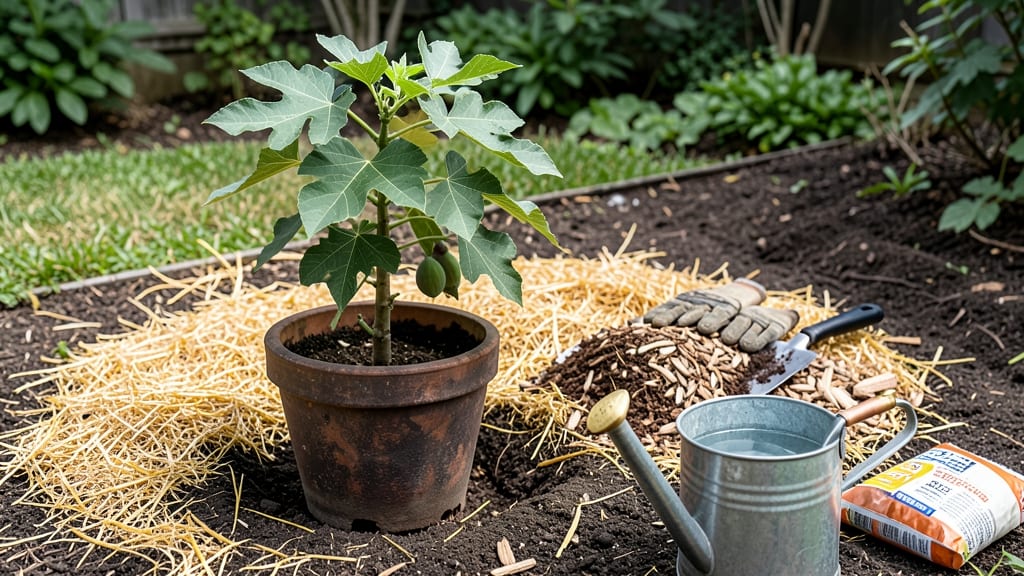
If you're dreaming of a backyard bursting with sweet, sun-ripened figs 🍈, timing your fig tree planting in Georgia could make all the difference between a thriving orchard and a struggling sapling.
Georgia's mild winters and long summers create the perfect conditions for figs, but planting them at the wrong time can leave your tree vulnerable to frost or pests.
The best window to plant fig trees in Georgia is late winter to early spring (February-March) or early fall (September-October), when temperatures are mild and the soil is workable. These timing strategies help your tree establish strong roots before facing Georgia's heat or cold extremes.
Whether you're planting bare-root saplings or container-grown trees, understanding your specific zone (7b-8b) will help you fine-tune the perfect planting schedule.
What makes Georgia particularly special for fig growing is its diverse microclimates - from coastal areas to inland valleys.
Urban gardeners in Atlanta might face different soil challenges than rural farmers in Savannah, but the basic principle remains: plant when the ground is warm enough to encourage root growth without overwhelming the young tree. Let's explore how to make the most of Georgia's growing seasons for your fig trees.
You'll discover how to prepare your soil, choose the right varieties for your climate, and create a care schedule that sets your fig trees up for success.
With the right timing and a little know-how, you could be enjoying homegrown figs in just a few seasons. Let's get started on your fig-growing journey!
Georgia’s ideal fig tree planting windows by hardiness zone
Georgia’s USDA hardiness zones 7b-8b create perfect conditions for fig trees, but timing matters. Planting too early risks frost damage, while late planting delays root establishment. The ideal windows are late winter to early spring and early fall, aligning with Georgia’s microclimates and frost-free periods.
For container-grown figs, you can plant as early as February in zone 8b (coastal areas), while inland zones like Athens (7b) should wait until March 15. Bare-root figs need slightly later planting—aim for April 1—to avoid root desiccation in Georgia’s drying spring winds.
Fall planting offers a second chance, especially for cold-sensitive varieties like 'Celeste' or 'Brown Turkey'. Plant September 1-15 in zone 8b or October 1-15 in zone 7b. This allows roots to establish before winter dormancy begins.
Urban gardeners in Atlanta or Savannah face unique challenges—heat islands can delay frost, while clay soils slow drainage. Adjust planting dates by 2-3 weeks later in urban areas to account for these factors.
Fig trees thrive in Georgia’s 220+ frost-free days, but early spring plantings risk late frost damage. Monitor local frost date forecasts and plant 4-6 weeks before the last expected frost in your zone.
🌱 Georgia Fig Tree Planting Schedule by Zone
| Zone | Best Planting Window | Container-Grown | Bare-Root | Fall Alternative |
|---|---|---|---|---|
| 7b (Athens, Macon) | March 15-April 15 | March 1-April 1 | April 1-April 15 | October 1-October 15 |
| 8a (Columbus, Augusta) | February 28-March 31 | February 15-March 15 | March 15-April 1 | September 15-October 1 |
| 8b (Savannah, Brunswick) | February 15-March 15 | February 1-March 1 | March 1-March 15 | September 1-September 15 |
✅ Pro Tip: Test soil temperature—wait until it reaches 60°F+ for container plantings.
Georgia’s coastal zones (8b) benefit from earlier plantings, while inland areas (7b) should prioritize root establishment over early growth. For container figs, use well-draining pots and plant 2-3 weeks earlier than bare-root to avoid transplant shock.
Cold-hardy varieties like 'Chicago Hardy' can handle zone 7a with proper mulching and winter protection. Wrap the trunk with burlap and add 6 inches of mulch to insulate roots during Georgia’s rare freezing events.
Urban gardeners with limited space should opt for dwarf varieties like 'Little Miss Figgy' and plant in large containers. Move containers to garages or patios during extreme heat waves (common in July-August) to prevent root stress.
After planting, water deeply and apply 2-3 inches of mulch to retain moisture. Monitor for aphids or fig mosaic virus, which thrive in Georgia’s humid summers. Regular pruning in late winter encourages stronger fruit production.
Signs your Georgia soil is ready for fig trees (and how to fix it)
Before planting your fig trees in Georgia, checking your soil’s readiness is just as critical as timing. Figs thrive in well-draining, slightly alkaline soil (pH 6.0-7.0), but Georgia’s varied landscapes—from clay-heavy Atlanta to sandy coastal areas—can throw curveballs.
Start by testing your soil’s drainage and pH; poor drainage or acidic soil will stress young trees and invite root rot.
Dig a hole 12 inches deep and fill it with water. If it drains in under an hour, your soil is ready. If water pools, amend with organic matter like compost or coarse sand to improve aeration.
Georgia’s clay soils (common in metro areas) benefit most from this step, while coastal regions may need extra organic material to retain moisture.
🌱
⚠️ Warning: Georgia’s Clay Soil Pitfalls
Clay-heavy soils in Atlanta and Augusta compact easily, suffocating roots. Amend with 50% compost and 30% perlite before planting. Avoid tilling wet clay—it worsens compaction.
🌧️ Test Tip: Perform the "squeeze test"—if soil forms a tight ball when moist, it’s too clay-heavy.
Georgia’s southern coastal areas (like Savannah) often have sandy soil that drains too quickly. Mix in 2-3 inches of peat moss or well-rotted manure to boost nutrient retention. For acidic soil (common in pine forests), add crushed limestone to raise the pH gradually over 2-3 months.
Another key sign of readiness? Worm activity. Healthy soil teems with earthworms—dig up a handful and check. Few worms? Add compost or leaf mold to invite beneficial microbes.
Figs also love slightly rocky soil, mimicking their Mediterranean roots, so consider adding small gravel to the planting hole for better drainage.
Finally, time your soil prep with planting. For spring plantings, amend soil 4-6 weeks before the last frost (mid-March in most of Georgia). For fall plantings, prep in early September to give roots time to establish before winter.
Mulch with wood chips or straw to stabilize soil temperature and moisture.
With these adjustments, your Georgia soil will mimic the Mediterranean conditions figs crave—setting the stage for a thriving tree. The effort now means fewer headaches (and more figs!) in seasons to come. 🌿