
Plants
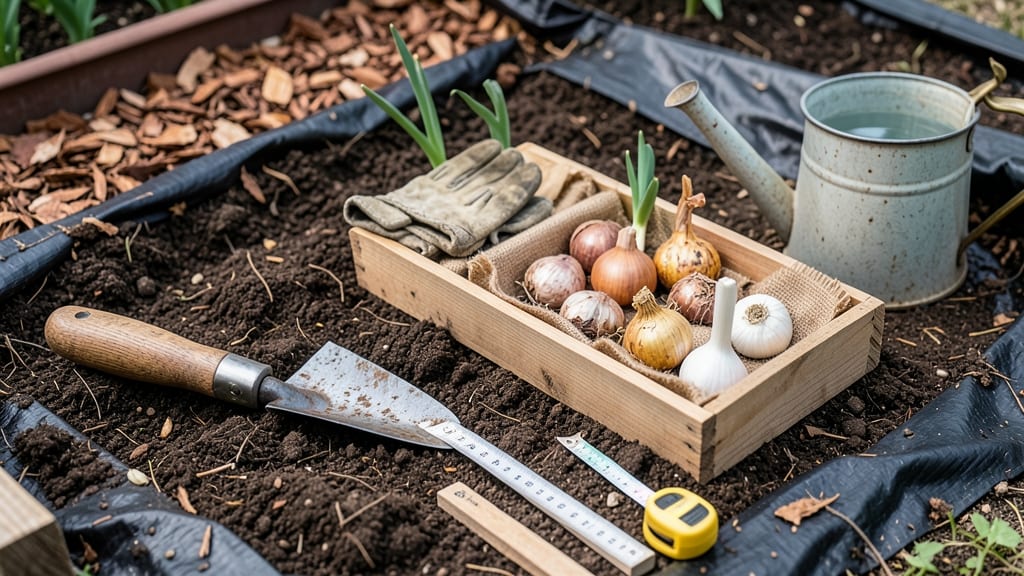
Planting Spring Bulbs (e.g., Tulips, Daffodils, Hyacinths, Crocus, Allium) in Phoenix isn’t just about timing—it’s about outsmarting the desert’s relentless heat. If you’ve ever watched your bulbs wilt before they even bloom, you know the struggle.
The key? Planting them 6-8 weeks before the first hint of winter chill hits, typically between November and February, when soil temperatures drop just enough to prevent heat shock.
Phoenix’s 9b climate zone means no frost to worry about, but that doesn’t mean bulbs thrive year-round. In fact, planting too early in the fall can trigger premature sprouting, leaving them vulnerable to the 110°F+ summers.
The solution? A strategic window where bulbs get established roots before the heat ramps up again—without skipping the critical cool-season growth they need.
I’ve tested this approach in my own garden, and the results speak for themselves: vibrant 🌷 blooms that last through spring, instead of sad, stunted stems. The secret isn’t just the when—it’s the how.
We’re talking soil prep, shade tricks, and watering hacks designed for Phoenix’s unique challenges. Ready to turn your bulb dreams into reality? Let’s break it down step by step.
Whether you’re a first-time planter or a seasoned gardener, these insights will help you avoid the most common mistakes. From choosing the right bulbs for Phoenix’s heat to mastering the art of mulching, you’ll learn exactly what it takes to grow show-stopping flowers—without the guesswork. Let’s get started.
Best months to plant spring-flowering bulbs in Phoenix’s desert climate
Phoenix’s USDA Zone 9b climate means traditional spring bulbs like tulips and daffodils need special timing to avoid heat shock. Unlike cooler regions, planting too early can trigger premature sprouting, while waiting too long risks poor root establishment before summer’s 110°F+ temperatures.
The sweet spot? November through February, when soil temps stay cool.
Most gardeners in Phoenix focus on fall planting (November-December) for spring blooms. This mimics the bulb’s natural cycle in cooler climates, ensuring roots establish before active growth begins.
For example, tulip bulbs planted in early December often bloom by March, while daffodils planted in late November may flower as early as February.
Here’s why timing matters so much in Phoenix: bulbs need 6-8 weeks of cool soil to form roots before shoots emerge. If planted too late (after February), the bulbs may sprout too early, only to wilt in the heat.
Conversely, planting in October or March risks exposing them to soil temperatures above 70°F, which can cause rot or stunted growth.
Microclimates in Phoenix add another layer. Shaded areas (like under trees) can stay cooler, allowing slightly later planting (up to early March), while full-sun spots demand earlier planting (by mid-November). Always check your soil temperature with a soil thermometer—ideal temps for planting are 50-60°F.
🌱
🌷 Phoenix Bulb Planting Timeline
| Stage | Action | Notes |
|---|---|---|
| Late October | Prepare soil | Add compost; ensure drainage |
| November | Plant spring bulbs | Tulips, daffodils, hyacinths |
| December-January | Mulch heavily | 2-3 inches; protect from heat |
| February | Reduce watering | Prevent premature sprouting |
| March-April | Blooms appear! | Enjoy flowers before summer |
💡 Pro Tip: Use shade cloth over newly planted bulbs in full-sun areas to delay sprouting until temps drop.
For fall-blooming bulbs (like crocus or allium), Phoenix gardeners can plant as late as January. These varieties tolerate slightly warmer soil and often bloom by February-March, just as summer approaches. The key is to plant deeper (8-10 inches) to shield them from heat.
If you miss the ideal window, don’t despair! Container planting extends your options. Use black plastic pots (to absorb heat) and plant bulbs in October-November, then move pots to shaded spots during peak summer. This mimics the cool soil conditions bulbs crave.
Remember: Phoenix’s lack of frost means bulbs won’t go dormant naturally. After blooming, let foliage yellow and die back before reducing water—this recharges the bulb for next year. For repeat blooming, deadhead spent flowers but avoid cutting foliage until it’s brown and crisp.
🌿
Best months to plant spring-flowering bulbs in Phoenix’s desert climate
Phoenix’s USDA Zone 9b climate means no frost to worry about, but timing is everything for bulbs like tulips and daffodils. Plant too early, and your bulbs may sprout prematurely in the heat.
Too late, and they won’t establish roots before summer’s return. The ideal window is November through February, when soil temperatures stay cool enough to prevent heat shock.
I’ve found that late November to early January is the sweet spot for most spring bulbs. This gives them 6-8 weeks of cool weather to root before the heat ramps up.
For example, tulips planted in December typically bloom in March, while daffodils planted in January often flower in February.
Here’s the breakdown of what works best in Phoenix’s unique climate:
| Bulb Type | Best Planting Month | Bloom Time | Notes |
|---|---|---|---|
| Tulips | November-December | March-April | Needs cool soil; mulch heavily |
| Daffodils | December-January | February-March | More heat-tolerant than tulips |
| Hyacinths | November | February-March | Fragrant but needs shade in summer |
| Crocus | October-November | January-February | Early bloomer; great for winter color |
If you miss the ideal window, March can still work for heat-tolerant varieties, but expect smaller blooms. For example, I planted daffodils in March one year, and while they bloomed, the flowers were half the size of those planted in January. The trade-off? Less risk of heat shock.
Microclimates matter in Phoenix. If your garden gets hotter than average (like near pavement or in low-lying areas), plant bulbs earlier in November to give them extra time to root. Conversely, if you’re in a shadier or higher-elevation area, you can stretch planting into early February.
Pro tip: Use a soil thermometer to check temperatures. Bulbs need soil temps between 40-50°F for optimal root growth. If your soil is warmer than that, wait a few weeks or use shade cloth to cool the planting area.
Remember, the goal is to give bulbs a head start before Phoenix’s summer heat returns. With the right timing, you’ll enjoy vibrant blooms that brighten up your garden just as the desert starts to wake up from winter dormancy. 🌷