
Plants
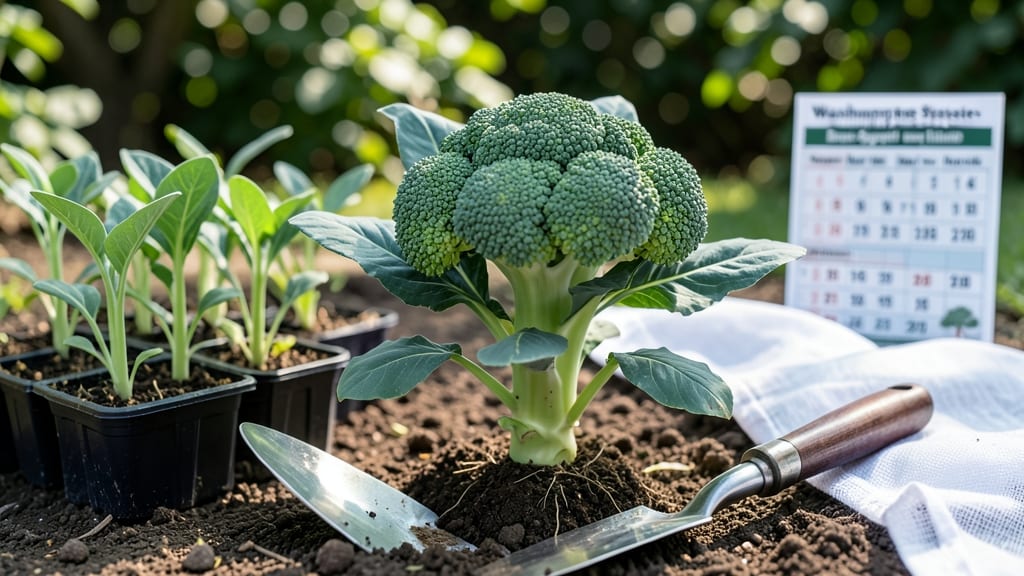
Timing your 🥦 broccoli planting in Washington State isn’t just about the calendar—it’s about outsmarting your local climate. Whether you’re in Seattle’s damp coastal zone or Spokane’s drier inland area, getting those seeds in the ground at the wrong time can mean wilted plants or missed harvests.
The key? Understanding your USDA zone (6b-8a) and working with your region’s unique frost dates to maximize your garden’s potential.
Spring planting in Washington typically kicks off in March or April, but the exact window depends on whether you’re battling late frosts in the Cascades or milder coastal conditions. Meanwhile, fall planting in August or September can extend your harvest well into October—if you time it right.
I’ll break down the best strategies for each zone, so you can avoid common pitfalls like planting too early in frost-prone areas or missing the sweet spot for summer-ready crops.
What makes this even more critical is that broccoli thrives in cool weather but struggles when temperatures climb. In Zone 7b (Seattle), you’ve got a narrower window to work with than in Zone 8a (Vancouver), where summers are warmer.
By the end of this guide, you’ll know exactly when to start seeds indoors, when to transplant, and how to stagger plantings for a continuous supply of homegrown 🥦 broccoli all season long.
Ready to turn your garden into a broccoli powerhouse? Let’s dive into the exact dates, variety recommendations, and pro tips that will give you the best harvests Washington State has to offer—no guesswork required.
Washington State broccoli planting zones & exact dates by region
Washington State’s climate varies dramatically from the cool, wet coastal zones to the drier, warmer inland valleys. These differences mean your broccoli planting schedule should adjust based on your specific USDA hardiness zone and microclimate.
For example, Seattle’s Zone 7b has a last frost date of March 15, while Spokane’s Zone 6b typically sees its last frost around April 15. Understanding these nuances ensures your broccoli thrives from seed to harvest.
Most gardeners in Washington plant broccoli in two main windows: early spring (for summer harvests) and late summer (for fall harvests). Spring plantings should occur 4-6 weeks before your last frost date, while fall plantings need to go in 90-100 days before the first frost.
This timing prevents bolting (premature flowering) and maximizes your yield before cold weather sets in.
Here’s how to align your planting with Washington’s three key regions: Western (coastal), Central (Puget Sound), and Eastern (inland). Each has unique frost patterns and ideal transplant dates that can extend your harvest season by months.
For Western Washington, where cooler temperatures linger longer, start seeds indoors in February and transplant outdoors by March 15. This gives your broccoli enough time to establish roots before summer heat arrives.
In contrast, Eastern Washington’s warmer springs mean you can wait until April 1 to transplant, avoiding the risk of frost damage to young seedlings.
If you’re planting for a fall harvest, aim to transplant seedlings by August 1 in Western WA or July 15 in Eastern WA. This timing ensures your broccoli matures before the first frost, typically around mid-October in the West and mid-November in the East.
For a continuous harvest, consider succession planting every 2-3 weeks during your region’s ideal window.
Washington’s microclimates can also affect your planting success. For example, areas near large bodies of water (like Lake Washington) may have later frost dates than inland spots just miles away. Always check local WSU Extension resources or Almanac frost charts for the most accurate dates in your specific area.
One pro tip: Use row covers or cold frames to extend your spring planting window by 2-3 weeks. This is especially useful in Zone 6b areas like Spokane, where late frosts are common. Just remove the covers once your plants are established to prevent overheating.
For gardeners in Zone 8a (like Vancouver, WA), you can even try year-round broccoli production by planting heat-tolerant varieties in late summer and using shade cloth during peak summer months to prevent bolting. This strategy maximizes your garden’s productivity and ensures fresh broccoli on your table nearly every season.
Remember, broccoli is a cool-season crop, so it thrives when daytime temperatures stay below 75°F. If summer heat arrives early, opt for shorter-day varieties or provide afternoon shade to keep your plants happy and productive.
Best broccoli varieties for Washington’s climate & their planting windows
Choosing the right 🥦 broccoli variety for Washington State is half the battle—especially when your garden swings between cool coastal breezes and inland heat waves. Cold-tolerant types like 'Waltham 29' thrive in Seattle’s damp springs, while heat-resistant varieties such as 'De Cicco' handle Spokane’s summer dryness better.
The key? Match your variety to your microclimate and planting window to avoid bolting (premature flowering) or stunted growth.
For spring planting (March-April), prioritize cold-hardy varieties like 'Green Goliath' or 'Calabrese', which handle late frosts better than heat-sensitive types. In Zone 7b (Seattle), these varieties can even tolerate light frosts after transplanting.
Meanwhile, fall plantings (August-September) in Zone 8a (Vancouver) benefit from 'Belstar' or 'Wynter', which mature quickly before winter sets in.
Staggered planting is your secret weapon in Washington’s unpredictable climate. Start with early varieties (50-60 days to harvest) like 'Early Purple' in March, followed by mid-season types (60-70 days) like 'Packman' in April.
For fall, add 'Late Summer Giant' in August to extend your harvest into November. This strategy ensures you’re never without fresh homegrown broccoli—even when summer heat or winter chills threaten your crop.
| Variety | Days to Harvest | Best Planting Window | Climate Fit |
|---|---|---|---|
| Waltham 29 | 60-70 days | March-April (spring) or August (fall) | Coastal, cold-tolerant |
| De Cicco | 50-60 days | April-May (spring) or September (fall) | Inland, heat-resistant |
| Belstar | 65-75 days | August-September (fall) | All zones, bolt-resistant |
| Packman | 55-65 days | April (spring) or July (fall) | Coastal to inland |
Pro tip: If you’re growing in containers, opt for compact varieties like 'Green Magic' (dwarf type) to save space. These work well in urban gardens or balconies, even in Zone 7b, as long as you provide consistent moisture and afternoon shade during summer heat waves.
Just remember—containers dry out faster, so check soil moisture daily.
For succession planting, sow new seeds every 2-3 weeks after your initial planting. This keeps your harvest steady and reduces the risk of losing an entire crop to pests or disease.
In Washington’s short growing season, every extra week counts—especially in Zone 6b (Spokane), where summers are brief. By mixing varieties and planting times, you’ll enjoy fresh broccoli from May through November—no grocery store required.
Don’t overlook local seed sources like Washington State University Extension or Territorial Seed Company, which offer varieties bred for Pacific Northwest conditions. Their seeds are already adapted to your climate, so you’ll spend less time troubleshooting and more time enjoying your harvest. Happy planting!