
Plants
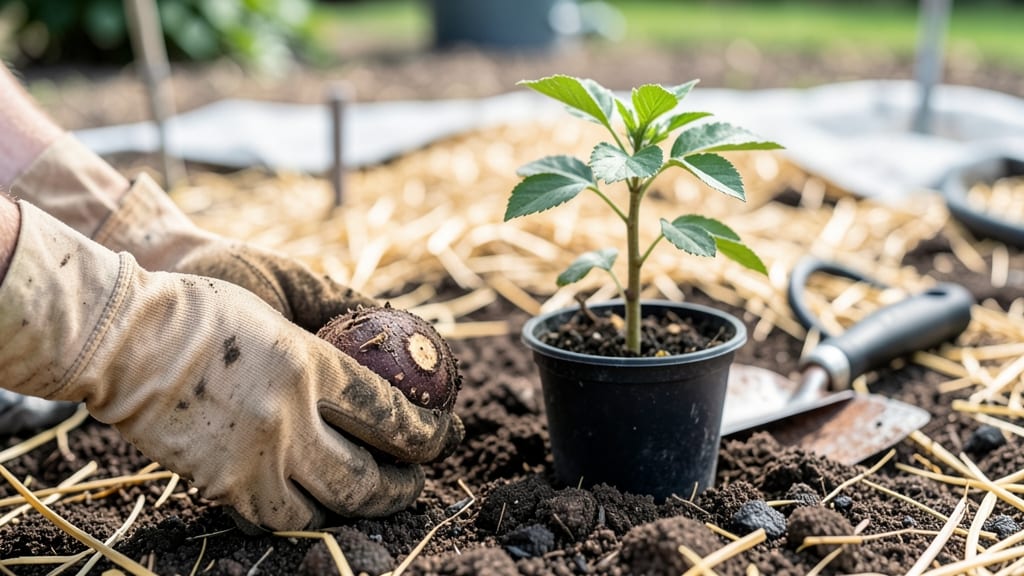
Timing your dahlia planting in Washington State can feel like a guessing game—one wrong move, and your 🌼 dahlias might bolt or wilt before they even bloom.
But here’s the secret: the difference between a stunning summer display and a sad, stunted plant often comes down to knowing exactly when to plant in your specific zone.
Washington’s climate varies wildly from the 7b chill of the Puget Sound to the warmer 9a stretches of Eastern WA, and frost dates shift dramatically depending on where you’re digging in.
Plant too early, and a late frost will fry your tubers. Wait too long, and you’ll miss the 60°F soil temperature sweet spot that signals it’s go-time for dahlias.
I’ve grown dahlias in WA for years, and I’ll show you the exact frost-free windows for your zone—plus pro tips to prep your soil, treat your tubers, and give your plants the head start they need.
Whether you’re a first-time gardener or a seasoned grower, you’ll leave here with a clear plan to turn your garden into a dahlia paradise.
Ready to skip the trial-and-error? Let’s dive into the perfect planting timeline for Washington’s zones, so you can enjoy those showstopping blooms from July right through October.
Washington State dahlia planting dates by USDA Zone: frost-free windows explained
Washington State spans USDA Zones 7b through 9a, meaning frost dates vary dramatically from the Puget Sound to the Columbia Basin. In Zone 7b (e.g., Spokane), last frost typically hits April 15, while Zone 9a (e.g., Yakima) sees frost-free conditions by March 15.
Understanding these windows ensures your dahlias thrive without frost damage.
For Puget Sound gardeners (Zone 8a-8b), like those in Seattle or Bellingham, aim to plant dahlias after May 1—when soil temperatures consistently reach 60°F.
Eastern WA, including Zone 7b areas like Wenatchee, can plant 2-3 weeks earlier, around mid-April, thanks to warmer daytime temps and cooler nights.
In Zone 9a (e.g., Walla Walla or Tri-Cities), you can start as early as late March, but watch for late frosts—especially in microclimates near water bodies. Always check local frost data from sources like the WA State University Extension for precise timing.
Soil temperature is just as critical as air temperature. Dahlias won’t sprout until soil warms to 60°F. Use a soil thermometer to confirm readiness—planting too early in cold soil leads to rotten tubers and stunted growth.
🌱 Washington State Dahlia Planting Windows by Zone
| Zone | Last Frost Date | Ideal Planting Window | Soil Temp Threshold | Notes |
|---|---|---|---|---|
| 7b (Spokane, Wenatchee) | April 15 | Mid-April to May 1 | 60°F | Earlier starts possible in sheltered microclimates. |
| 8a (Seattle, Bellingham) | May 1 | May 15 to June 1 | 60°F | Puget Sound’s marine influence delays soil warming. |
| 8b (Olympia, Portland OR border) | April 20 | Late April to May 10 | 60°F | Warmer inland areas can plant slightly earlier. |
| 9a (Yakima, Walla Walla) | March 15 | Late March to April 15 | 55°F (earlier starts possible) | Dry climate allows earlier planting; mulch to retain warmth. |
🌡️ Pro Tip: Use a soil thermometer to confirm readiness—planting too early in cold soil causes rot.
If you’re in Zone 7b or 8a, consider pre-sprouting tubers indoors in late February to get a head start. Place them in a bright, warm spot (70°F) and plant outdoors once sprouts reach 3-4 inches tall. This extends your blooming season by 3-4 weeks compared to direct planting.
For late bloomers, like ‘Café au Lait’ or ‘Thomas Edison’, delay planting until late May to avoid early-season frost damage. These varieties also benefit from afternoon shade in hotter inland zones like Zone 9a.
Remember, Washington’s marine influence (especially near the coast) can delay soil warming. In Zone 8a, wait until mid-May to plant—even if air temps feel warm. Test your soil with a thermometer for accuracy.
Once planted, mulch heavily (3-4 inches) to protect tubers from temperature swings. In Eastern WA, nighttime temps can drop 20
How to time dahlia tubers for maximum blooms: pre-sprouting vs. direct planting
Deciding whether to pre-sprout dahlia tubers indoors or plant them directly outside in Washington can make or break your blooming season.
In my experience, Zone 7b gardeners (like those in the Puget Sound) often benefit from pre-sprouting, while Zone 9a growers (like in Eastern WA) can sometimes plant tubers directly after the last frost. Let’s break down the best approach for your specific microclimate.
For pre-sprouting, start tubers indoors 6-8 weeks before your last frost date. In Western WA (Zone 7b), that means kicking off sprouts around mid-March, while Eastern WA (Zone 9a) can wait until late April.
Use a mix of potting soil and perlite to encourage root growth, and place tubers in a warm spot (around 65°F) with bright, indirect light.
- Pre-Sprouting: Start tubers indoors 6-8 weeks before last frost (Zone 7b: mid-March; Zone 9a: late April).
- Soil Mix: Use 50% potting soil + 50% perlite for aeration and drainage.
- Light Needs: Bright, indirect light (e.g., south-facing window or grow lights).
- Temperature: Keep tubers at 65-70°F for optimal sprouting.
- Hardening Off: Acclimate plants to outdoor temps 7-10 days before transplanting.
- Direct Planting: Plant tubers outdoors when soil reaches 60°F (typically late April-mid-June).
- Depth: Bury tubers 4-6 inches deep with the "neck" (smallest part) just above soil.
- Spacing: 12-18 inches apart for dwarf varieties; 24+ inches for tall types.
- Mulch: Apply 2-3 inches of mulch to retain moisture and regulate soil temp.
- Best For: Zones 8-9a with longer growing seasons (e.g., Yakima, Wenatchee).
If you choose direct planting, wait until the soil temperature hits 60°F—usually late April to mid-June in Washington. This method works best in warmer zones (8-9a), where the risk of late frosts is lower.
Plant tubers 4-6 inches deep, spacing them 12-18 inches apart (or wider for larger varieties). In my Zone 7b garden, I’ve found that direct planting often results in slower initial growth, but it’s a great low-maintenance option for busy gardeners.
One critical step for both methods is hardening off pre-sprouted tubers. About 7-10 days before transplanting, move your potted tubers outside during the day and bring them in at night.
This helps them adjust to Washington’s variable weather, including sudden temperature drops. I’ve seen tubers wilt dramatically if skipped—don’t make that mistake!
Pro tip: If you’re in a transition zone (like Zone 7b-8a), consider a hybrid approach. Start tubers indoors early (mid-March) but plant them outdoors a week or two after your last frost date.
This gives you the best of both worlds: early growth from pre-sprouting and frost protection from the ground. It’s how I’ve achieved July blooms in Seattle year after year.
Remember, dahlias are heavy feeders, so after planting (whether pre-sprouted or direct), add a balanced fertilizer (5-10-10) to the soil. This gives your tubers the nutrients they need to establish roots quickly and produce those showstopping blooms you’re dreaming of.
With the right timing, your dahlias will reward you with colorful blooms from July through October—just in time for fall garden parties!