
Plants
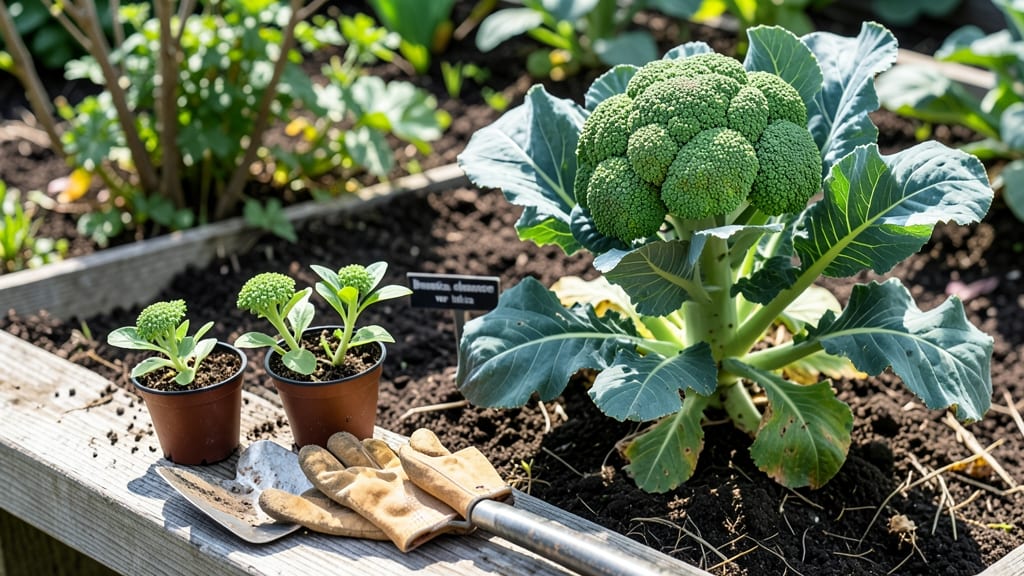
Timing your fall broccoli planting in North Carolina can feel like solving a puzzle—get it wrong, and you might end up with bolted greens or frost-nipped heads before harvest.
The good news? With the right dates and a few smart adjustments, you can grow 🥦 broccoli that thrives in NC’s cooler months, even when temperatures start to dip.
Most gardeners in NC’s USDA Zones 7a-8b aim to plant broccoli between mid-August and early September, but the exact window depends on your specific zone and local microclimate. Too early, and the heat will stress young plants; too late, and frost could cut your harvest short.
I’ll break down the precise dates for each zone so you can avoid these common mistakes and maximize your garden’s potential.
Beyond the calendar, success hinges on understanding NC’s fall quirks—like sudden heatwaves or early frosts—that can throw off even the most experienced growers. You’ll also learn how to choose the best cold-hardy varieties and when to start seeds indoors for a longer harvest window.
Whether you’re a seasoned gardener or just starting out, these insights will help you grow broccoli that’s healthier, bigger, and ready to pick when you need it most.
Ready to transform your fall garden into a broccoli powerhouse? Let’s dive into the exact planting dates, soil prep tips, and variety recommendations that will set you up for a bold, bountiful harvest—no guesswork required.
NC fall broccoli planting dates by USDA hardiness zones (7a-8b)
North Carolina’s fall season offers perfect conditions for growing cold-hardy broccoli, but timing depends heavily on your USDA zone. Zones 7a-8b experience different frost risks, so I’ve mapped out precise planting windows to maximize your harvest before winter sets in.
The key is planting early enough for mature heads before first frost dates, which typically range from late October to mid-November across NC.
For Zone 7a (western NC mountains), your last frost date is usually around October 20-30, giving you a shorter window. In Zone 8b (coastal NC), you might enjoy harvests until December 1 if protected.
I recommend starting with transplants rather than direct seeding for fall, as they establish faster in cooler soil.
Here’s the critical rule: Broccoli needs 75-90 days to mature, so count backward from your first frost date. For example, in Zone 7b, aim to transplant by September 15 to harvest by December 10.
Soil temperature should stay above 40°F for optimal growth, but seedlings can tolerate brief dips into the 30s°F with row covers.
| Zone | Last Frost Date | Ideal Transplant Window | Harvest Window | Soil Temp Threshold |
|---|---|---|---|---|
| 7a | Oct 20-30 | Aug 20 - Sep 15 | Nov 1 - Dec 10 | 40°F+ |
| 7b | Oct 30 - Nov 10 | Aug 25 - Sep 20 | Nov 15 - Dec 15 | 40°F+ |
| 8a | Nov 10 - Nov 20 | Sep 1 - Sep 25 | Dec 1 - Jan 10 | 45°F+ |
| 8b | Nov 20 - Dec 1 | Sep 15 - Oct 5 | Dec 15 - Jan 20 | 45°F+ |
Pro tip: Use row covers or low tunnels to push harvests later into winter. I’ve successfully extended my Zone 7b harvests until January 15 using floating row covers after the first frost. Just remove them during the day to prevent overheating.
For direct seeding, plant seeds 4-6 weeks before your transplant window. For example, in Zone 8a, sow seeds around August 1 for transplants by September 1. Seeds need 50°F+ soil to germinate, so wait until late July for mountain zones and early August for coastal areas.
One mistake I see often is planting too late. If you miss the September 15 cutoff in Zone 7b, your broccoli may bolt before forming heads. Always verify your last frost date using local weather records or the NC State Climate Office for accuracy.
Finally, choose compact varieties like ‘De Cicco’ for fall planting—they mature faster and handle cooler temps better. I’ll cover the best varieties in the next section, but for now, focus on these dates to avoid disappointment.
Remember: Soil prep is just as critical as timing. Amend your beds with compost and a balanced fertilizer (10-10-10) before planting to give your broccoli a strong start.
How to adjust planting for NC’s fall weather patterns (and avoid common mistakes)
North Carolina’s fall season brings unpredictable weather shifts—from lingering summer heat to sudden early frosts—that can derail even the most careful broccoli plan. The key to success lies in flexible planting strategies and proactive adjustments based on your specific microclimate.
For example, mountain regions like Asheville (Zone 7a) may face frost by mid-October, while coastal areas like Wilmington (Zone 8b) often enjoy milder conditions until November.
One of the biggest mistakes gardeners make is planting too late without accounting for broccoli’s cold tolerance. While mature plants can handle 25-30°F temperatures, seedlings struggle below 40°F.
To mitigate this risk, I always start seeds indoors 6-8 weeks before my target outdoor date and use row covers for early transplants. This buffer gives young plants time to establish roots before winter sets in.
- Planting too early when soil temps exceed 85°F causes bolting
- Ignoring heatwaves in September can stress seedlings before frost arrives
- Skipping soil tests—fall’s acidic soils often need lime adjustments
- Overcrowding plants reduces airflow, increasing disease risk
For soil preparation, I recommend amending beds with compost and aged manure in early September to improve drainage—a critical factor when fall rains arrive. Test your soil’s pH (broccoli thrives at 6.0-7.0) and add pelletized lime if needed.
In my Zone 7b garden, I’ve found that adding a 2-inch mulch layer of straw helps maintain even soil temperatures and conserves moisture during dry spells.
When selecting between direct seeding and transplanting, I opt for transplants in fall because they give me a 4-6 week head start over seeds. However, if you’re seeding directly, choose fast-maturing varieties (like ‘Waltham 29’) that can reach harvest before winter.
Always harden off seedlings for 7-10 days before transplanting to prevent shock from temperature swings.
Protecting your broccoli from early frosts is non-negotiable in NC’s fall garden. I use floating row covers for light frosts (28-32°F) and low tunnels for harder freezes (25°F).
For extended protection, consider cold frames or even moving potted plants to a sheltered location. Remember: broccoli can survive light frosts but won’t tolerate prolonged freezing—plan your harvest timeline accordingly.
Finally, monitor your garden’s microclimate conditions closely. A south-facing bed warms up faster than a north-facing one, while areas near large trees may experience earlier frost pockets.
By adjusting your planting dates 1-2 weeks earlier in cooler microclimates and using season extension tools, you can push your harvest window well into late fall—sometimes even through Christmas in milder NC zones.