
Plants
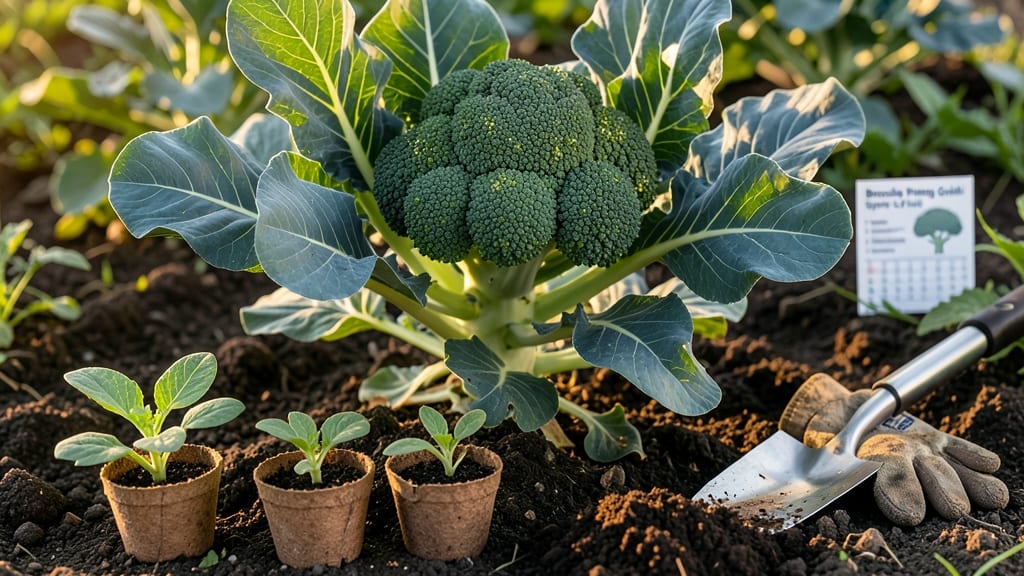
If you've ever struggled with when to plant broccoli in North Texas, you're not alone—this cool-weather crop demands precision to avoid frost damage or bolting before harvest.
The key lies in timing your sowing around the last frost date, typically around March 15 for most of the region, but microclimates in the Panhandle or East Texas may shift that window by weeks.
North Texas gardeners know that 🥦 broccoli thrives in spring and fall, but getting it wrong means either waiting too long for harvests or watching your plants bolt into bitter flowers before they mature.
The solution? Start seeds indoors 4-6 weeks before your target date, or sow directly in well-drained soil once temperatures stabilize—usually by late February for fall crops and early August for spring.
What makes this even trickier is Texas' unpredictable heat spikes, which can send broccoli racing toward bolting if planted too late. I’ll show you how to calculate your exact planting window, including heat-tolerant varieties that buy you extra time in the garden.
Let’s break down the calendar so you can enjoy crisp, homegrown 🥦 broccoli from April through November.
From shade cloth hacks to succession planting, you’ll learn the most efficient ways to extend your harvest—no more wasted efforts or bolted disappointment. Ready to master your North Texas broccoli schedule? Let’s get started.
North Texas broccoli planting calendar: last-frost dates and heat tolerance limits
North Texas' USDA Zones 7b-8a create a tricky balance for broccoli growers. The key is planting 4-6 weeks before your average last frost date—typically mid-February to early March for most regions—but timing varies dramatically across DFW, East Texas, and the Panhandle.
Get it wrong, and you'll either lose plants to frost or watch them bolt in the heat before producing heads.
Broccoli thrives in cool weather (60-75°F), so understanding your microclimate is crucial. Urban areas like Dallas often warm up faster than rural spots, while East Texas' humidity can extend the growing window.
The Panhandle's dry heat demands extra soil moisture to prevent bolting. Let's break down the perfect planting windows for each region.
Here's your North Texas broccoli planting guide by region, including frost dates and heat tolerance limits:
| Region | Avg Last Frost | Spring Planting Window | Fall Planting Window | Heat Limit (°F) |
|---|---|---|---|---|
| DFW Metroplex | March 15 | Feb 15 - Mar 1 | Aug 15 - Sep 1 | 85°F max |
| East Texas (Tyler/Longview) | March 1 | Feb 1 - Feb 20 | Aug 1 - Aug 15 | 88°F max |
| Panhandle (Amarillo) | March 25 | Mar 1 - Mar 15 | Sep 1 - Sep 15 | 80°F max |
For spring planting, aim to harvest before temperatures consistently exceed 85°F. Broccoli takes 50-80 days to mature, so calculate backward from your first expected 90°F day. Most North Texas areas hit this by mid-April, meaning your last spring planting should finish by late February.
Fall planting offers a second chance. Start seeds 8-10 weeks before your first frost (typically mid-August), but be ready to use shade cloth if September stays hot. The goal is to have heads form before October's cooling—perfect timing for crisp winter harvests.
Use this heat tolerance rule: Broccoli bolts when daytime temps exceed 85°F for 3+ days. Track your local high-temperature forecasts and adjust planting dates accordingly. For example, if your area hits 90°F by April 1, your last spring planting should be by February 15.
Pro tip: Check the Texas A&M AgriLife Extension frost date maps for your specific county. Their data accounts for microclimates that can shift frost dates by 1-2 weeks compared to regional averages. This precision is your ticket to avoiding both frost damage and bolting disasters.
Remember, soil temperature matters just as much as air temperature. Broccoli seeds need 40-50°F soil to germinate. Test your soil with a soil thermometer—if it's below 40°F, wait a week or two before planting. Cold soil delays germination and makes seedlings vulnerable to rot.
For urban gardeners, container planting gives you flexibility to move plants to cooler spots. Just ensure containers have drainage holes and use lightweight potting mix to prevent overheating. This strategy works especially well for balconies or patios where microclimates differ from yard conditions.
🌱
North Texas broccoli planting calendar: last-frost dates and heat tolerance limits
North Texas spans USDA Zones 7b-8a, meaning your last frost date typically falls around March 15 in most areas, but this can vary by 1-2 weeks depending on whether you're in the Panhandle, DFW, or East Texas.
For spring planting, aim to sow seeds 4-6 weeks before your local last frost date—usually by late February—to give seedlings time to mature before summer heat arrives.
Fall planting is equally critical, with seeds going in the ground August 15-September 15 to ensure harvests before the first frost (November 15). The key is avoiding bolting, which happens when broccoli senses heat stress and flowers prematurely.
In North Texas, temperatures above 85°F (29°C) for prolonged periods trigger this response, so timing is everything.
| Region | Last Frost Date | Spring Planting Window | Fall Planting Window |
|---|---|---|---|
| DFW Metroplex | March 15 | Feb 15–Mar 1 | Aug 15–Sep 1 |
| East Texas (Tyler, Longview) | March 1 | Feb 1–Feb 15 | Aug 1–Aug 15 |
| Panhandle (Amarillo, Lubbock) | March 22 | Feb 20–Mar 5 | Aug 20–Sep 5 |
To calculate your exact planting window, subtract 60 days from your last frost date for spring planting (broccoli needs 50-80 days to mature). For example, if your last frost is March 15, start seeds by January 15.
For fall, add 60 days to your first frost date (November 15) to determine the latest you can plant—around September 15.
Pro tip: Use shade cloth (30-50%) if planting in late spring to protect seedlings from sudden heat spikes. I’ve found that 'De Cicco' and 'Waltham 29' varieties handle North Texas heat slightly better than standard Calabrese, giving you a 2-3 week buffer before bolting.
Always monitor soil moisture—dry conditions accelerate bolting.
For urban gardeners with limited space, consider container planting and use self-watering pots to maintain consistent moisture. Containers also let you move plants to shadier spots if temperatures rise unexpectedly.
Remember, broccoli thrives in cool (60-70°F) conditions, so avoid planting when daytime highs exceed 80°F (27°C) for more than a few days.
If you’re in a microclimate (like a low-lying area or near water), adjust your planting window by 1-2 weeks earlier—these spots often experience later frosts. Always check the Texas A&M AgriLife Extension for your county’s specific frost dates, as local conditions can vary dramatically even within North Texas.