
Companion Plants
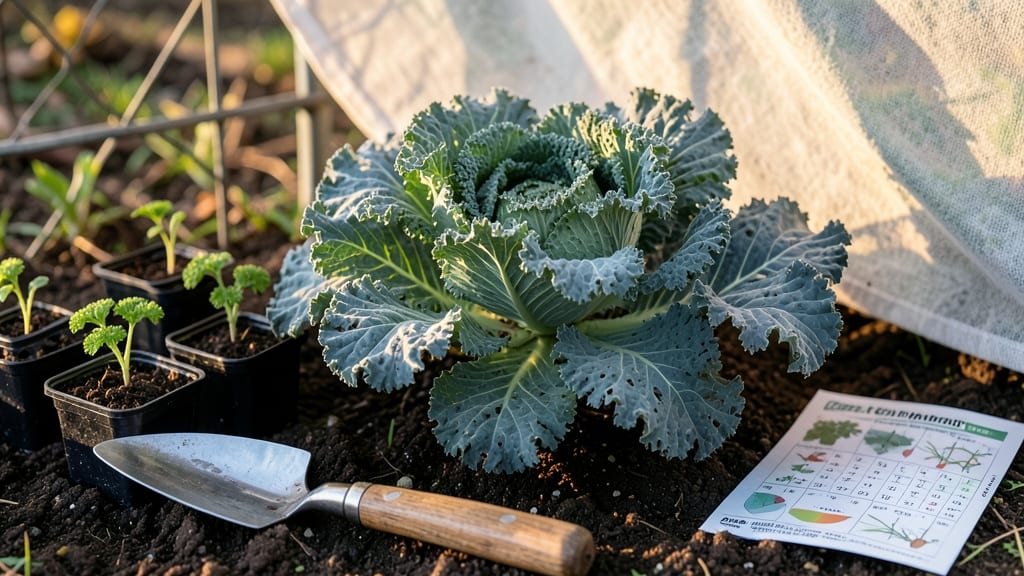
Figuring out when to plant brassicas in Pennsylvania can feel like solving a puzzle—get the timing wrong, and your 🥬 broccoli or cabbage might bolt, rot, or never even sprout.
With PA’s unpredictable frost dates (especially in zones 5b-7a), knowing the exact window isn’t just helpful—it’s essential for a bountiful harvest.
Most gardeners in the Keystone State swear by the March 15–April 30 spring window or the August 1–September 15 fall planting slot, but even these dates shift depending on whether you’re in Pittsburgh’s cooler microclimate or Philadelphia’s slightly warmer pockets.
The key? Planting 4–6 weeks before your last frost date—and yes, that means checking your local frost calendar every year.
Here’s the game-changer: brassicas like kale and cabbage thrive when they have 160–200 frost-free days to mature. That’s why succession planting (staggering seeds every 2 weeks) works so well in PA’s short growing season.
I’ll show you how to avoid common pitfalls—like bolting from heat stress or slug damage—so your brassicas grow strong from seed to harvest.
Ready to turn your garden into a brassica powerhouse? Let’s break down the exact dates, soil prep tricks, and companion plants that’ll keep pests at bay—no guesswork required.
PA hardiness zones & brassica planting dates by last frost
Pennsylvania’s USDA Zones 5b-7a create unique challenges for growing brassicas like broccoli, cabbage, and kale. The last frost date varies dramatically—from April 15 in rural areas to May 1 in cities like Philadelphia.
Missing these windows means frost damage or missed harvests. Let’s break down the perfect planting times for each zone and variety.
For spring planting, aim to sow seeds or transplant seedlings 4-6 weeks before your last frost date. In Zone 5b (northern PA), that’s March 15-April 1. In Zone 7a (southern PA), you’ve got until April 15-April 30.
Fall planting follows the opposite rule: start 6-8 weeks before your first frost, which typically hits October 15 in most regions.
Here’s how your last frost dates break down by region:
| Zone | Last Frost Date | Spring Planting Window | Fall Planting Window | Best Varieties |
|---|---|---|---|---|
| 5b (Erie, State College) | April 15 | March 15-April 1 | August 15-September 1 | Cold-hardy kale, 'Waltham' broccoli |
| 6a (Pittsburgh, Harrisburg) | April 20 | March 20-April 10 | August 10-September 10 | 'Golden Acre' cabbage, 'Blue Lake' broccoli |
| 7a (Philadelphia, Lancaster) | April 30 | March 25-April 30 | August 1-September 15 | 'Red Russian' kale, 'De Cicco' broccoli |
*Adjust dates 1-2 weeks earlier for microclimates like valleys or later for hilltops.
For direct sowing, plant seeds 1/4 inch deep and keep soil 60-65°F for germination. In cooler zones like Zone 5b, start seeds indoors 6-8 weeks before transplanting to avoid delays. Transplants should be 4-6 weeks old with 4-6 true leaves when moved outdoors.
Pro tip: Use heat-tolerant varieties like 'Cavalo' broccoli or 'Winterbor' kale for late-summer plantings. These handle PA’s July heat better than standard types. Pair them with shade cloth during peak afternoon sun to prevent bolting.
In urban areas, microclimates matter. A south-facing wall can warm soil by 5-10°F, extending your planting window by 1-2 weeks. Use this to your advantage for fall brassicas, which thrive in cooler weather.
Always check local frost dates from sources like the Penn State Extension or Almanac’s Frost Calculator. These tools account for year-to-year variations that can shift planting windows by 10+ days.
Remember: Brussels sprouts need 90+ days to mature, so plant them by June 1 for a fall harvest. Cabbage and kale, on the other hand, mature faster (50-70 days) and can handle late-summer plantings.
How to extend brassica growing seasons in PA’s unpredictable climate
Pennsylvania’s unpredictable frost dates and hot summer spells can throw off even the most experienced brassica growers. But with the right strategies, you can extend your growing season by 4–6 weeks—meaning more harvests of broccoli, cabbage, and kale when others are left scrambling.
The secret? Combining seasonal adjustments with protective gear and smart variety choices.
For spring plantings, start with cold-hardy varieties like ‘Winterbor’ kale or ‘Windsor’ cabbage, which tolerate light frosts down to 20°F. Pair these with row covers (like Reemay fabric) to shield young seedlings from late frosts.
In my Zone 6 garden, this buys me an extra 2 weeks of growth before removing covers entirely.
🌱Pro Tip: Use black plastic mulch under plants to warm soil faster in spring. This method raises soil temps by 5–10°F, helping brassicas like Brussels sprouts sprout earlier. Just
For fall harvests, the key is succession planting every 2 weeks from August 1–September 15. Choose heat-tolerant varieties like ‘Cavolo Nero’ kale or ‘Golden Acre’ cabbage, which handle PA’s 90°F+ days better than standard types. Pair this with shade cloth (30%) during peak afternoon sun to prevent bolting.
💡Game-Changer: A cold frame (a clear plastic box over plants) can extend fall harvests until November 15 in most of PA. I’ve used repurposed aquariums with ventilation holes—just weigh them down with bricks to prevent wind damage.
Add a thermometer inside to monitor temps; keep it above 32°F at night.
Don’t overlook companion planting to naturally regulate temperatures. Radishes planted alongside brassicas act as living mulch, shading soil and reducing temperature swings. Meanwhile, dill or borage nearby attracts pollinators and beneficial insects that keep pests like cabbage moths at bay.
Finally, harvest strategically to prolong production. For broccoli, cut the main head and let side shoots develop—this can add 3–4 weeks to your harvest window. With kale, pick outer leaves first; the plant keeps producing as long as temps stay above 25°F.
In my experience, this simple tweak turns a 6-week harvest into a 10-week feast.
🌿Key Takeaway: PA’s climate is challenging, but with row covers, succession planting, and heat-tolerant varieties, you can turn brassicas into a year-round staple. Start small—try one cold frame or a single row cover this season—and watch your harvest dates stretch longer than ever.
- 1 Use row covers (like Reemay) to protect seedlings from late spring frosts—extends growth by 2–3 weeks.
- 2 Plant black plastic mulch in spring to warm soil 5–10°F faster, helping early sprouts.
- 3 Succession plant every 2 weeks from August–September for fall harvests; choose heat-tolerant varieties.
- 4 Use cold frames to harvest until November; monitor temps to stay above 32°F at night.
- 5 Companion plant radishes or dill to regulate soil temps and deter pests naturally.