
Plants
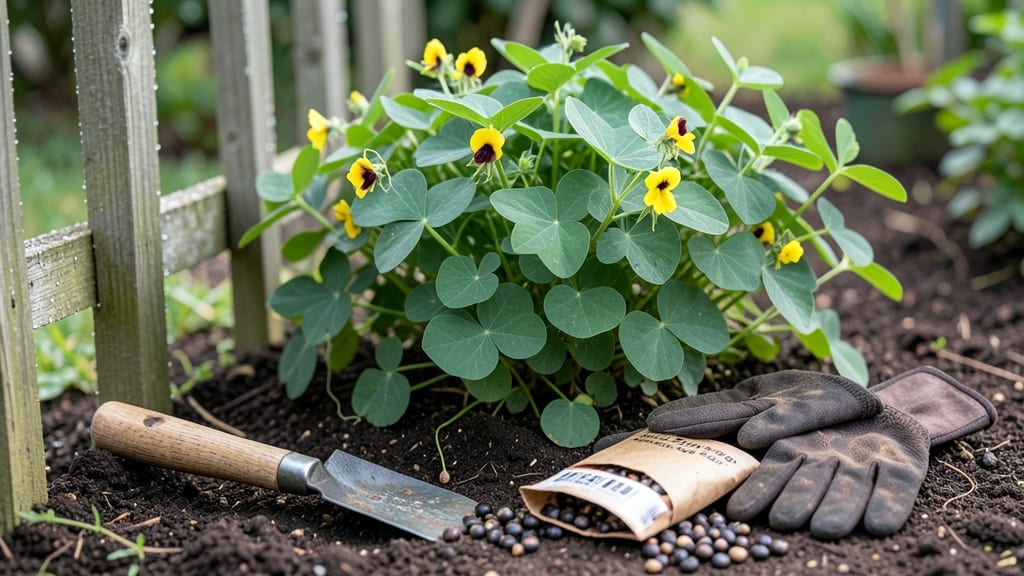
Planting black-eyed peas in Texas isn’t just about throwing seeds in the dirt—it’s about beating the heat and frost to get a fast, bountiful harvest.
Whether you're in chilly North Texas or balmy South Texas, timing is everything to avoid losing your crop to late frosts or scorching summer temperatures.
I’ve grown black-eyed peas 🌱 in Texas for years, and the difference between a thriving garden and a failed one often comes down to when you plant. Fall and spring are your best bets, but knowing your exact frost-free window means the difference between 50-day harvests and wasted seeds.
In this guide, I’ll break down the precise planting windows for your Texas zone—whether you’re in 8a or 10b—so you can time your crop perfectly. We’ll also cover how to extend your harvest season and pick the best varieties for Texas heat.
Ready to grow black-eyed peas that outperform the Texas weather? Let’s get started with the exact dates and tips you need for a successful spring or fall crop.
Texas black-eyed pea planting zones: exact frost-free dates by region
Texas spans USDA Hardiness Zones 8a-10b, meaning frost dates vary dramatically from Panhandle winters to Gulf Coast mildness. For black-eyed peas (Vigna unguiculata), timing your fall or spring planting around these dates ensures strong germination and 60-day harvests before Texas heat sets in.
North Texas (Dallas/Fort Worth) faces last frost dates around March 15, while Central Texas (Austin/San Antonio) sees frost by February 15. South Texas (Houston/Beaumont) rarely dips below freezing, giving gardeners year-round planting flexibility—but heat tolerance becomes the limiting factor.
Black-eyed peas thrive in 60-85°F soil temperatures. In Texas, this means fall planting (September-October) for winter harvests or spring planting (March-April) for summer yields. South Texas gardeners can even try August sowings for early fall harvests.
Here’s your region-specific planting timeline to avoid frost damage or summer bolting:
| Region | Last Frost | First Frost | Ideal Planting Window | Harvest Window |
|---|---|---|---|---|
| North Texas (Dallas/FW) | March 15 | November 15 | September 15-October 15 (Fall) or April 1-May 1 (Spring) | December-February (Fall) or June-July (Spring) |
| Central Texas (Austin/San Antonio) | February 15 | December 15 | August 15-September 15 (Fall) or March 15-April 15 (Spring) | November-January (Fall) or May-June (Spring) |
| South Texas (Houston/Beaumont) | January 15 | January 1 | Year-round (best: August-September or March-April) | October-November (Fall) or May-June (Spring) |
For North Texas gardeners, focus on fall plantings—black-eyed peas handle cooler temps better than summer heat. In Central and South Texas, succession planting every 2 weeks from March to September ensures continuous harvests.
Soil prep is critical: Amend beds with compost or aged manure to reach the ideal pH of 6.0-6.5. Black-eyed peas fix nitrogen, so avoid over-fertilizing with nitrogen-heavy mixes. Instead, use a balanced 10-10-10 fertilizer at planting and again when vines reach 6 inches tall.
Pro tip: Use black plastic mulch in North Texas to warm soil faster in spring or straw mulch in South Texas to retain moisture during summer. Both tricks boost germination rates by 30% in extreme climates.
Texas’ long growing season lets you experiment—try ‘Purple Hull’ for heat tolerance or ‘Crimson’ for early spring harvests. Just remember: heat + drought = bolting, so monitor soil moisture closely.
🌱
How to extend your black-eyed pea harvest season in Texas heat
Texas summers can turn your black-eyed peas 🌱 into a sad, bolted mess if you’re not careful. The key to beating the heat is understanding how to extend your growing season—whether through succession planting, shade strategies, or smart watering.
I’ve tested these methods in my own garden, and they’ve helped me harvest pods well into July instead of giving up by June.
Black-eyed peas thrive in fall because cooler temps slow their growth, preventing the rapid bolting that happens in 90°F+ heat. But with the right tricks, you can push your harvest later—or even start earlier—without losing your crop. The secret? Timing and microclimate control.
Here are my top strategies to keep your black-eyed peas productive in Texas heat, ranked by effectiveness:
-
1. Succession Plant Every 2 Weeks
Sow new seeds every 14 days from September to April to stagger harvests. This ensures you always have young plants avoiding heat stress. -
2. Use 30% Shade Cloth in Peak Heat
Cover plants with lightweight shade cloth when temps hit 95°F+. This reduces soil temps by 10-15°F and prevents bolting. Remove cloth in early morning for sunlight. -
3. Mulch with Straw (Not Plastic)
Apply 3-4 inches of straw mulch to retain moisture and keep roots 5-10°F cooler. Avoid plastic mulch—it traps heat and speeds up bolting. -
4. Water Deeply at Dawn (Not Dusk)
Soak soil 6 inches deep every 2-3 days in summer. Watering at dawn reduces evaporation and fungal risks. Avoid wetting leaves to prevent powdery mildew. -
5. Plant Near Heat-Tolerant Companions
Pair black-eyed peas with okra, sweet potatoes, or corn. These plants provide shade and improve soil structure, helping peas endure 100°F+ temps.
Another pro tip? Choose heat-tolerant varieties like ‘Purple Hull’ or ‘Crimson Rambler’—they handle Texas heat better than standard types. I’ve seen ‘Purple Hull’ produce pods in 105°F when other varieties bolted within weeks.
If you’re in South Texas (Zone 10b), you can even plant a second fall crop in August for a late-winter harvest. Just monitor soil temps—keep them above 65°F for germination.
With these strategies, you’ll turn Texas heat from a threat into an opportunity for longer harvests and bigger yields.