
Plants
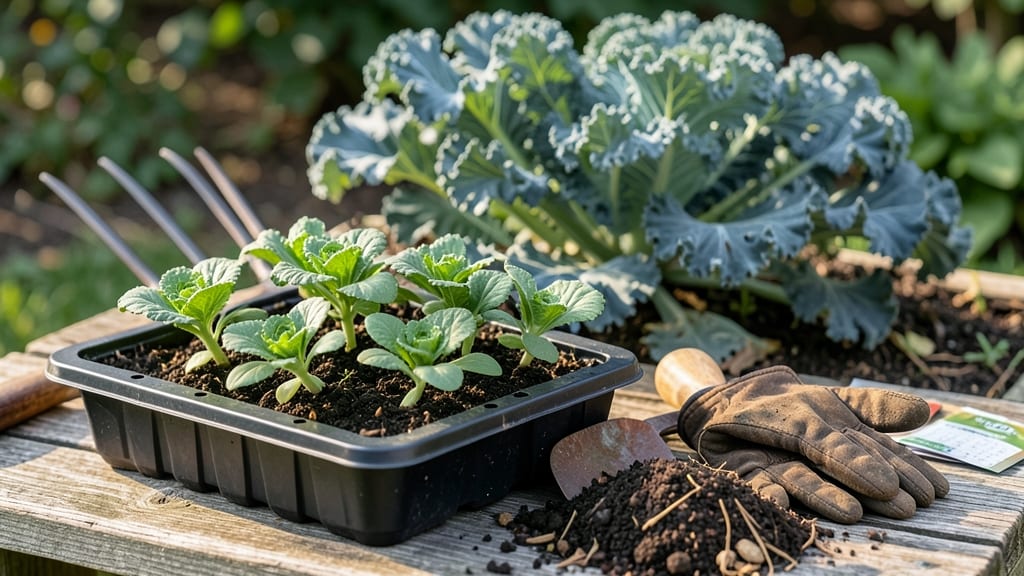
Planning when to plant brassicas in Michigan? Timing is everything—get it wrong, and you might end up with bolted greens or frost-nipped heads instead of crisp, flavorful veggies.
The key lies in Michigan’s 5b-6b climate zones, where last frost dates can shift by weeks between regions like the Upper Peninsula and Southeast.
I’ve grown brassicas in Michigan for years, and the difference between a thriving harvest and a disappointing one often comes down to planting windows. Early spring (March-April) and late summer (August-September) are your golden opportunities, but even then, soil temperature and frost risks demand precision.
In this guide, I’ll break down the exact frost-date calculator you need to time your broccoli, cabbage, and kale perfectly—plus how to adjust for Michigan’s unpredictable weather. Whether you’re a beginner or a seasoned gardener, these tips will help you avoid common mistakes and maximize your yield.
Ready to turn your brassica patch into a year-round bounty? Let’s dive into the science-backed timing that’ll keep your garden productive from May through November.
Michigan brassica planting timeline by frost-date zones
Michigan’s five distinct climate zones mean your last frost date could vary by 3+ weeks—critical for brassicas like broccoli that bolt in heat. Northern zones (Upper Peninsula) often see frost until May 15, while southern zones (Southeast Michigan) warm by April 15.
Use this zone-specific guide to align planting with your local frost averages and avoid common mistakes like transplant shock from premature starts.
Brassicas thrive in cool weather (50–75°F), making early spring and late summer the sweet spots. For spring plantings, start seeds indoors 6–8 weeks before last frost or direct-sow when soil hits 40°F.
Fall plantings should begin 8–10 weeks before first frost (typically September 1 in most zones) to ensure harvest before hard freezes.
Here’s how Michigan’s zones break down for direct-sow vs. transplant windows, with adjustments for heat-tolerant varieties in southern areas:
For Brussels sprouts, which need 90+ days to mature, focus on early spring transplants in Zone 4 (by April 15) or late summer direct-sows in Zone 6 (by July 1). In southern zones, opt for fast-maturing varieties like ‘Long Island Improved’ to beat the heat.
Kale and collards are exceptions—they sweeten with frost, so you can direct-sow as late as August 15 in most zones. Use row covers to extend harvests into November in protected beds. For cabbage, prioritize transplants over seeds to avoid cabbage worm pressure from delayed starts.
Pro tip: In Zone 5 and warmer, plant heat-tolerant varieties like ‘Golden Acre’ cabbage or ‘Waltham 29’ broccoli for late summer sowings. These varieties handle 80°F+ temps better than standard types, giving you a second harvest window before frost.
Always monitor local frost forecasts via Michigan State University’s weather tools or Almanac frost calculators. A 5-day stretch below 32°F can kill young brassicas—so time your transplanting to avoid late April cold snaps, especially in northern zones.
🌱
How to adjust planting for Michigan’s unpredictable weather
Michigan’s late springs and early frosts demand flexibility in your brassica planting plan. I’ve learned the hard way—skipping row covers in May can turn tender seedlings into crispy snacks overnight. The key is layered protection and smart timing to stretch your growing season.
Start by choosing cold-hardy varieties like ‘Winterbor’ kale or ‘Tendercrisp’ cabbage, which tolerate light frosts. These varieties buy you 2-3 extra weeks of planting time compared to heat-sensitive types. For example, I’ve successfully grown kale through November frosts in Zone 5 by selecting the right cultivars.
Succession planting is another game-changer in Michigan. Instead of one big spring planting, I sow small batches every 2 weeks from mid-April through May. This ensures a steady harvest while accounting for unpredictable frost dates.
For fall brassicas, start seeds indoors in July for a September transplant, giving plants time to mature before winter.