
Plants
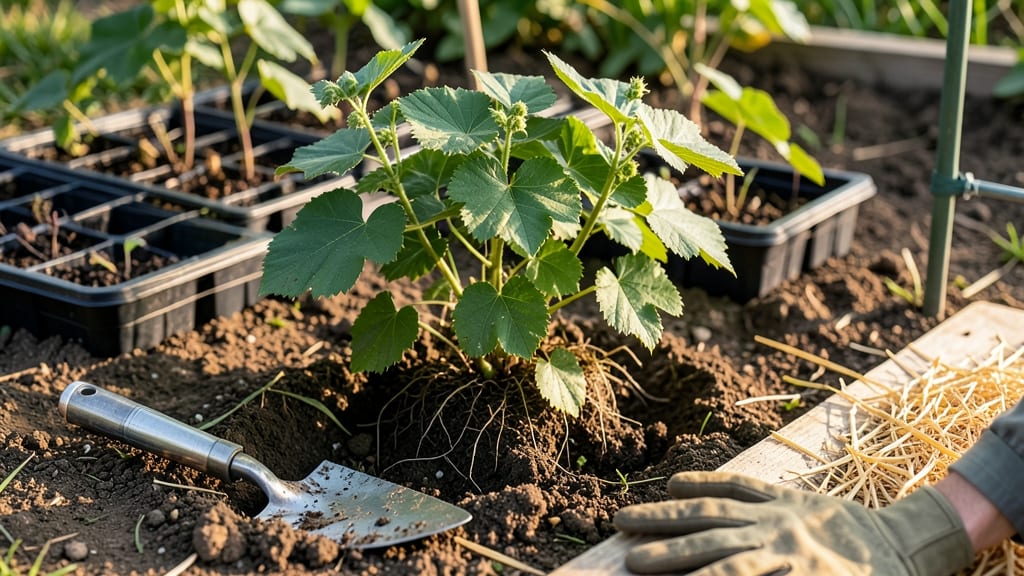
Timing your hops planting in Michigan isn’t just about the calendar—it’s about giving those roots the perfect head start to thrive in Zone 5’s unpredictable spring. Plant too early, and frost will nip your progress; too late, and your vines might never catch up.
The 4-6 week window between late April and early May is your golden ticket, but there’s more to it than just dates.
Michigan’s 5b-6b climate demands patience—soil needs to warm to at least 50°F before hop rhizomes go in, and waiting for that last frost (usually mid-April to early May) is non-negotiable. But here’s the kicker: hops are perennial, meaning strong roots now mean bigger yields for years to come.
Let’s break down how to nail this timing and set your hop garden up for success.
You’ll learn exactly when to prep your soil, how to adjust for Michigan’s microclimates (yes, Upper vs. Lower Peninsula matters!), and why rhizome health is the real game-changer. Whether you’re a backyard brewer or a small-scale grower, these insights will help you avoid common pitfalls and maximize your harvest potential.
Skip the guesswork—this is your no-fluff guide to planting hops in Michigan, where timing isn’t just about the season, but about setting your vines up to outperform the frost. Let’s get those roots growing right.
Michigan hop planting deadlines by Zone 5 climate and variety
Michigan’s Zone 5 climate creates tight planting windows for hops, where timing can make the difference between thriving vines and stunted growth.
Most of the state experiences its last frost between mid-April and early May, but microclimates—especially in the Upper vs. Lower Peninsula—can shift those dates by 1-2 weeks.
For rhizome planting (the most common method), aim to get hops in the ground 2-3 weeks after your last frost date. This gives soil time to warm to at least 50°F, which is critical for root establishment.
Cold soil slows growth and increases disease risk, so don’t rush—waiting a few extra days is better than planting too early.
Popular Michigan-friendly hop varieties like Cascade, Centennial, and Fuggle all thrive in Zone 5, but their maturity timelines vary slightly. Early varieties (like Fuggle) can handle shorter seasons better, while late varieties (like Cascade) need a longer frost-free period (140+ days) to fully mature.
Here’s your planting timeline broken down by variety and region, using Upper Peninsula (UP) vs. Lower Peninsula (LP) as guides:
| Variety | Ideal Planting Window | Last Frost Date (LP) | Last Frost Date (UP) | Notes |
|---|---|---|---|---|
| Cascade | Late April - Early May | Early May | Mid-May | Needs longer season (150+ days); best for LP. |
| Centennial | Late April - Early May | Early May | Late April | Cold-hardy but benefits from UP’s cooler temps. |
| Fuggle | Early April - Mid-May | Late April | Early May | Early-maturing and UP-friendly; tolerates shorter seasons. |
| Amarillo | Late April - Early May | Early May | Mid-May | Heat-loving; LP only (avoid UP’s short summers). |
| Chinook | Early May | Early May | Late April | Disease-resistant; great for UP’s humid climate. |
If you’re starting hops indoors (a smart move for UP gardeners or those with late frosts), begin seeds 4-6 weeks before your last frost date. Use grow lights to provide 14-16 hours of light daily until transplanting outdoors.
Harden off seedlings for 7-10 days before moving them to the garden to avoid shock.
For direct rhizome planting, choose a south-facing trellis to maximize sunlight exposure. Hops need 6+ hours of direct sun, and Michigan’s short summer days mean every extra hour counts. If your site gets partial shade, opt for early-maturing varieties like Fuggle or Chinook to avoid underdeveloped cones.
Pro tip: Use a soil thermometer to confirm your soil is 50°F+ before planting. Cold soil can delay germination by weeks, leaving your hops vulnerable to late frosts or pests. In UP regions, wait until mid-May to be safe.
🌱
Michigan hop planting deadlines by Zone 5 climate and variety
Michigan’s Zone 5 climate demands precise timing for hop planting, as late frosts can damage tender roots while early planting risks stunted growth.
Most regions experience their last frost between mid-April and early May, so aim to plant rhizomes (root cuttings) 2-3 weeks after this date—typically late April to early May. This window ensures soil temperatures reach the 50°F+ threshold hops need to establish roots quickly.
For cold-hardy varieties like Fuggle or Cascade, you can push planting slightly later (early June) in warmer microclimates, such as southern Michigan’s Lower Peninsula.
However, tender varieties like Centennial require earlier planting to mature before autumn’s first frost (mid-October). Always check your local USDA Plant Hardiness Zone for finer adjustments.
🌱
| Variety | Best Planting Window | Soil Temp Requirement | Notes for Michigan |
|---|---|---|---|
| Fuggle | Late April - Early May | 50°F+ | Cold-hardy; tolerates late frosts |
| Cascade | Late April - Early May | 50°F+ | Moderate cold tolerance; needs trellis |
| Centennial | Early May - Mid-May | 55°F+ | Tender; plant early for full maturity |
| Amarillo | Late April - Early May | 50°F+ | Heat-loving; best in southern Michigan |
If you’re starting hops indoors for an earlier jumpstart, begin 4-6 weeks before your last frost date (typically late March). Use grow lights to provide 14-16 hours of light daily until transplanting outdoors.
Harden off seedlings for 7-10 days before moving them to the garden to avoid shock from Michigan’s unpredictable spring weather.
For transplanting, wait until soil temperatures consistently stay above 50°F and nighttime temperatures exceed 40°F. In northern Michigan’s Upper Peninsula (Zone 4b)**, delay planting until early June to avoid late frosts.
Always monitor local weather forecasts, as microclimates near lakes or urban areas can extend the growing season by 1-2 weeks.
Pro tip: Plant rhizomes horizontally (not vertically) with the buds facing upward. This encourages strong root development and faster vine growth—critical for Michigan’s short growing season. Mulch heavily with straw or wood chips to protect roots from temperature swings.
✂️
Remember, hops are perennial in Michigan, meaning they’ll return each year if cared for properly. However, first-year plants focus on root establishment, so resist the urge to harvest cones—prioritize vine health over yield in your first growing season.