
Plants
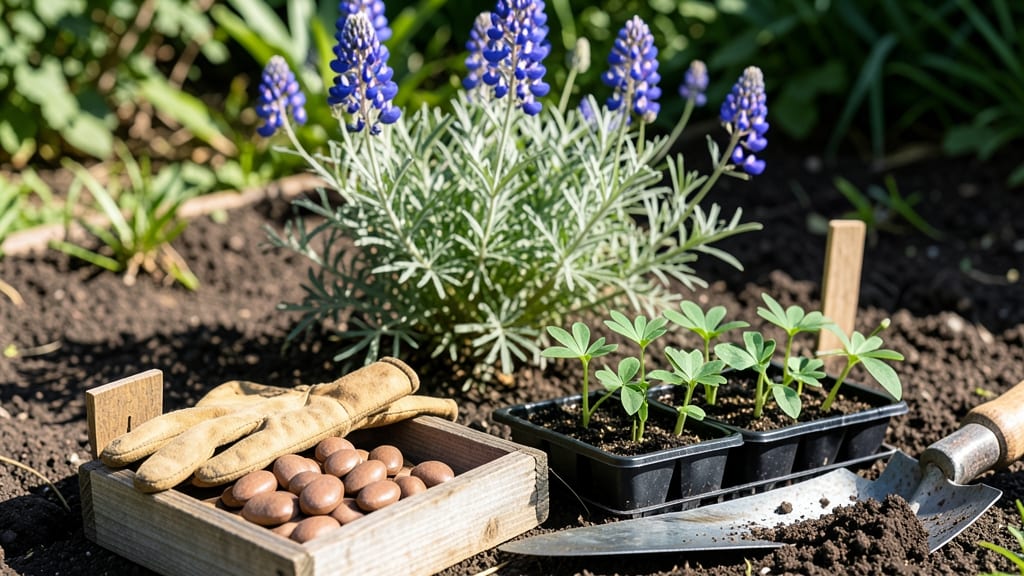
If you’ve ever dreamed of waking up to fields of iconic bluebonnet blooms 🌸 blanketing Houston’s roadsides, knowing when to plant bluebonnet seeds in Houston is the secret weapon—and getting it wrong could mean missed opportunities.
Houston’s 9a climate gives you a narrow window to plant these drought-loving beauties, but one wrong move can turn vibrant spring carpets into patchy disappointment.
Most gardeners in Houston swear by late September to October as the perfect planting window, when summer’s scorching heat finally cools and winter’s first frost still feels weeks away. But here’s the catch: Houston’s unpredictable weather—think sudden cold snaps or early rains—can throw off even the most careful plans.
Let me show you how to read your local microclimate and adjust your strategy to maximize those bluebonnet dreams.
We’ll cover everything from soil prep tricks for Houston’s heavy clay to watering hacks that save you time and money. Spoiler alert: Overwatering is the #1 mistake killing bluebonnet seedlings in our area, and I’ll tell you exactly how to avoid it.
Whether you’re a first-time planter or a seasoned Houston gardener, these actionable tips will help you grow a showstopping display that’ll make your neighbors jealous.
Ready to turn your yard into a bluebonnet paradise? Let’s dive into the exact steps that’ll have your seeds sprouting strong—and your spring filled with color. The best time to plant is now, but not just now—here’s how to get it perfect.
Best months to plant bluebonnet seeds in Houston’s climate zone
Houston’s USDA Zone 9a climate gives you a narrow but critical window for planting bluebonnet seeds—typically between late September and October. This timing ensures seeds germinate before Houston’s first frost (around mid-December) while avoiding the brutal summer heat that can bake seeds before they sprout.
The key is planting when soil temperatures drop below 85°F but stay above 50°F—usually by mid-to-late September. Houston’s humidity and occasional rain during this period also help seeds stay moist without drowning, which is crucial for germination rates.
If you miss the fall window, you can try planting in early spring (February), but success rates drop significantly. Spring-planted seeds often struggle with Houston’s unpredictable late freezes (as late as January 10 in some years) and compete with established weeds for sunlight.
For the best results, align your planting with Houston’s rainy season transition. Aim for September 20–October 15, when afternoon showers taper off but morning dew keeps seeds hydrated naturally.
| Planting Window | Ideal Soil Temp (°F) | Houston Microclimate Notes | Germination Time |
|---|---|---|---|
| Late September | 60–75°F | North Houston areas may need 1–2 weeks earlier due to cooler temps. | 10–14 days |
| October (first half) | 50–65°F | South Houston’s heat may delay germination by 3–5 days. | 14–21 days |
| February (spring backup) | 60–70°F | High risk of late freezes; use row covers if temps drop below 32°F. | 21–30 days |
Houston’s clay-heavy soil can cause drainage issues, so always plant seeds in areas with well-draining soil or amend with compost or sand if your yard retains too much moisture. The Gulf Coast’s high humidity also means seeds can rot if left too damp, so avoid planting after heavy rains.
Pro tip: Scatter seeds directly on soil (no covering needed) in full sun locations. Houston’s 6+ hours of daily sunlight in fall is perfect for bluebonnets, but avoid shady spots where germination slows dramatically.
Monitor your seeds for 10–14 days after planting. If Houston’s unpredictable weather brings unexpected rain, use a lightweight mulch layer (like straw) to prevent soil crusting, which can smother emerging seedlings.
Remember, bluebonnets are perennials in Houston, meaning they’ll return year after year if planted correctly. The first year’s blooms may be sparse, but with proper fall planting, you’ll see vibrant blue carpets by next spring.
For Houston gardeners, the fall planting window is your best bet—don’t wait until November, as cooler temps and shorter days can stunt growth before winter sets in.
Houston-specific tips: soil prep, watering schedule, and germination secrets
Houston’s clay-heavy soil can be a bluebonnet planter’s worst enemy if not prepped correctly. The key is to break up that dense texture with organic matter—think compost or aged manure—to improve drainage while retaining moisture.
I like to work in a 2-inch layer of compost before scattering seeds, which also gives seedlings a nutrient boost without overwhelming them.
Don’t skip the soil pH test either! Bluebonnets thrive in slightly acidic to neutral soil (pH 6.0–7.0). Houston’s native clay often skews alkaline, so a quick test from your local garden center will tell you if you need to adjust with sulfur or lime.
Pro tip: Mix in a handful of wood ash if your soil tests too acidic—it’s a natural pH balancer.
Houston Watering Warning
Overwatering is the #1 killer of bluebonnet seedlings in Houston. These drought-loving plants rot in soggy soil, and our heavy rains or overzealous watering can drown them before they sprout. Water lightly only when the top inch of soil feels dry—typically every 10–14 days once established. Use a soaker hose to deliver water directly to roots and avoid wetting the foliage, which invites fungal diseases.
When it comes to germination secrets, patience is key. Bluebonnet seeds need consistent moisture but hate being waterlogged. After planting, cover the area with a thin layer of straw mulch (about ¼ inch) to retain moisture without smothering seeds.
This trick works especially well in Houston’s unpredictable fall rains, which can wash seeds away or create muddy planting beds.
Speaking of rain, Houston’s winter droughts can also throw off germination. If we get a dry spell after planting, I recommend setting up a drip irrigation system on a timer for 10 minutes daily.
This mimics natural rainfall without the risk of overwatering. Plus, it’s a set-it-and-forget-it solution that saves you time and ensures your seeds stay happy.
One more Houston-specific hack: Plant after a hard rain. Nature does the watering for you, and the softened soil is easier to work with. Just wait until the ground has dried enough to walk on—about 24–48 hours—before scattering seeds.
This method cuts down on your watering workload and gives seedlings a stronger start.
Finally, resist the urge to fertilize right away. Bluebonnets are light feeders, and fresh soil already has enough nutrients for early growth. Wait until late fall to apply a light 5-10-10 fertilizer—just a tablespoon per 10 square feet—to encourage root development before winter.
Your bluebonnets will thank you with vibrant blooms next spring!