
Plants
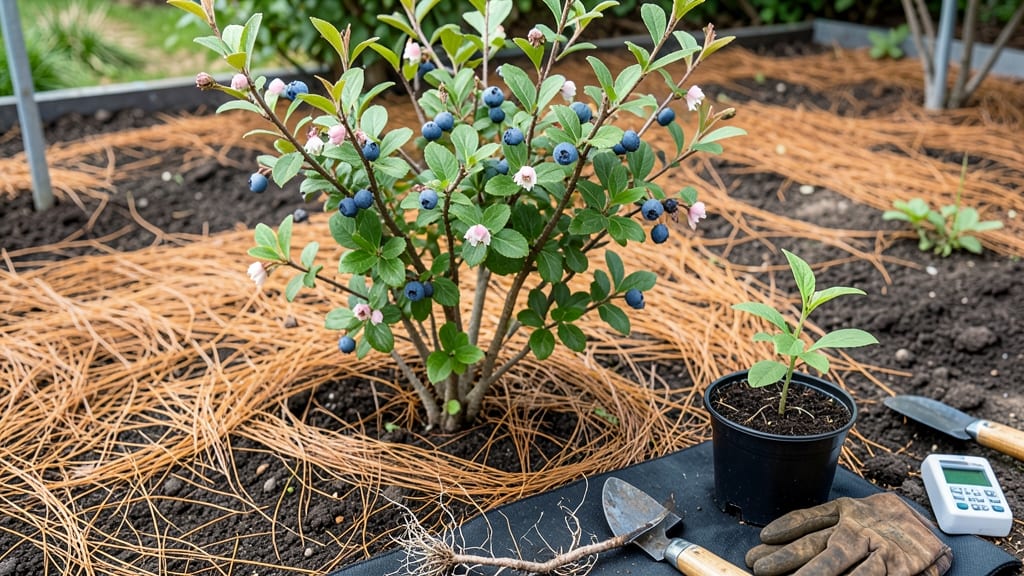
Timing is everything when it comes to planting blueberry bushes in Alabama, and getting it wrong could mean waiting years for those juicy 🫐 harvests.
The key isn't just picking a season—it's matching your variety to Alabama's unique chill-hour zones (7a-8b), where late frosts and humid summers can make or break your bushes.
Most gardeners in Alabama swear by fall planting (October-November) because it gives roots time to establish before summer's brutal heat arrives. But did you know early spring (February-March) can work too—if you choose the right varieties like 'Climax' or 'Powderblue' that thrive in Southern climates?
What you might not realize is that Alabama's microclimates play a huge role. North Alabama's cooler nights might handle spring planting, while Gulf Coast areas need fall timing to avoid early heat stress.
Let me show you exactly how to read your local frost dates and adjust your schedule for maximum success.
From soil prep to spacing secrets, I'll walk you through every step to ensure your blueberry bushes not only survive but thrive in Alabama's challenging growing conditions. Let's get those bushes in the ground the right way—so you can enjoy homegrown berries by next summer.
Best planting months for Alabama blueberries based on chill-hours
Alabama’s humid subtropical climate creates unique challenges for blueberry growers, especially when it comes to chill-hour requirements. Most Southern varieties like 'Climax' and 'Powderblue' need 400-800 chill hours (temperatures between 32°F and 45°F) to produce fruit.
Since Alabama’s USDA zones 7a-8b rarely drop below freezing for long, timing is everything.
For optimal results, plant your blueberry bushes during two key windows: late winter to early spring (February-March) or fall (October-November). Spring planting gives roots time to establish before summer heat, while fall planting allows roots to settle before winter dormancy.
Both methods work, but fall planting is often preferred in Alabama’s climate.
Here’s why timing matters: Planting too early in spring risks late frost damage (common until mid-March), while planting too late in fall may leave roots vulnerable to winter desiccation before the ground freezes. The 45-day window before your area’s first frost is ideal for fall planting.
Alabama’s northern regions (like Huntsville) get slightly more chill hours than the Gulf Coast (Mobile area), so adjust accordingly. For example, 'Premier' (a low-chill variety) thrives in Mobile’s 500-600 chill hours, while 'Duke' (higher chill) does better in 700+ chill-hour zones like Birmingham.
🌱
📋 Alabama Blueberry Planting Timeline
| Season | Best Planting Months | Chill-Hour Range | Key Varieties |
|---|---|---|---|
| Fall | October - November | 400-800 hours | Climax, Powderblue, Premier |
| Spring | February - Early March | 400-600 hours (varies by region) | Duke, Tifblue, Centurion |
✅ Pro Tip: Test soil pH (aim for 4.5-5.5) before planting—Alabama’s native soil is often too alkaline for blueberries.
If you’re planting in spring, aim for late February to early March to avoid late frost risks. Choose bare-root plants (available at nurseries in winter) and soak roots for 2-3 hours before planting.
For fall planting, wait until October in northern Alabama or November near the coast to give roots time to establish before winter.
Another critical factor is soil preparation. Alabama’s clay-heavy soils need amendments like peat moss or pine bark to improve drainage and acidity. Mix 3-4 inches of organic matter into the top 12 inches of soil and consider installing an irrigation system—blueberries hate drought stress, especially during fruiting.
For container growing (popular in urban Alabama), plant in large pots (15+ gallons) with acidic potting mix. Containers dry out faster, so water daily in summer and move pots to partial shade if temperatures exceed 90°F. Dwarf varieties like 'Top Hat' are ideal for balconies or small yards.
🪴
Remember: Patience is key—blueberry bushes take 2-3 years to bear fruit after planting. During this time, focus on soil health, proper watering, and light pruning to shape the bush. Once established, your Alabama-grown blueberries will reward you with sweeter, juicier berries than store-bought varieties.
Best planting months for Alabama blueberries based on chill-hours
Alabama’s chill-hour requirements (400–800 hours) dictate the best time to plant blueberry bushes, as Southern varieties like 'Climax' and 'Powderblue' need cooler dormancy periods to set fruit. Most gardeners in USDA zones 7a–8b succeed with fall planting (October–November), but early spring (February–March) works too—if you choose the right varieties.
Fall planting gives roots 6–8 weeks to establish before Alabama’s hot summers arrive. Spring planting, however, risks late frosts (common until mid-March), which can damage tender new growth. The key is matching your blueberry variety to your local chill hours—North Alabama (cooler) handles more varieties than Gulf Coast areas (warmer).
Here’s how to align your planting with Alabama’s climate:
| Planting Window | Best Varieties | Why It Works |
|---|---|---|
| October–November (Fall) | 'Climax', 'Powderblue', 'Premier' | Roots establish before summer heat; avoids late frost risks. |
| February–March (Early Spring) | 'Southern Highbush', 'Tifblue' | Warmer microclimates (e.g., Gulf Coast) benefit from spring planting to escape humidity stress. |
| September (Late Fall) | 'Duke', 'Sharpblue' | Cooler temps reduce transplant shock; ideal for North Alabama. |
For container gardening, timing shifts slightly—plant in late winter (January–February) to give bushes a head start before Alabama’s summer heat peaks. Containers dry out faster, so watering consistency becomes critical during fruiting season (May–July).
Pro tip: Check your local last frost date (typically March 15 in most of Alabama) and plant 4–6 weeks before to ensure roots establish before warm weather arrives. In Gulf Coast areas (e.g., Mobile), opt for early fall (September) to avoid summer’s oppressive humidity.
Remember, soil pH (4.5–5.5) and mulching (pine needles or wood chips) are just as critical as timing. These steps protect your bushes from Alabama’s acid-loving plant challenges while maximizing fruit production.