
Plants
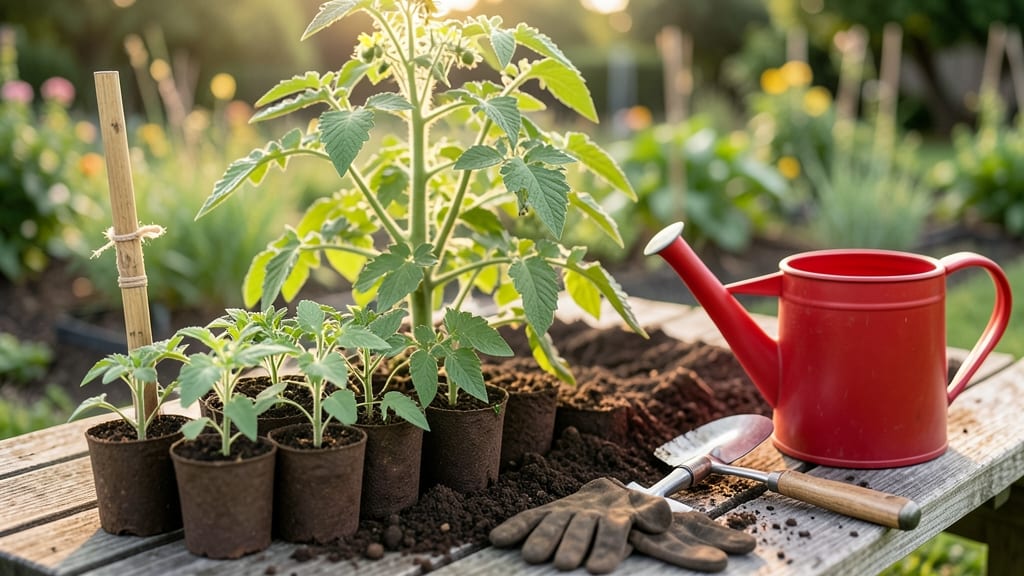
Planting tomatoes in Alabama isn’t just about grabbing seeds and sticking them in the ground—it’s about timing them perfectly to beat the state’s brutal heat and unpredictable springs.
With 60 to 90 days until harvest, even a week too early can mean wilting vines or blight-ridden fruit before you’ve had a chance to enjoy them.
Alabama’s climate zones—from the cooler Appalachian foothills to the steamy Gulf Coast—create wildly different deadlines. Whether you’re in Zone 7b or Zone 8a, knowing when to transplant seedlings outdoors is the key to avoiding frost damage or summer stress.
I’ll walk you through the exact windows for both spring and fall planting, plus how to pick heat-tolerant varieties that thrive in Alabama’s sweltering summers.
You might think all tomatoes are created equal, but Alabama’s heat demands special care. From ‘Heatmaster’ to ‘Solar Fire,’ the right variety can mean the difference between a bountiful harvest and a sad, sun-scorched disappointment.
Let’s dive into the best times to plant, the varieties that won’t wilt in the Alabama sun, and how to adjust for your specific microclimate—whether you’re in a backyard garden or a container on your balcony.
Ready to grow juicy, vine-ripened 🍅 tomatoes that put grocery store ones to shame? I’ll share my pro tips for transplanting, soil prep, and even how to handle those late-spring cold snaps that sneak up on us all.
Let’s get your tomato plants in the ground at the perfect moment for a harvest that’ll make your neighbors jealous.
Alabama’s tomato planting deadlines by microclimate Zone
Alabama’s diverse climate—from the cooler Appalachian foothills in the north to the steamy Gulf Coast—means your tomato planting window can vary by 2-3 weeks depending on where you live. Understanding your microclimate zone helps you avoid late spring frosts in the north or summer wilting in the south.
Let’s break down the best times to plant for each region.
For North Alabama (USDA Zones 6b-7a), where winters linger, aim to transplant tomato seedlings after your last frost date, typically around mid-April to early May.
In Central Alabama (Zones 7b-8a), you can start transplanting as early as late March, while South Alabama (Zones 8b-9a) gardeners can plant outdoors by February for an early harvest.
Here’s a quick reference for your region’s ideal planting window:
| Zone | Last Frost Date | Transplant Window | Heat-Tolerant Variety |
|---|---|---|---|
| North Alabama (6b-7a) | Mid-April | April 15 - May 10 | 'Celebrity' or 'Mountain Merit' |
| Central Alabama (7b-8a) | Late March | March 20 - April 15 | 'Heatmaster' or 'Solar Fire' |
| South Alabama (8b-9a) | Early February | February 15 - March 10 | 'Arkansas Traveler' or 'Sun Gold' |
If you’re growing heirloom tomatoes or cherry varieties, opt for early transplanting in Central and South Alabama to maximize your harvest season. For determinate varieties (bush tomatoes), you can even squeeze in a fall planting in late summer for a late-season harvest before the first frost.
For container gardeners, start seedlings indoors 6-8 weeks before your last frost date. Use grow lights if natural light is limited, and harden off seedlings by acclimating them outdoors for 1-2 weeks before transplanting. This gradual transition helps prevent transplant shock.
In South Alabama, where summers are intense, focus on shade cloth or drip irrigation to keep plants cool. Mulching with straw or wood chips retains moisture and regulates soil temperature, which is especially critical during Alabama’s humid summers.
Pro tip: Use a soil thermometer to ensure soil temperatures are above 55°F (13°C) before transplanting. Tomatoes thrive in warm soil, and cooler temperatures can stunt root growth or delay fruiting.
Don’t forget about fall planting! In Central and South Alabama, you can plant cold-hardy varieties like 'Stupice' or 'Glass Gem' in late July to early August for a harvest before the first frost, which typically hits in November.
For North Alabama gardeners, extend your season by using row covers or planting in warm microclimates like near south-facing walls or greenhouses. These strategies can push your last transplant date into early June.
Timing is everything—get it right, and you’ll enjoy homegrown tomatoes from early summer through fall. Miss the window, and you’ll face blight, wilting, or poor yields. 🌱
Heat-tolerant tomato varieties that thrive in Alabama’s climate
Alabama’s scorching summers can turn tomato plants into crispy snacks if you’re not careful—but the right heat-tolerant varieties can survive (and even thrive) in 90°F+ temperatures. These varieties resist blossom drop and sunscald, producing juicy fruit even when other plants wilt.
I’ve grown these top 5 varieties in my own garden, and they’ve never disappointed during peak Alabama heat.
For North Alabama, where cooler nights persist, look for varieties like ‘Celebrity’—a classic that handles moderate heat and produces uniform, disease-resistant fruit. In Central Alabama, where humidity spikes, ‘Heatmaster’ is my go-to for its thick skin and sweet flavor even under stress.
Meanwhile, South Alabama’s extreme heat calls for ‘Solar Fire’, a determinate variety that sets fruit quickly and resists cracking.
🌱
| Variety | Heat Tolerance | Best For | Planting Time | Days to Harvest |
|---|---|---|---|---|
| Celebrity | Moderate (85°F+) | North/Central AL | Mid-April to May | 70-75 days |
| Heatmaster | High (90°F+) | Central/South AL | Late April to June | 65-70 days |
| Solar Fire | Extreme (95°F+) | South AL | May to June | 60-65 days |
| Arkansas Traveler | Moderate-High | All zones | Mid-April to May | 75-80 days |
| Mountain Merit | Moderate (80°F+) | North AL | Late March to April | 70 days |
✅ Pro Tip: For container gardening, choose bush varieties like ‘Patio’ or ‘Tiny Tim’—they handle heat and limited space better.
When selecting varieties, prioritize disease resistance (look for V for Verticillium, F for Fusarium, and N for Nematodes on seed packets). My Heatmaster plants in Central Alabama produce red, beefsteak-style tomatoes even when temperatures hit 95°F, thanks to their thick cuticles.
For cherry tomatoes, ‘Sungold’ (though not heat-proof) does well if planted in shade cloth during peak afternoon sun.
If you’re starting seeds indoors, begin 6-8 weeks before your last frost date (typically mid-March for North AL and early March for