
Plants
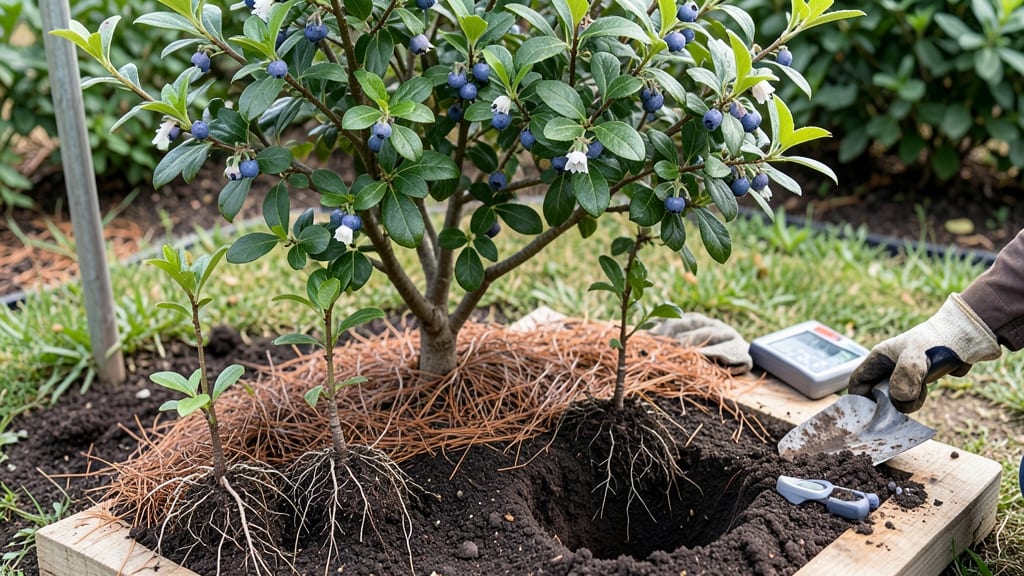
If you're dreaming of a backyard bursting with juicy 🫐 blueberries but live in Minnesota's unpredictable climate, planting at the wrong time could mean years of disappointment.
The key to thriving bushes lies in matching your blueberry varieties to Minnesota's chill-hour zones—3b-5a—where cold winters are just as crucial as warm summers for fruit production.
Most gardeners assume spring is the only window, but timing matters even more than you think. Planting too early risks frost damage, while waiting too long cuts short the growing season.
I'll break down exactly when to plant—whether you're working with bare-root saplings or container-grown bushes—and how to give your blueberries the best shot at survival through Minnesota's late frosts and short summers.
You'll discover which varieties thrive in your specific zone, how to prep soil for acid-loving plants, and why chill-hour matching is the secret weapon for consistent harvests. Let's get those bushes in the ground at the perfect moment so you can enjoy homegrown blueberries by next summer.
From the Twin Cities to the northern border, these strategies will help you avoid common mistakes and set your blueberry bushes up for success—no matter how unpredictable Minnesota's weather gets. Ready to turn your garden into a berry paradise?
Best planting months for Minnesota blueberries based on chill hours
Minnesota’s chill-hour requirements (4000-6000 hours) make timing critical for blueberry success. Unlike southern states, our cold winters are essential for bud formation—plant too late, and your bushes may skip fruiting entirely. The ideal window is late spring, but fall planting works too if done right.
Most Minnesota gardeners aim for late April to early June, once the soil warms to 40°F and frost danger passes. This gives roots time to establish before summer heat arrives. However, bare-root plants can handle fall planting in September—just water deeply before the ground freezes.
Regional differences matter: Twin Cities (Zone 4b) can plant slightly earlier than northern Minnesota (Zone 3b). Always check your last frost date—Minnesota’s ranges from mid-May in the south to late May in the north. Planting too early risks frost damage to tender new growth.
| Planting Window | Soil Temp | Chill Hours Needed | Minnesota Zone | Key Consideration |
|---|---|---|---|---|
| Late April - Early June | 40°F+ | 4000-6000 | 3b-5a | After last frost; best for potted or in-ground |
| September (bare-root only) | 50°F+ | 4000-6000 | 4a-5a | Water deeply before freeze; mulch heavily |
| March (containers only) | Indoor | N/A | All zones | Start indoors; transplant after last frost |
For container planting, you can push the envelope slightly—planting in March under grow lights gives you a head start. But remember, outdoor containers must be moved indoors if frost threatens. The key is ensuring your blueberries get their required chill hours before budding.
Minnesota’s short growing season (only ~165 frost-free days) demands efficiency. Plant dwarf varieties (3-5 ft) in containers if your yard lacks full sun. These mature faster and produce berries in 2-3 years versus 4-5 years for standard bushes. Just ensure containers have drainage holes to prevent root rot.
One common mistake? Planting southern varieties like 'Southern Highbush' that need less than 4000 chill hours. These won’t fruit well in Minnesota. Stick to northern highbush types like 'Bluecrop' or 'Jersey'—they thrive in our climate and handle late frosts better.
Pro tip: Use a soil thermometer to confirm 40°F soil temps before planting. Cold soil slows root growth, leaving your blueberries vulnerable to winter dieback. Amend your soil with peat moss or sulfur to hit the ideal pH of 4.5-5.5—blueberries are acid-loving and won’t thrive in alkaline soil.
If you’re in northern Minnesota (Zone 3b), aim for late May planting to avoid late spring frosts. Use frost cloth for the first two weeks if nighttime temps dip below 32°F.
In the Twin Cities (Zone 4b), early May is safer—just monitor your local frost forecast.
Remember: Blueberries need consistency. Plant at the right time, but also commit to annual mulching (pine needles work best) and regular watering during Minnesota’s dry spells. With the right timing, you’ll be harvesting juicy, homegrown blueberries in just a few years! 🫐
Best planting months for Minnesota blueberries based on chill hours
Minnesota’s chill-hour requirements (4000-6000 hours) make timing critical for blueberry success. Unlike southern states, our cold winters are essential for flower bud formation. Planting at the wrong time can delay fruiting by 2-3 years or worse—no berries at all.
For spring planting, aim for late April to early June after the last frost (typically mid-May). This gives roots time to establish before summer heat. Fall planting (September) works too, but only for bare-root plants—they need 6-8 weeks to root before winter.
| Planting Window | Soil Temp | Chill Hours Needed | Best Varieties |
|---|---|---|---|
| Late April - Early June | 40°F+ | 4000-6000 | Bluecrop, Jersey, Northblue |
| September (bare-root only) | 50°F+ | Same as above | Patriot, Duke |
| March (containers only) | 45°F+ | 4000+ | Top Hat (dwarf) |
Northern Minnesota (USDA Zone 3b) has longer winters and needs higher chill-hour varieties like 'Northblue' (6000+ hours). The Twin Cities area (Zone 4b) can handle 'Bluecrop' (5000+ hours) with ease. Always check your local frost dates—late springs in 2021 delayed planting until June in some areas.
Pro tip: If you’re in Zone 3b, avoid 'Duke'—it needs 800+ frost-free days, which most of Minnesota doesn’t provide. Stick to northern-adapted varieties to avoid wasted money and effort.
Container planting in March is a workaround for late frosts. Use 10-gallon pots with acidic potting mix and move them outside only after last frost. This buys you 4-6 weeks of head start before transplanting.
Remember: Soil temperature matters more than air temperature. Use a soil thermometer—blueberries won’t thrive if planted in cold, wet soil. Aim for 40°F+ at 6-inch depth for best root growth.