
Plants
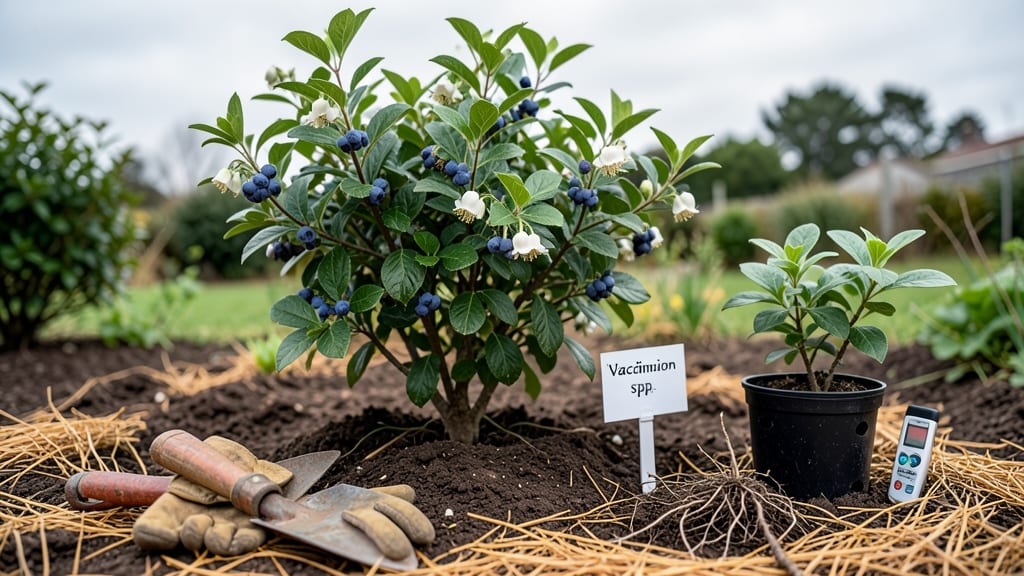
Timing your blueberry 🫐 planting in Kentucky isn’t just about picking a month—it’s about matching your local chill hours and frost dates to give your bushes the best shot at thriving.
Skip the guesswork, and you could end up with a bush that struggles to fruit or worse, dies back before summer. The good news? With the right window, you’ll set your blueberries up for years of juicy harvests with minimal fuss.
Kentucky’s 6a-7b climate means late winter to early spring is your sweet spot, but not all regions play by the same rules. Northern Kentucky’s cooler microclimates demand earlier planting than Louisville’s milder zones, and getting this wrong can mean waiting years for your first crop.
I’ll break down exactly when to dig in—whether you’re working with bare-root plants or container-grown bushes—so you can avoid common pitfalls like winter dieback or poor root establishment.
Here’s the game-changer: the ideal planting window hinges on two things—chill hours (which vary wildly across the state) and your last frost date. Plant too early, and frost can damage tender roots; too late, and your bush won’t have enough time to settle before summer heat hits.
You’ll learn how to check your local chill-hour zone, adjust soil pH for acidic-loving blueberries, and even extend your planting window with simple tricks like mulching or row covers.
Ready to turn your backyard into a blueberry powerhouse? Let’s dive into the exact months, soil prep secrets, and post-planting care that’ll have your bushes bursting with berries by June or July. No more waiting years for fruit—just a foolproof plan tailored to Kentucky’s quirks.
Best planting months for Kentucky blueberries by chill-hour Zone
Kentucky’s chill-hour zones (ranging from 500–1,000 hours) determine the perfect window for planting blueberries. Northern KY (USDA Zone 6a) needs cooler varieties, while Southern KY (Zone 7b) can handle heat-tolerant types. Planting outside these zones risks poor root growth or winter dieback.
For Northern Kentucky (e.g., Lexington, Owensboro), aim for late February to early March when soil thaws but buds haven’t yet swollen. Southern KY (e.g., Louisville, Bowling Green) can extend planting until mid-April due to warmer microclimates.
Use the Kentucky State Climate Office to check your last frost date—plant 4–6 weeks before to ensure roots establish before winter. Bare-root bushes need 6–8 weeks to harden off, while container-grown plants can handle later planting.
Missed the window? Fall planting is possible in Zone 7b (Southern KY) if done by October 15, but risks frost damage. Always verify your chill-hour zone using the USDA Plant Hardiness Map.
⚠️ WARNING: Planting too early (January) exposes roots to frost heave, while late planting (May) delays fruiting. Balance is key!
Bare-root blueberry bushes should be planted when dormant (no leaf buds). Container-grown plants offer a 2-week extension but require soil prep 4 weeks ahead. Test your soil’s pH (4.5–5.5)—blueberries are acid-loving and won’t thrive in alkaline soil.
Pro tip: Mix peat moss or pine bark fines into native soil to lower pH. Spread 3–4 inches of mulch (pine straw or wood chips) to retain moisture and suppress weeds. Avoid fresh sawdust, which can raise pH over time.
After planting, water deeply to remove air pockets in soil. Stake tall varieties (6+ ft) to prevent wind damage. Prune dead branches in early spring to encourage fruit production.
For container growing, use acidic potting mix and a pot at least 18 inches wide. Move containers to a protected spot if frost threatens. Container blueberries may fruit 1–2 years earlier than in-ground plants.
🌱
Best planting months for Kentucky blueberries by chill-hour Zone
Kentucky’s chill-hour zones (ranging from 500–1,000 hours) dictate the perfect window for planting blueberries 🫐. In Northern KY (Zone 6a), where chill hours top 800, aim for late February to early March—before buds swell but after the ground thaws.
Meanwhile, Southern KY (Zone 7b), with fewer chill hours, can wait until mid-March to April without risking winter stress.
Why the difference? Blueberries need dormancy periods to set fruit, and planting too late in cooler zones delays root establishment. Use the USDA Plant Hardiness Zone Map or the Kentucky State Climate Office to pinpoint your exact chill hours—this ensures your bushes fruit reliably.
| Zone | Chill Hours | Ideal Planting Window | Key Varieties |
|---|---|---|---|
| Northern KY (6a) | 800–1,000+ | Late Feb–Early Mar | Bluecrop, Patriot |
| Central KY (6b) | 600–800 | Early–Mid Mar | Duke, Jersey |
| Southern KY (7a-7b) | 500–600 | Mid–Late Mar | Premier, Sharpblue |
Planting bare-root bushes in February (Northern KY) or March (Southern KY) gives roots 6–8 weeks to establish before summer heat arrives. If you miss this window, container-grown plants can go in until early April, but they’ll need extra watering to compensate for slower root growth.
Pro tip: Test your soil pH (aim for 4.5–5.5) before planting—blueberries are acid-lovers and won’t thrive in alkaline soil. Amend with sulfur or peat moss if needed, and mulch with pine needles to maintain acidity naturally.
Timing isn’t just about months—it’s about avoiding frost risks. Planting too early (e.g., January in Northern KY) can expose tender roots to sub-freezing temps, while late April plantings may struggle to establish roots before summer drought. Balance is key!
For container growers, the window extends slightly later (until May), but ensure pots have drainage holes and use acidic potting mix. Containers dry out faster, so monitor soil moisture closely—blueberries hate soggy roots but wilting means stress.