
Plants
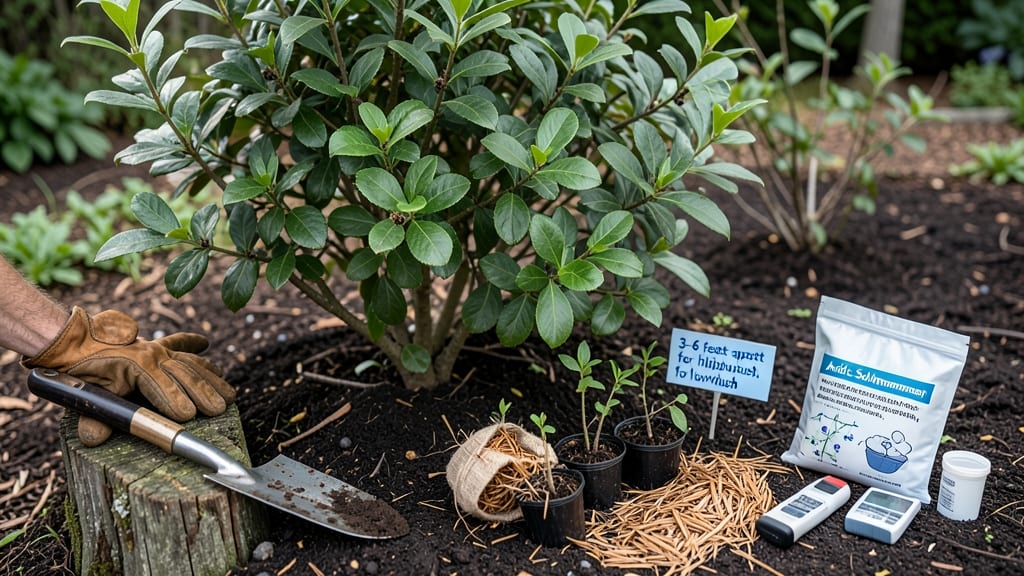
Timing your blueberry planting in Zone 5 can make or break your harvest—get it wrong, and you risk stunted growth or winter damage. The key to success lies in understanding your local frost dates and soil conditions, which vary more than you might think between early spring and fall.
Whether you're a first-time gardener or a seasoned grower, knowing when to plant blueberries in Zone 5 ensures your 🫐 bushes thrive for years.
Zone 5's short growing season means you've got just 4-6 weeks before the first frost to establish strong roots. Planting too early can leave young plants vulnerable to cold snaps, while waiting too late may not give them enough time to settle in.
The ideal window? Early spring or fall—both offer cooler temperatures and moist soil, perfect for root development.
In this guide, I'll break down the exact months to plant, how to prepare your soil for acidic-loving blueberries, and what to watch for if your timing is off.
You'll learn how to adjust for your microclimate, whether you're in a suburban backyard or a rural plot, so you can avoid common mistakes that lead to poor yields.
Ready to grow juicy, homegrown blueberries? Let's dive into the game-changer strategies that will set your bushes up for a bountiful harvest—starting with the perfect planting time for Zone 5.

Best planting window for blueberries in Zone 5: month-by-month frost-free guide
Blueberries thrive in Zone 5 when planted during their two ideal windows: early spring or fall. The key is timing your planting so roots establish before winter dormancy or summer heat stress.
In Zone 5, this means avoiding the last frost date (mid-May) and the first frost date (mid-October)—plant too early, and roots may freeze; too late, and growth stalls before winter.
For spring planting, aim for March to early April when soil temperatures reach 45°F (7°C). This gives roots 6–8 weeks to establish before summer heat. Fall planting works best in September to early October, allowing roots to settle before winter chill sets in.
Both windows avoid the dormant season while maximizing root growth.
Here’s the critical rule: Plant bare-root blueberries 4–6 weeks before your first frost or after the last frost date. In Zone 5, this typically means late March to early April for spring or September to early October for fall.
Container-grown blueberries offer slightly more flexibility but still need 4–6 weeks of warm soil before winter.
📅 Zone 5 Blueberry Planting Timeline
| Season | Ideal Planting Window | Soil Temp Threshold | Root Establishment Goal |
|---|---|---|---|
| Spring | Late March–Early April | 45°F (7°C) | 6–8 weeks before summer heat |
| Fall | September–Early October | 50°F (10°C) | 4–6 weeks before first frost |
| Avoid | May–August, December–February | N/A | High stress risk (heat/frost) |
💡 Pro Tip: Use a soil thermometer to confirm temps—blueberries need warm soil to root effectively.
Microclimates matter in Zone 5. Urban gardeners with concrete heat islands may plant 1–2 weeks earlier in spring, while rural areas with colder nights should delay until soil warms. For container gardening, extend your window by 2 weeks—pots warm faster and can be moved to sheltered spots.
If you miss the ideal window, don’t panic. Container-grown blueberries can be planted throughout the growing season (April–September), but bare-root plants need cool, moist soil. For late plantings, use mulch to insulate roots and water deeply to reduce transplant shock.
Just avoid planting in extreme heat (above 85°F/29°C), which stresses roots.
Blueberries in Zone 5 also benefit from cross-pollination. Plant two varieties (e.g., Bluecrop and Jersey) 10–15 feet apart to ensure fruit set. If space is limited, choose self-pollinating varieties like Patriot, but expect 20–30% fewer berries.
After planting, focus on mulching with pine needles or wood chips to maintain soil acidity and retain moisture. This mimics their natural forest-floor habitat and protects roots from temperature swings. In Zone 5, mulch 3–4 inches deep and replenish annually—it breaks down quickly in our climate.
Finally, prune in late winter (just before buds swell) to remove dead wood and shape the bush. This encourages fruit-bearing wood to develop, ensuring a bountiful harvest in mid-to-late summer. Prune after flowering if you missed the winter window, but avoid heavy cuts that remove next year’s fruit buds.
With the right timing, your Zone 5 blueberries will survive winters, thrive in summers, and reward you with juicy, homegrown berries for years to come. 🫐
Best planting window for blueberries in Zone 5: month-by-month frost-free guide
Zone 5 gardeners have two prime windows to plant blueberries: early spring (March–April) or fall (September–October). These timelines align with soil warming and cooling cycles, giving roots 4–6 weeks to establish before dormancy.
The last frost date (mid-May) and first frost date (mid-October) are your anchors—plant too late, and roots won’t harden before winter.
Spring planting (after frost risk passes) gives young bushes 3–4 months of growth before winter, while fall planting (4–6 weeks before frost) leverages cooler temps to reduce stress. Both methods work, but fall planting often yields stronger root systems because cooler soil encourages deeper growth without heat stress.
🌱 Pro Tip: Check your local USDA Zone 5a/5b frost maps—urban areas often frost 1–2 weeks later than rural zones due to the "heat island" effect. Adjust your timeline accordingly.
| Season | Ideal Months | Soil Temp | Key Action |
|---|---|---|---|
| Spring | March–April | 45–55°F | Plant after last frost; water deeply weekly. |
| Fall | September–October | 50–60°F | Plant 4–6 weeks before frost; mulch heavily. |
| Avoid | May–August | N/A | Heat stress stunts root growth; risk of drought. |
For container gardening in Zone 5, spring planting is safer—pots warm up faster and can be moved to shade if late frosts hit. If you’re planting in raised beds, fall is ideal because the soil stays cooler longer, mimicking natural forest conditions blueberries thrive in.
🌡️ Critical: Use a soil thermometer to confirm temps—blueberry roots need 45°F+ to grow. If soil is colder, wait 1–2 weeks. Overheated soil (above 80°F) can burn roots, so avoid summer planting entirely.
Once planted, prioritize mulching with pine needles (to acidify soil) and consistent moisture—Zone 5’s dry spells can stress young bushes. With the right timing, your blueberries will reward you with harvests in 2–3 years, not the 5+ years many gardeners expect!