
Plants
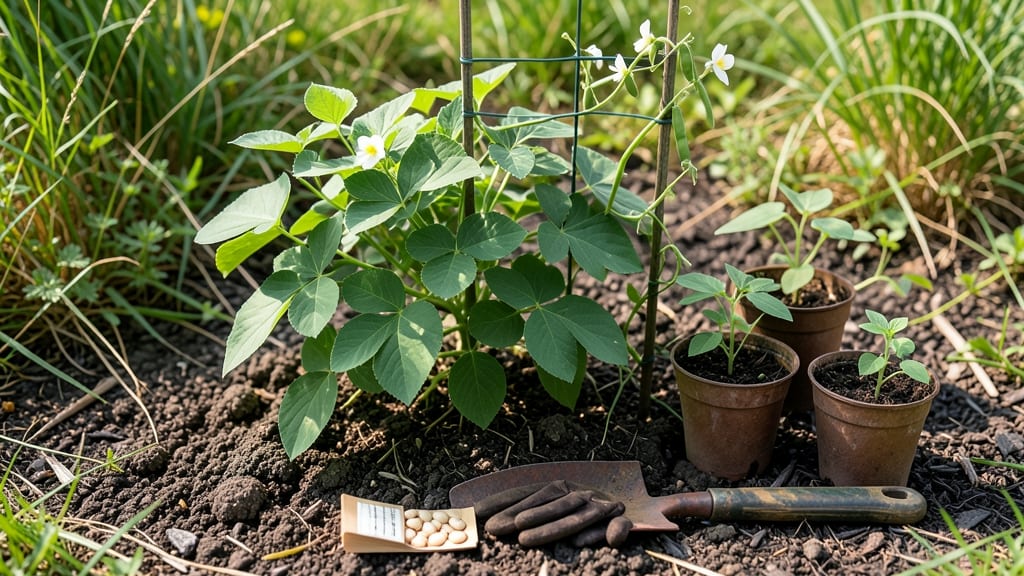
Timing your bean planting in Kentucky can make or break your harvest—get it wrong, and you might end up with stunted plants or wasted seeds. With USDA zones 6a-7a and a short growing season, knowing the exact window to plant is the key to success.
The ideal time to sow your 🌱 beans is after the last frost, typically between April 15 and May 15, when soil temperatures hit 60°F.
Why does this matter? Kentucky’s climate swings from chilly springs to scorching summers, and beans are sensitive to both extremes. Planting too early risks frost damage, while waiting too long means your harvest could get cut short by summer heat.
I’ll break down the best varieties for your zone and share proven strategies to maximize your yield—no guesswork involved.
Most gardeners in Kentucky focus on spring planting, but there’s more to it than just tossing seeds into the ground. We’ll cover soil prep, seed depth, and companion planting to help your beans thrive.
Whether you’re a first-timer or a seasoned gardener, these tips will help you avoid common mistakes and enjoy a bountiful harvest from July through September.
Ready to grow beans that stand tall and produce like champions? Let’s dive into the exact steps and timing that’ll turn your Kentucky garden into a green bean powerhouse—no more missed opportunities or half-hearted harvests.
Kentucky bean planting zones: exact frost-free dates by region
Kentucky’s USDA hardiness zones 5b-7a create a 10-14 day difference in frost-free dates across the state. In Zone 5b (northeast), the last frost typically arrives by April 15, while Zone 7a (southwest) can plant as early as March 20.
These dates determine your optimal planting window for maximum yields.
For Zone 6a (central Kentucky), the safest time to plant beans is April 22-May 5, aligning with the average last frost date of April 25.
This window ensures your seeds won’t face unexpected late frosts that can stunt young plants. Always verify with your local cooperative extension office for year-to-year variations.
In Zone 7a, where summers are hotter, you can start planting as early as March 20 for heat-tolerant varieties like 'Contender' or 'Blue Lake'. However, soil temperature is more critical than calendar dates—wait until the soil reaches 60°F at a 2-inch depth for reliable germination.
Here’s a quick reference for Kentucky’s three key regions:
| Zone | Last Frost Date | Planting Window | Notes |
|---|---|---|---|
| 5b (Northeast) | April 15 | April 22 - May 5 | Use cold-tolerant varieties like 'Kentucky Wonder' |
| 6a (Central) | April 25 | April 22 - May 10 | Ideal for bush beans; extend harvest with succession planting |
| 7a (Southwest) | March 20 | March 20 - April 15 | Hot summers; choose heat-resistant varieties |
For Zone 5b gardeners, planting too early can be disastrous—late frosts after April 15 can kill young seedlings. Instead, use row covers or plant in containers for earlier starts.
In Zone 7a, the real challenge is heat stress—beans prefer 70-85°F days but can struggle in 90°F+ temperatures.
To maximize your harvest, consider staggered planting every 2 weeks from April through June. This ensures a continuous supply of fresh pods from July through September.
For example, plant 30% of seeds on April 22, another 30% on May 5, and the final 40% on May 19 in Zone 6a.
Another critical factor is first frost dates. In Kentucky, the average first frost occurs around October 31, but beans need 80-100 days to mature. This means your latest planting should be by July 15 in Zone 5b and August 1 in Zone 7a for a harvest before frost.
Use a soil thermometer to confirm readiness—60°F soil is non-negotiable for germination. In cooler zones, black plastic mulch can warm the soil by 5-10°F, allowing earlier planting. For containers, place them on black trays or use heat mats to extend the season.
Pro tip: Monitor the National Weather Service’s Kentucky frost maps or use apps like Frost Freeze to get real-time alerts for your specific location. This helps you adjust planting dates if an unexpected cold snap is forecasted.
Best bean varieties for Kentucky’s climate and how to time them
Not all bean varieties thrive in Kentucky’s hot summers and short growing season. Choosing the right type—and planting it at the perfect time—can mean the difference between a bountiful harvest and struggling plants.
The two main categories, bush beans and pole beans, each have unique advantages for Kentucky gardeners.
Bush beans, like 'Blue Lake' or 'Kentucky Wonder', mature quickly (about 50-60 days) and are ideal for early spring or late summer plantings.
Pole beans, such as 'Contender' or 'Blue Lake Pole', take longer (around 60-70 days) but produce more over time, making them perfect for mid-spring plantings when the soil is consistently warm.
For Kentucky’s Zone 7a areas, heat-tolerant varieties like 'Iron Clay' or 'Scarlet Runner' are excellent choices. These varieties can handle the 90°F+ temperatures common in July and August, extending your harvest window.
Meanwhile, in Zone 6a, cooler-tolerant types like 'Provider' or 'Tendergreen' are better suited to avoid early-season frost damage.
Timing is critical for both types. Bush beans should be sown 2-3 weeks after the last frost (around mid-April to early May), while pole beans benefit from a slightly later start (around late April to mid-May) to ensure the soil has warmed to at least 60°F.
This timing aligns with Kentucky’s average last frost date of April 15, giving your plants enough time to mature before summer heat sets in.
🌱 Bean Variety Comparison for Kentucky
Best for early/late plantings
50-60 days to harvest
Examples: Blue Lake, Kentucky Wonder
Best for mid-spring plantings
60-70 days to harvest
Examples: Contender, Scarlet Runner
Best for Zone 7a
Handles 90°F+ temps
Examples: Iron Clay, Provider
Best for Zone 6a
Avoids frost damage
Examples: Tendergreen, Scarlet Runner
To maximize your harvest, consider staggered planting. Sow bush beans every 2 weeks from mid-April through early June for a continuous supply.
Pole beans, which produce over a longer period, can be planted once in late April to early May, allowing them to climb and yield throughout the summer. This strategy ensures you have fresh beans from July through September, even as temperatures rise.
For soil temperature, use a soil thermometer to confirm it’s reached 60°F before planting. Cold soil slows germination, and beans won’t sprout if the ground is too chilly.
In Kentucky, this usually aligns with late April to early May, but always check local forecasts for frost warnings—even a light freeze can devastate young seedlings.
Pro tip: Mix in compost or aged manure before planting to enrich the soil with nitrogen, which beans naturally fix but still appreciate early on. Avoid over-fertilizing, though, as too much nitrogen can reduce pod production. Instead, focus on well-draining soil with a pH of 6.0-7.0 for optimal growth.