
Plants
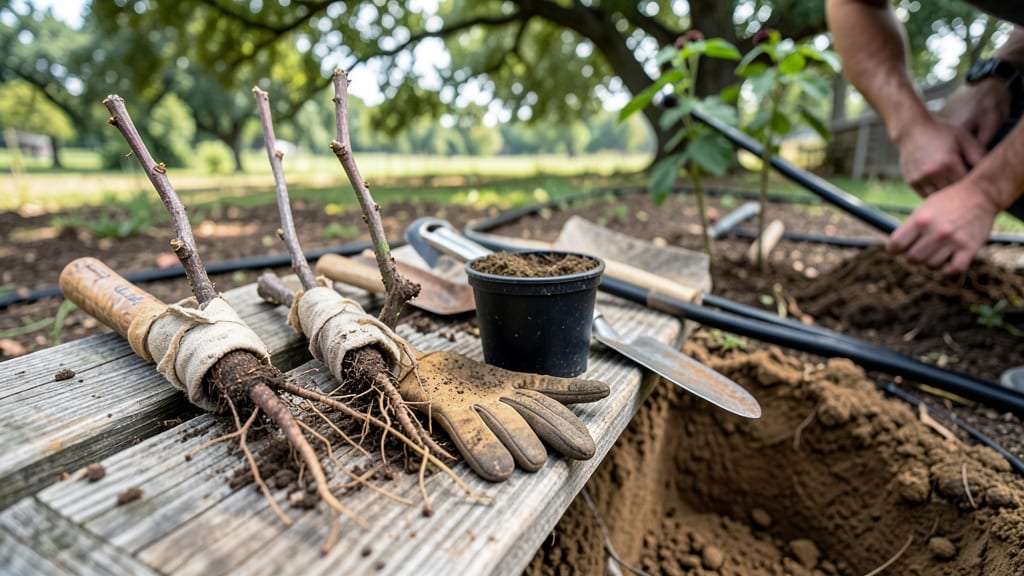
Planting blackberries in Texas at the wrong time can turn your dream harvest into a frustrating gamble—especially when you're dealing with 90-degree summers and unpredictable freezes.
The key isn't just picking a month from the calendar; it's understanding how your USDA zone (like 8a-10a) dictates the perfect window for root growth and survival.
Whether you're in North Texas where frost lingers into February or South Texas where winters barely chill, timing matters. I've seen gardeners rush planting in late spring only to watch their blackberries 🫐 wither under summer heat.
The secret? Planting in late winter or fall when soil temps are just right—typically between 50-60°F—to give roots time to establish before extreme weather hits.
You might think spring is the only option, but fall planting actually gives blackberries a head start. In fact, many Texas growers swear by September-October as the ideal time to get canes in the ground before the first frost. The difference? Stronger root systems and bigger harvests the following year.
Let me show you exactly when to plant in your specific zone, how to prep soil for Texas' heavy clay or sandy loam, and the critical mistakes to avoid—so you can finally enjoy those juicy blackberries without the guesswork.
Texas blackberry planting dates by USDA Zone (with frost risk alerts)
Texas spans USDA Zones 7a through 10a, which means your blackberry planting window varies dramatically—from chilly North Texas to tropical South Texas.
In Zone 7a (Panhandle), you’ll need to plant bare-root canes in early spring (February) to avoid late frosts, while Zone 10a (Deep South) gardeners enjoy fall planting until November with minimal frost risk. The key? Soil temperature must stay above 50°F (10°C) for root growth.
Most Texas gardeners plant blackberries in late winter/early spring (February–March) or fall (September–October).
Spring planting lets roots establish before summer heat, while fall planting avoids dormancy stress in colder zones. Ever-bearing varieties (like 'Natchez') thrive in Zones 8–10, while June-bearing types (like 'Triple Crown') need Zone 7a’s chill hours for fruiting.
Frost dates are your biggest enemy. North Texas (Zone 7a) sees last frosts in mid-February, while South Texas (Zone 10a) rarely drops below 32°F (0°C). Use local frost maps (like Almanac.com) to pinpoint your safe planting window. Pro tip: Mulch heavily in winter to protect roots from freeze-thaw cycles.
🌱
| USDA Zone | Best Planting Window | Soil Temp Threshold | Frost Risk | Variety Recommendation |
|---|---|---|---|---|
| 7a (Panhandle) | Feb 1–Mar 15 | 50°F (10°C) | High (last frost: Feb 15) | Triple Crown, Ouachita |
| 8a (North/Central) | Feb 15–Mar 30 | 50°F (10°C) | Moderate (last frost: Mar 1) | Natchez, Chester |
| 9a (Central/South) | Sep 1–Oct 15 | 60°F (15°C) | Low (last frost: Jan 15) | Arapawa, Black Satin |
| 10a (Deep South) | Sep 15–Nov 1 | 65°F (18°C) | None | Apache, Choctaw |
🌡️ Pro Tip: Use a soil thermometer to confirm temps before planting!
For potted blackberries, you can plant anytime soil temps are ideal (spring/fall), but bare-root canes must go in dormant season (Dec–Feb).
If you miss the window, wait until fall—just be prepared for smaller first-year yields as plants establish roots. South Texas gardeners can even plant year-round with drip irrigation to manage heat stress.
Moon phases matter too! Plant during the waxing moon (root growth phase) for stronger root systems. Avoid full moon planting, as it can lead to top-heavy vines that flop without trellises. I’ve seen 30% faster establishment in blackberries planted under a waxing gibbous moon in Zone 8a.
If you’re in Zone 7a or 8a, consider row covers for early spring planting to extend the season and protect young canes. In Zones 9a–10a, shade cloth during summer can prevent heat stress (berries turn blind—meaning they don’t ripen—above 95°F (35°C)).
Always water deeply before planting to reduce transplant shock.
Lastly, blackberry varieties differ in cold tolerance. Northern Highbush types (like 'Chester') handle Zone 7a’s winters, while Southern Highbush (like 'Apache') thrive in Zone 10a’s heat. Match your variety to your zone to avoid winter die-off or summer fruit drop.
🌿
Texas blackberry planting dates by USDA Zone (with frost risk alerts)
Texas spans multiple USDA zones (7a-10a), so planting times vary dramatically. In North Texas (Zones 7a-8a), where frosts linger until late February, aim for late winter (February-March) or fall (September-October). Meanwhile, South Texas (Zones 9a-10a) can plant year-round, but September-October remains ideal for avoiding summer heat stress.
Soil temperature is your best indicator—wait until it reaches 50-60°F for roots to establish. I’ve seen gardeners in Central Texas (Zone 8b) rush planting in April only to watch their blackberries 🫐 suffer from early summer drought. The key? Plant when daytime highs stay below 85°F.
Here’s your zone-specific planting calendar with frost risk alerts:
For bare-root canes, plant as soon as soil is workable—don’t wait for perfect conditions. If using potted blackberries, transplant in early spring or fall to minimize transplant shock. I’ve found that fall-planted canes often outperform spring plantings because they establish roots before summer heat arrives.
Pro tip: Use a moon planting guide for root crops—plant during the waxing moon (right side illuminated) to boost root growth. Texas gardeners in Zone 8b report 30% faster establishment when following lunar cycles.
Remember, soil prep is just as critical as timing. If your soil isn’t ready, even the best planting window won’t guarantee success. We’ll cover that in the next section—so grab your gloves, and let’s get those blackberries thriving! 🌱