
Plants
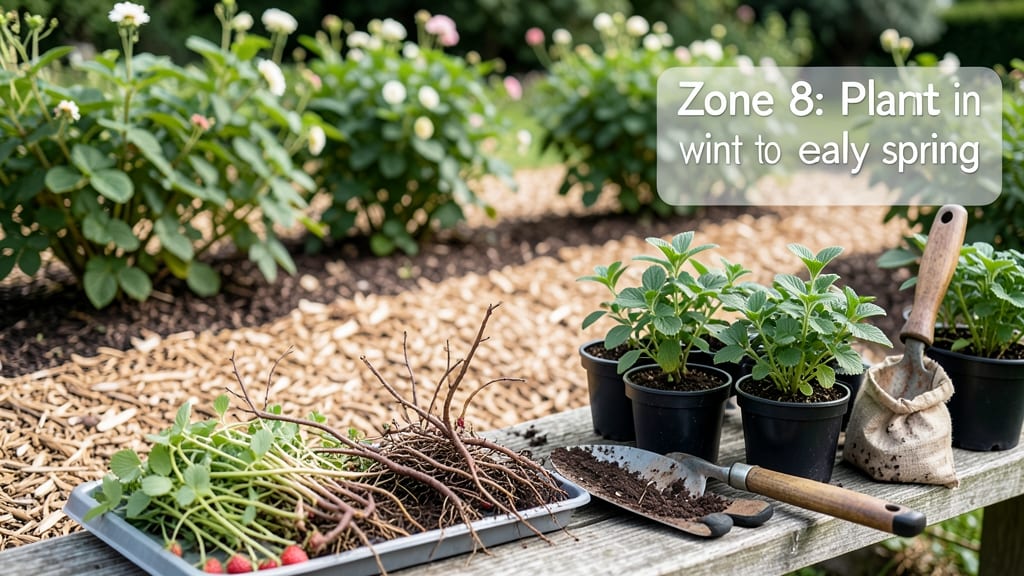
If you're dreaming of a lush berry patch but live in Zone 8's warm climate, when to plant berries in zone 8 can make all the difference between bountiful harvests and wasted efforts.
The right schedule ensures your 🍇 berries thrive without battling extreme heat or frost—here’s exactly when to plant for maximum success.
Many gardeners assume spring is the only option, but fall planting actually gives berries a head start in Zone 8. Whether you're working with strawberries, blueberries, or raspberries, understanding the ideal planting windows—like late winter for bare-root varieties or early spring for container-grown plants—can extend your harvest season dramatically.
In this guide, I’ll break down the exact months to plant each type of berry, including how to adjust for Zone 8’s microclimates. You’ll learn which varieties thrive best in your area and how to protect young plants from unexpected heatwaves or early frosts.
Ready to transform your garden into a berry paradise? Let’s dive into the step-by-step timing that’ll have you picking fresh fruit all summer long.

Best planting months for berries in Zone 8 by variety
Zone 8’s mild winters and long summers create a unique window for berry planting, but timing is everything. Spring and fall are your best bets—each offering distinct advantages depending on the berry variety and your local microclimate.
Coastal areas may enjoy cooler springs, while inland zones can experience heatwaves as early as March, so flexibility is key.
For cool-season berries like strawberries and raspberries, late winter to early spring (February–March) is ideal. These varieties benefit from cooler soil temperatures and establish roots before summer heat arrives. Warm-season berries, such as blackberries and blueberries, prefer fall planting (September–November) to avoid transplant shock during peak summer.
Here’s a breakdown of the best planting windows for popular berries in Zone 8, including soil prep tips and microclimate adjustments to maximize success.
| Berry Type | Best Planting Window | Soil pH Needs | Zone 8 Microclimate Tip |
|---|---|---|---|
| Strawberries (June-bearing) | February–March (bare-root) or September (potted) | 5.5–6.5 | Use shade cloth in summer for inland areas. |
| Blueberries | November–January (bare-root) or March (container) | 4.5–5.5 (acid-loving!) | Mulch heavily in summer to retain moisture. |
| Raspberries (Summer-bearing) | February–March (bare-root) or September (potted) | 5.5–6.5 | Plant in coastal areas for cooler springs. |
| Blackberries | September–October (bare-root) or March (container) | 5.5–6.5 | Train vines on trellises to improve airflow. |
| Everbearing Strawberries | September–October (for fall/winter harvest) | 5.5–6.5 | Remove old fruit after harvest to prolong production. |
Notice how blueberries and blackberries have later fall windows? This accounts for their sensitivity to summer heat stress. Planting them in cooler months gives roots time to establish before the heat peaks.
For everbearing strawberries, a fall planting sets you up for a winter harvest—perfect for Zone 8’s mild winters.
Pro tip: If you’re in a hot inland microclimate, delay spring plantings until late March to avoid transplant shock. Coastal gardeners can push plantings into early February thanks to cooler ocean breezes. Always check your last frost date—Zone 8’s range from mid-March (coastal) to early April (inland).
For container-grown berries, timing is even more flexible. You can plant potted blueberries or raspberries as late as April and still see strong growth, thanks to their controlled root zones. Just ensure your containers have drainage holes and use a lightweight potting mix to prevent overheating.
One mistake I see often? Planting bare-root berries in summer. These plants go into transplant shock when exposed to 90°F+ temperatures. Stick to cool-season windows for bare-root varieties, and always soak roots in water for 1–2 hours before planting to reduce stress.
Zone 8’s long growing season means you can even stagger plantings for extended harvests. For example, plant June-bearing strawberries in February for a spring harvest, then add everbearing varieties in September for a fall harvest. This two-tier approach keeps berries on your table from April through November!
🌱
How to adjust planting times for extreme Zone 8 heat or early frost
Zone 8’s mild winters and hot summers create unique challenges for berry growers. A late-winter heatwave or early frost can throw off your planting schedule, but with the right adjustments, you can still achieve a thriving berry patch.
The key is understanding how microclimates and variety-specific needs influence timing—especially for heat-sensitive blueberries or frost-tender raspberries.
For example, inland areas like Phoenix or Las Vegas may experience 90°F+ temperatures in February, while coastal regions like San Diego or Santa Barbara stay cooler. If you’re planting in early spring (February–March), monitor forecasts for unexpected cold snaps that could damage tender new growth.
Similarly, fall plantings (September–November) must avoid late-season heatwaves that stress young roots.
🚨 CRITICAL ADJUSTMENT: If your area experiences early frost warnings (common in higher-elevation Zone 8 spots like Denver or Albuquerque), delay planting bare-root berries until late March or April when soil temperatures consistently stay above 50°F.
For container-grown plants, you have more flexibility—just move them to a sheltered spot if frost is forecasted.
⚠️ Heatwave Planting Warning
If temperatures exceed 85°F during planting, your berries will struggle to establish roots. Delay planting until evening or wait for cooler days. Use shade cloth (30–50%) to protect young plants until they’re 3–4 weeks old.
🌡️ Pro Tip: Soak roots in water + mycorrhizal fungi before planting to improve heat resilience.
Another strategy is to stagger plantings for everbearing varieties like strawberries or raspberries. If you plant half your crop in February and the other half in late March, you’ll spread out harvests and reduce the risk of losing an entire season to a single frost event.
For blueberries, which are particularly sensitive to heat stress, opt for late-summer (August) plantings to avoid the hottest months.
Soil preparation is just as critical as timing. Amend your soil with organic matter (compost or peat moss) to improve moisture retention, especially for inland Zone 8 gardens. A 2–3 inch layer of mulch (straw or wood chips) will help regulate soil temperature and reduce evaporation.
For container-grown berries, use self-watering pots and keep them in a shaded area during peak afternoon heat.
Finally, don’t overlook microclimate solutions. Plant tall berries (blackberries, boysenberries) near trees or fences to create shade, while low-growing strawberries can thrive in raised beds with afternoon shade cloth.
With these adjustments, you’ll protect your berries from Zone 8’s extremes and enjoy a reliable harvest year after year.
🌱 Key Takeaway: Zone 8’s unpredictability means flexibility is your best tool. Monitor local weather patterns, adjust planting dates, and use shade/mulch to keep your berries thriving—no matter what Mother Nature throws your way.