
Plants
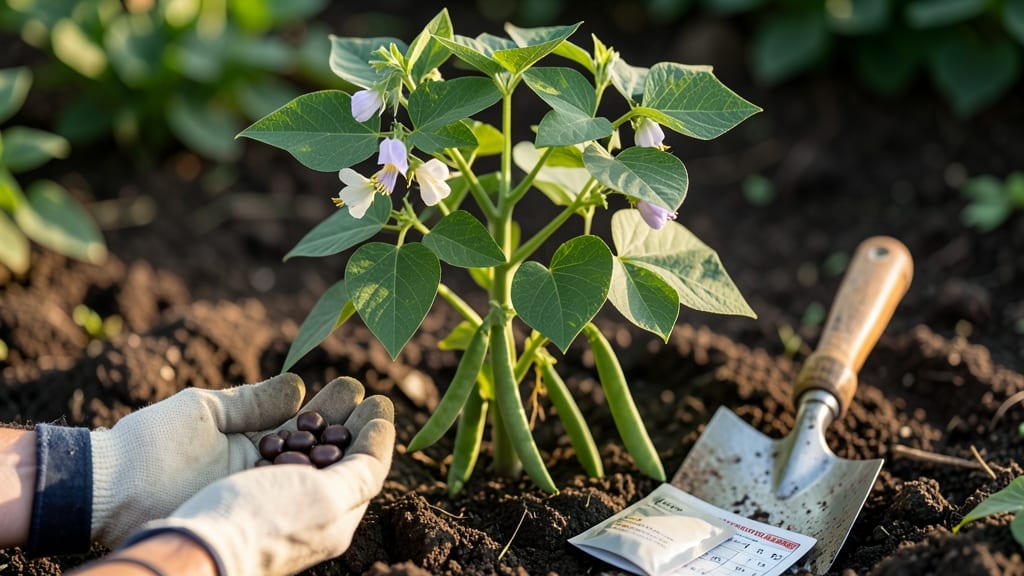
Knowing when to plant beans in Wisconsin could mean the difference between a bumper crop and wasted effort—because those little seeds need just the right conditions to thrive. Wisconsin’s unpredictable springs make timing everything, especially when you’re balancing frost dates, soil warmth, and variety-specific needs.
Whether you’re growing bush beans for quick harvests or pole beans for a summer-long supply, getting it right ensures your garden delivers sweet, tender pods all season long.
Most gardeners here wait until after the last frost date, but that’s only half the story—soil temperature is the real game-changer. Beans love warmth, and planting too soon when the ground is still chilly can stall germination or invite pests.
I’ll show you exactly how to check soil temps (and when to adjust for cool springs), so you can avoid common mistakes and set your beans up for success from day one.
From Madison’s milder climate to Green Bay’s cooler shores, Wisconsin’s regions have different windows for planting.
We’ll break down the best varieties for each area—like fast-maturing bush beans for short seasons or heat-tolerant pole beans for longer harvests—and share pro tips for extending the growing season with row covers or mulch. No more guessing whether your beans will bolt or wither before they’re ready to pick.
Ready to turn your garden into a bean bonanza? Let’s dive into the exact dates, soil checks, and variety tricks that will have you harvesting fresh, homegrown beans by midsummer—no matter where you are in the Badger State.
Wisconsin bean planting calendar: exact dates by soil temperature and variety
Wisconsin’s variable climate—from chilly Northern regions to milder Southern areas—demands precision when planting beans. The golden rule? Wait until the soil temperature consistently hits 50°F or warmer at a 4-inch depth. This threshold ensures seeds germinate properly and avoids frost damage to tender seedlings.
For Southern Wisconsin (Madison, Milwaukee), aim for mid-to-late May when last-frost dates average around April 20-30.
In Northern Wisconsin (Green Bay, Eau Claire), push planting to late May or early June to account for later frost risks. Pole beans and bush beans both thrive in these windows, but timing varies slightly by variety.
Here’s the critical timeline for Wisconsin gardeners: 14-21 days before your last frost, sow seeds indoors (if starting early). 2-3 weeks after last frost, transplant seedlings or direct-sow outdoors. For succession planting, repeat sowings every 2-3 weeks until mid-July to extend harvests into fall.
🌱
| Region | Last Frost Avg. | Ideal Planting Window | Soil Temp Threshold | Best Varieties |
|---|---|---|---|---|
| Southern WI (Madison, Milwaukee) | April 20-30 | Mid-to-late May | 50°F+ (4" deep) | Blue Lake, Contender |
| Northern WI (Green Bay, Eau Claire) | May 10-20 | Late May-early June | 55°F+ (4" deep) | Kentucky Wonder, Provider |
| All Regions (Succession) | N/A | Every 2-3 weeks until mid-July | 50°F+ (4" deep) | All varieties |
Pole beans like ‘Kentucky Wonder’ need longer growing seasons (80-90 days to maturity), so prioritize early planting in Southern Wisconsin. Bush beans such as ‘Blue Lake’ mature faster (50-60 days), making them ideal for Northern Wisconsin’s shorter seasons. Always check seed packets for days-to-maturity labels to match your region’s frost-free window.
Pro tip: Use black plastic mulch to warm soil faster and row covers to protect early seedlings. In Northern Wisconsin, consider starting seeds indoors 4-6 weeks before outdoor planting to jumpstart growth. This extra step can add 2-3 weeks to your growing season, crucial for late frosts.
For fall harvests, plant heat-tolerant varieties like ‘Romano’ pole beans in mid-July. These varieties handle cooler late-summer temps better and produce pods into early October before hard frosts hit. Just be sure to harvest regularly to encourage continuous production.
🌿
Wisconsin’s microclimates can shift planting windows by 1-2 weeks even within the same county. Pay attention to local frost data from sources like the Midwest Regional Climate Center or your local Cooperative Extension office.
If you’re unsure, err on the side of planting later—beans tolerate hotter soil better than cold soil, and a delayed start is safer than a frost-killed crop.
Finally, keep a planting journal to track your success. Note which varieties thrive, when you planted, and any weather anomalies. Over time, you’ll refine your Wisconsin-specific schedule for peak bean production year after year.
☀️
How to test soil temperature for beans: a Wisconsin gardener’s guide
Testing your soil temperature is the secret to knowing when to plant beans in Wisconsin. Unlike air temperature, soil warmth directly impacts seed germination. Beans thrive when soil reaches 50°F or warmer—any cooler, and your seeds may rot or fail to sprout.
A simple soil thermometer (just $10 at garden centers) is your best tool for accuracy.
Start checking soil temps 2 weeks before your target planting date. Stick the thermometer 2 inches deep—this mimics the depth where most bean seeds are planted.
Morning readings (between 9 AM and 11 AM) are ideal because soil cools overnight. If temps fluctuate, take readings over 3 consecutive days to spot trends.
🌱
Planting beans when air temps hit 60°F but soil temps are still below 50°F. This happens often in Wisconsin’s late spring—cool, damp soil delays germination or invites fungal diseases.
If your soil is still too cold, don’t rush—beans won’t tolerate being planted too early. Instead, use row covers or a cold frame to protect seedlings once they sprout. These tools buy you 2–3 extra weeks of growing time, which is crucial for Wisconsin’s short summer.
For example, in Madison, average last-frost dates hover around May 15, but soil may not warm up until late May or early June.
For pole beans, which take longer to mature, aim for soil temps of 60°F+ if possible. Their deeper roots benefit from slightly warmer soil. Meanwhile, bush beans are more forgiving and can handle the 50°F threshold.
Always plant after the last frost date for your area—check the Wisconsin State Climatology Office for local averages.
Once your soil hits the sweet spot, act fast! Beans germinate best when planted in warm, moist soil. Water the area thoroughly 24 hours before planting to create the perfect environment for seeds.
After planting, keep the soil consistently moist (but not soggy) until germination, which typically takes 7–14 days depending on the variety.
💧