
Plants
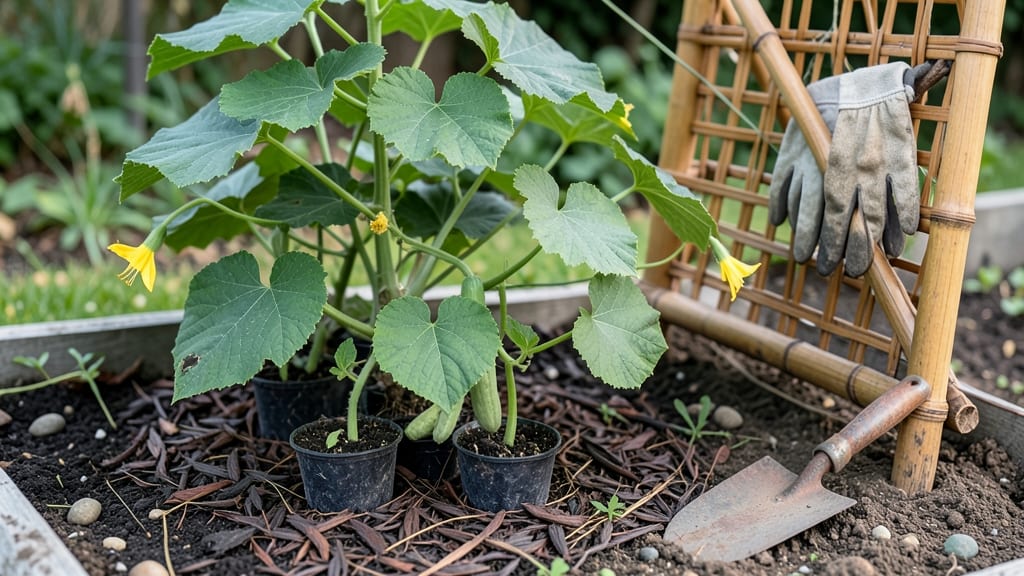
Timing your cucumber planting in West Virginia’s 6a zone can feel like guessing—too early, and frost zaps your seedlings; too late, and you miss the sweet spot for July-September harvests.
The key? Understanding your microclimate, whether you're in the Appalachian valleys or Piedmont plains, where soil warms 2-3 weeks earlier in lower elevations.
Most gardeners here wait until mid-April to early May, after the last frost (usually around April 15), but that’s just the starting line. Soil temperature matters more—wait until it hits at least 60°F before planting those 🥒 seeds directly or transplanting seedlings.
Skipping this step means slow starts and stunted vines.
I’ve learned the hard way that West Virginia’s humidity and pests demand extra prep. Whether you’re growing bush varieties like ‘Straight Eight’ or vining types like ‘Marketmore,’ timing isn’t just about dates—it’s about giving your plants the head start they need to outpace cucumber beetles and powdery mildew.
Ready to master it? I’ll walk you through exact planting windows, soil prep tricks, and how to stretch your harvest into fall—no more wasted seeds or empty vines. Let’s get those cucumbers growing right.
West Virginia’s cucumber planting zones: when to start indoors vs. outdoors
West Virginia’s USDA zones 5b-7a create a unique challenge for cucumber growers, with last frost dates varying by 2-3 weeks across regions. In the Piedmont (Charleston area), you’ll typically plant outdoors by mid-April, while Appalachian highlands (like Beckley) often wait until late April to early May.
Understanding these zones helps you avoid frost damage and maximize your 70-day harvest window.
For direct sowing, wait until soil temperatures reach 60°F+—a critical threshold for cucumber germination. In most of WV, this aligns with late April to early May, but mountain valleys may need to push planting to mid-May due to cooler microclimates.
Starting seeds indoors 3-4 weeks before your last frost date gives seedlings a head start, especially in Zone 5b areas.
| Region | USDA Zone | Last Frost Date | Outdoor Planting Window | Indoor Start (Seeds) |
|---|---|---|---|---|
| Piedmont (Charleston) | Zone 7a | April 15 | Mid-April | March 15 |
| Central (Morgantown) | Zone 6b | April 25 | Late April | March 25 |
| Appalachian Highlands (Beckley) | Zone 5b | May 5 | Early May | April 5 |
| Northern Panhandle (Martinsburg) | Zone 6a | April 20 | Late April | March 20 |
If you’re in Zone 5b or higher elevations, prioritize hardy varieties like ‘Northern Pickling’ or ‘Straight Eight’—they tolerate cooler soils better than heat-loving types. For direct sowing, use black plastic mulch to warm the soil faster, especially in Appalachian valleys where nights stay chilly longer.
This trick can shave off 7-10 days from your planting timeline.
Pro tip: Check soil temperature with a thermometer before planting—cucumbers won’t germinate below 60°F, even if air temps feel warm. In Zone 6a, this often means waiting until late April for outdoor sowing.
For container growing, use 5-gallon pots and move them to warmer microclimates (like near south-facing walls) to extend your season.
West Virginia’s humidity levels (often 70%+) can also delay germination, so keep seeds moist but not soggy until sprouts appear. If you’re in a low-lying area like the Kanawha Valley, consider raised beds to improve drainage and soil warmth.
These beds can be planted 2 weeks earlier than in-ground soil.
For succession planting, make your last outdoor sowing by July 1st—this ensures harvests before the October 15th first frost. Use fast-maturing varieties (like ‘Bush Champion’) for these late plantings.
In Zone 7a, you might even squeeze in a fall harvest if you use row covers to protect vines from early frosts.
Remember: Mountain vs. valley differences matter! A 1,000-foot elevation gain can shift your planting window by 10 days. For example, Lewisburg (Zone 6a) plants 2 weeks earlier than Elkins (Zone 5b). Always adjust based on your local microclimate, not just the USDA zone.
Finally, mark your calendar for West Virginia’s average last frost dates—they’re your cue to start seeds indoors or harden off transplants. In Zone 7a, you might even try two plantings: one in April and another in June for a staggered harvest.
Just be ready to protect young plants with row covers if late frosts sneak in.
With these region-specific timelines, you’ll avoid the common mistake of planting too early and risking frost damage—or too late and missing peak harvest season. West Virginia’s short growing season demands precision, but with the right timing, you’ll enjoy homegrown cucumbers from July to September.
Microclimate adjustments: how elevation and soil affect cucumber planting timing
West Virginia’s dramatic elevation changes—from the Appalachian Mountains to the Piedmont Plateau—create microclimates that shift cucumber planting windows by 2-3 weeks. High-elevation areas like Monongahela National Forest experience frost up to 3 weeks later than Charleston, forcing gardeners to adjust timing carefully.
Soil temperature is the critical factor for germination. Cucumbers won’t sprout until soil reaches 60°F, which typically occurs mid-May in mountain regions but as early as late April in valleys. Use a soil thermometer to avoid guessing—cold soil delays growth by 10+ days.
| Region | Avg. Last Frost | Soil Warmth (60°F) | Planting Window |
|---|---|---|---|
| Mountain Valleys (e.g., Elkins) | May 10-15 | Mid-May | Late May - Early June |
| Piedmont (e.g., Morgantown) | April 25-May 5 | Late April | Early May |
| Lowland Valleys (e.g., Charleston) | April 15-20 | Early April | Mid-April (with row covers) |
| High Elevation (3,000+ ft) | May 20-25 | Late May | Early June |
Heavier clay soils in northern WV retain cold longer, while sandy soils in the southern valleys warm faster. Amend clay with compost or sand to speed up warming, or opt for black plastic mulch to raise soil temps by 5-10°F in just days.
For mountain gardeners, extend your season by planting heat-loving varieties like ‘Straight Eight’ in greenhouses or cold frames. These structures add 2-3 weeks to your growing window, letting you harvest until late September in sheltered spots.
If you’re in a lowland area, take advantage of early warmth by sowing directly outdoors in April—just cover seedlings with frost cloth if nights dip below 40°F. This head start gives you 6-8 weeks of harvest before mountain gardeners even plant!
Pro tip: Monitor your local CoCoRaHS weather station (many WV counties have them) for real-time soil temp data. It’s the most accurate way to time your planting without risking failed germination.