
Plants
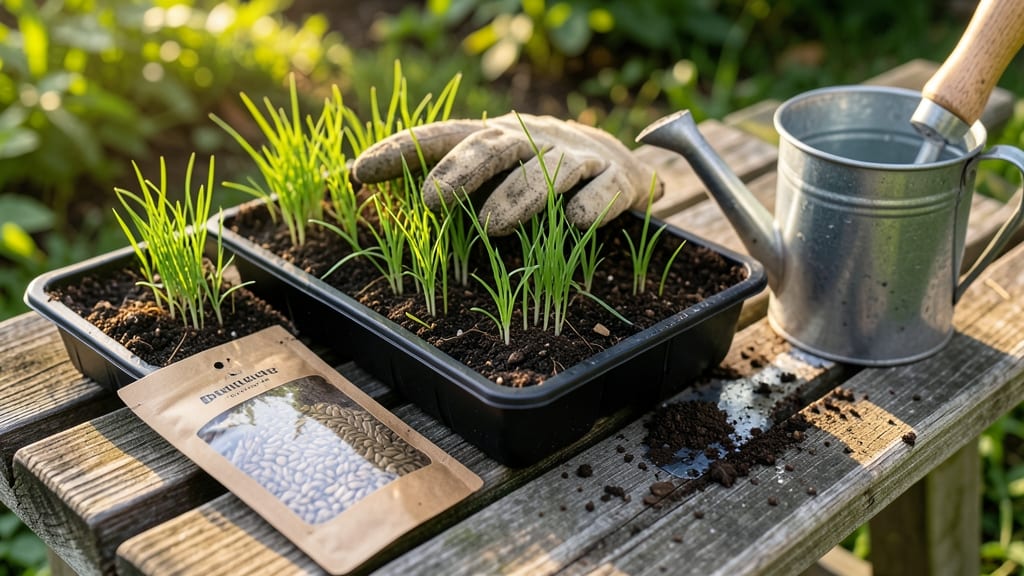
Planting Bermuda seed 🌱 in North Texas at the wrong time can mean the difference between a lush, heat-resistant lawn and months of frustration. The key to fast germination lies in waiting for soil temperatures to consistently hit 65°F—any earlier, and frost risks wipe out your progress.
Most North Texas gardeners in USDA Zone 8a make the mistake of planting too soon, only to watch their seeds fail before summer's brutal heat even arrives. But timing it right—between late April and mid-May—gives your grass the perfect window to establish roots before the real heat sets in.
This isn't just about avoiding frost—it's about giving your Bermuda grass the fast start it needs to outcompete weeds and handle Texas droughts. I'll walk you through the exact steps to prep your soil, when to water, and how to spot healthy growth (or trouble) in those critical first weeks.
Whether you're seeding a new yard or repairing bare patches, these insights will save you time, money, and the heartache of watching your lawn struggle. Let's get your Bermuda grass off to the right start.
Optimal Bermuda seed planting months in North Texas (with temperature guidelines)
North Texas gardeners face a delicate balance when planting Bermuda seed—too early risks frost damage, while late planting leaves lawns vulnerable to summer drought. The ideal window spans from late April to mid-May, when soil temperatures consistently reach 65°F (18°C) or higher.
This timing aligns with USDA Zone 8a conditions and ensures your lawn establishes before Texas heat peaks.
Bermuda grass thrives in heat but won’t germinate below 60°F (15°C). Planting in March is risky—late frosts can still occur, and slow germination weakens seedlings. Conversely, waiting until June delays establishment, leaving your lawn thin and prone to weeds during the critical summer months.
Here’s the golden rule: Wait until the last frost date (typically around March 15 in North Texas) has passed and soil temperatures are stable. Use a soil thermometer to confirm—consistent 70°F (21°C) days speed up germination from 7–21 days.
For overseeding (adding seed to an existing lawn), late May to early June works if your current Bermuda grass is already established. However, this method requires heavy seed rates (1–2 lbs per 1,000 sq ft) to compete with established turf.
| Month | Soil Temp (°F) | Frost Risk | Germination Time | Notes |
|---|---|---|---|---|
| March | 50–65°F | High | Slow (21+ days) | Risky; frost can kill seedlings. |
| April | 65–75°F | Low | 7–14 days | Best for new lawns; warm soil speeds growth. |
| May | 75–85°F | None | 5–10 days | Ideal; rapid germination with no frost threat. |
| June | 85–95°F | None | 7–14 days | Good for overseeding; heat may stress seedlings. |
North Texas summers bring intense heat and drought conditions, so timing matters even more. Planting in April or May ensures your Bermuda grass establishes a deep root system before summer’s peak. Roots need 6–8 weeks to develop fully, so don’t wait until July—your lawn will struggle to recover.
Pro tip: Check the National Weather Service for 10-day forecasts before planting. If highs exceed 100°F (38°C) for multiple days, delay seeding until temperatures drop slightly. Bermuda grass can handle heat once established, but seedlings wilt quickly in extreme conditions.
For southern North Texas (e.g., Dallas, Fort Worth), aim for late April. In northern areas (e.g., Denton, Gainesville), wait until mid-May to avoid late spring frosts. Always confirm with your local AgriLife Extension office for hyper-local advice.
Once planted, consistent watering is critical. Bermuda seed needs 1–1.5 inches of water weekly (deep soak, not light sprinkles) to prevent drying out. Use a rain gauge to track moisture—North Texas’s clay soil drains poorly, so avoid overwatering, which can suffocate roots.
Remember: Patience pays off. Bermuda grass may look sparse at first, but with the right timing and care, it’ll outperform cool-season grasses by summer’s end. Your reward? A lush, heat-tolerant lawn that stays green when others turn brown. 🌱
Optimal Bermuda seed planting months in North Texas (with temperature guidelines)
North Texas's USDA Zone 8a climate demands precise timing for Bermuda seed success. Plant too early, and frost will kill your seeds before germination. Too late, and your lawn won't establish roots before summer's heat peaks. The ideal window is late April through mid-May, when soil temperatures hit 65°F+ consistently.
This timing aligns with North Texas's last frost date (around March 15) and gives your grass 6-8 weeks of warm weather to establish before summer's intensity. The Texas A&M AgriLife Extension confirms this window as optimal for fast germination and heat tolerance.
Here's what you need to know about each month's suitability:
| Month | Soil Temp | Frost Risk | Germination Speed | Best For |
|---|---|---|---|---|
| March | 50-60°F | High | Slow | Overseeding only |
| April | 65-75°F | Low | Moderate | New lawns |
| May | 75-85°F | None | Fast | Best results |
| June | 85-95°F | None | Very Fast | Repairs only |
April is your safest bet for new lawns—soil warms enough for germination while still allowing time for root establishment before summer's peak. If you're repairing bare patches, late May or early June works, but expect faster germination due to higher temperatures.
Use a soil thermometer (available at garden centers) to confirm temperatures. Plant when readings hit 65°F+ for at least 5 consecutive days. This consistency is crucial for uniform germination and avoiding patchy lawns.
Pro tip: Check the Texas A&M AgriLife Extension website for your specific county's frost dates—some North Texas areas experience late frosts into early April. Planting too early in these zones risks frost damage to young seedlings.