
Plants
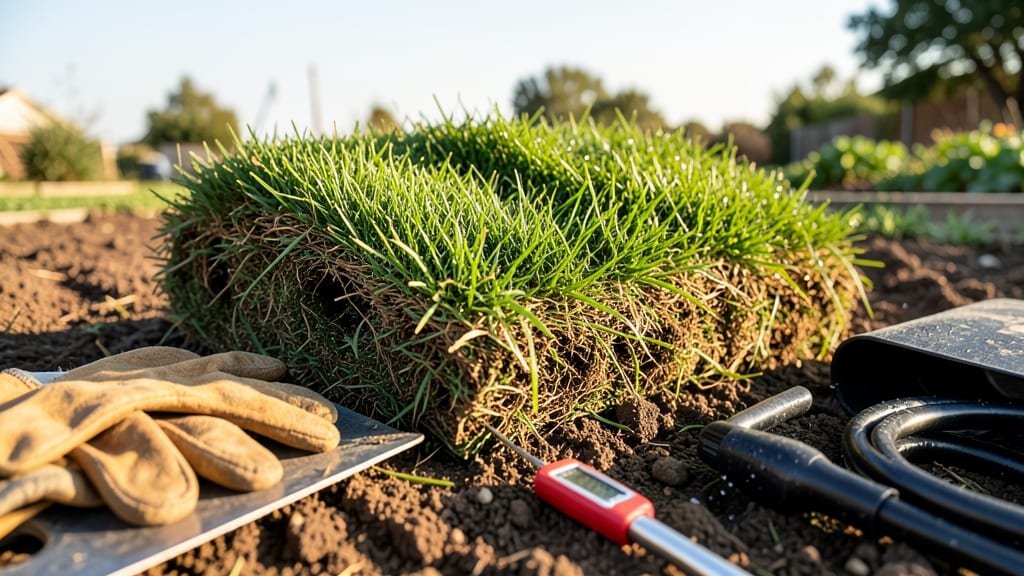
Planting Bermuda grass sod in Georgia at the wrong time can mean the difference between a lush, green lawn and struggling patches that never quite take hold.
The key to fast root establishment lies in understanding when to plant Bermuda grass sod in Georgia—where timing aligns with soil warmth and weather patterns, not just calendar months.
Georgia’s USDA zones 7b-8a create a unique challenge because the state’s climate shifts dramatically from spring’s mild warmth to summer’s scorching heat. If you plant too early, cool soil can stunt growth, while waiting too long risks summer drought stress.
The sweet spot? Early spring or late summer, when temperatures consistently stay above 65°F—but there’s more to it than just the calendar.
Regional differences matter too. Atlanta’s Piedmont climate behaves differently than Savannah’s coastal humidity, and even microclimates within cities can shift planting windows by weeks.
I’ll break down the exact months to aim for, soil prep secrets, and how to tell if your lawn is truly ready to thrive—so you can skip the guesswork and get that fast establishment you’re after.
Whether you’re replacing a patchy lawn or starting fresh, these insights will help you avoid common pitfalls like overwatering or underprepping soil. Let’s dive into the steps that turn bare ground into a vibrant Bermuda grass carpet—without the trial and error.
Optimal planting windows for Georgia’s Zone 7b-8a: month-by-month breakdown
Timing is everything when planting Bermuda grass sod in Georgia, where Zone 7b-8a creates distinct windows for success. The ideal months are March-April (early spring) and July-August (late summer), when soil temperatures consistently stay above 70°F—critical for root establishment.
Planting outside these windows risks slow growth, weed invasion, or heat stress.
Georgia’s microclimates add complexity: Atlanta’s Piedmont region (Zone 7b) can plant 2-3 weeks earlier than coastal Savannah (Zone 8a), where humidity extends the growing season. Always check your local frost dates—last frost averages March 15, but coastal areas may see earlier warmth.
Here’s your Georgia-specific planting timeline, tailored to soil warmth and regional variations:
| Month | Soil Temp (°F) | Planting Window | Region Notes |
|---|---|---|---|
| February | 55–65°F | Risky (coastal only) | Only Savannah/coastal areas with warm soil |
| March | 65–75°F | ✅ Ideal (Piedmont) | Best for Atlanta, Athens—soil warms fast |
| April | 70–80°F | ✅ Ideal (all regions) | Peak window—avoid drought stress |
| May | 75–85°F | ⚠️ Possible (early) | Risk of heat stress—water deeply |
| July | 80–90°F | ✅ Ideal (late summer) | Coastal areas excel; Piedmont may need shade |
| August | 78–88°F | ✅ Ideal (late) | Last chance before dormancy |
| September | 70–80°F | ⚠️ Risky (late) | Only if soil stays warm—coastal preferred |
For Atlanta and Piedmont areas, aim for March 15–April 15—this aligns with soil warming and avoids late-spring droughts. Coastal Georgia (Savannah, Brunswick) can extend planting into late August, thanks to prolonged warmth and higher humidity. Use a soil thermometer to confirm 65°F+ before planting.
Pro tip: Early morning is the best time to lay sod in April or July—cooler temps reduce heat stress on newly installed grass. If planting in August, choose a shady day to prevent wilting.
Miss the window? Late summer (July-August) is your second chance, but prioritize daily watering (1–1.5 inches) to compensate for Georgia’s intense summer sun. Avoid planting in June unless you’re in a shaded microclimate—peak heat can kill sod before roots establish.
🌱
Optimal planting windows for Georgia’s Zone 7b-8a: month-by-month breakdown
Georgia’s USDA zones 7b-8a offer two prime windows for planting Bermuda grass sod: early spring and late summer. Each window has distinct advantages, but both hinge on soil temperatures staying above 65°F for optimal root growth.
In Atlanta’s Piedmont region, aim for March to early April, while coastal areas like Savannah can push planting into late February due to milder winters.
The late summer window (July-August) is ideal for avoiding summer heat stress, as established sod can handle Georgia’s peak temperatures better than newly planted grass. However, this window requires consistent irrigation to combat drought conditions.
If you miss both windows, September can still work in northern Georgia, but expect slower growth as temperatures drop.
Here’s how Georgia’s microclimates shift planting timelines:
🌱 Georgia Planting Windows by Region
| Region | Ideal Months | Soil Temp Threshold | Key Consideration |
|---|---|---|---|
| Atlanta (Piedmont) | March–April, July–August | 65°F+ | Cooler nights delay spring planting |
| Savannah (Coastal) | February–March, June–July | 60°F+ | Humidity speeds root growth |
| Augusta (Central) | March–April, July–August | 65°F+ | Balanced climate for both windows |
Avoid planting in May or June unless you’re in northern Georgia, as summer heat can cause sod to dry out before roots establish. Even in ideal windows, monitor weekly rainfall—if Georgia’s humidity drops below 40%, supplement with 1–1.5 inches of water daily for the first 2 weeks.
This ensures your sod doesn’t suffer from drought stress during critical root development.
Pro tip: Use a soil thermometer to confirm temperatures. Bermuda grass sod needs soil at 70°F or warmer to thrive, and cooler mornings in spring can delay growth. If your soil is below 65°F, wait 1–2 weeks or prepare for slower establishment.
Timing isn’t just about months—it’s about weather patterns. Check the National Weather Service for forecasts 2 weeks out, as sudden heatwaves or cold snaps can derail your planting schedule.
For example, a late-March freeze in Atlanta could push your ideal window to April, while Savannah’s milder climate might allow February planting.
Once you’ve locked in your window, prioritize soil prep 2–3 weeks ahead. Loosen compacted soil, amend with compost, and level the area to prevent water pooling. This prep work is just as critical as timing—skipping it can lead to uneven growth or fungal issues, even with perfect planting dates.