
Plants
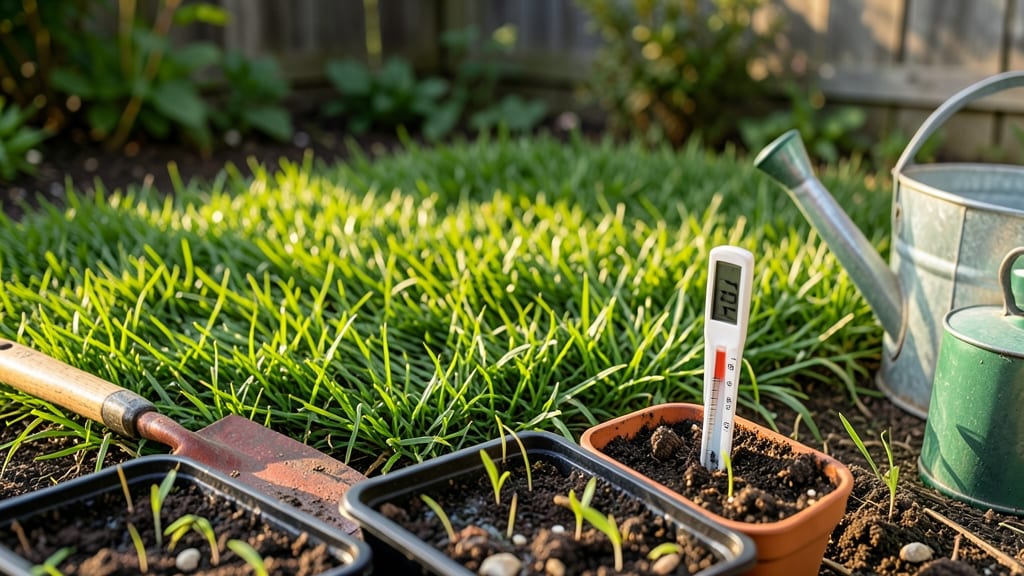
If you’re wondering when to plant Bermuda grass in Tennessee, timing is everything—especially in the state’s warm but unpredictable climate. Planting at the wrong time, like too early in spring, can leave your yard thin and weak, even with Bermuda’s natural drought resistance.
The key to a lush, drought-resistant lawn lies in waiting for the right conditions: soil temperatures above 65°F and consistent warmth after the last frost. For Tennessee’s USDA zones 6a-8a, that usually means late spring to early summer, but local frost dates and microclimates can shift your window.
In this guide, I’ll break down the exact months to plant for strong root growth, plus how to prep your soil and adjust for Tennessee’s heat and drought cycles. Skip the guesswork—let’s get your grass off to the best possible start.
Whether you’re seeding or laying sod, these insights will help you avoid common mistakes and set your lawn up for success all summer long.
Best months to plant Bermuda grass in Tennessee for maximum root growth
Bermuda grass thrives in Tennessee’s warm climate, but planting it at the wrong time can stunt growth or even kill seedlings before they establish. The ideal window for planting is between late April and early June, when soil temperatures consistently reach 65°F (18°C) or higher.
This aligns with Tennessee’s USDA zones 6a-8a, where frost-free dates vary by region—typically mid-March to late March in most areas.
In East Tennessee (e.g., Knoxville), you can start as early as late April due to earlier warm-ups, while West Tennessee (e.g., Memphis) may wait until early May to avoid late frost risks. Central Tennessee (Nashville) falls in between, with mid-to-late April being the sweet spot for most homeowners.
If you miss the spring window, late summer (August) is a secondary option, but seedlings may struggle with intense heat and drought stress. Avoid planting in fall or winter—Bermuda grass is a warm-season grass and won’t survive Tennessee’s first frost (November 5–15).
Here’s a quick reference for Tennessee’s planting timeline based on your region:
For fastest establishment, aim to plant Bermuda grass 4–6 weeks before peak summer heat (late June). This gives seedlings time to develop deep roots before facing Tennessee’s 90°F+ temperatures and drought conditions.
If you’re using sod, the window is slightly wider—you can install it up to early July in most areas.
Pro tip: Use a soil thermometer to confirm temperatures before planting. If your soil is below 65°F, wait—cold soil slows germination and weakens seedlings. Overwatering in cool soil can also lead to fungal diseases like brown patch, common in Tennessee’s humid summers.
Once planted, Bermuda grass grows aggressively in full sun (6–8+ hours daily), which Tennessee’s climate provides in abundance. Just be prepared for regular mowing (1–1.5 inches tall) to maintain its dense, drought-resistant turf.
🌱
Critical factors that determine your planting timeline in Tennessee
Tennessee’s diverse climate—from the cooler Appalachian Mountains to the warmer Middle Tennessee valleys—means planting windows vary by region. For example, Chattanooga’s last frost typically occurs by March 20, while Nashville’s can linger until April 1.
These differences directly impact when you should plant Bermuda grass seeds or sod.
Soil temperature is the #1 factor for Bermuda grass success. Seeds won’t germinate until the soil reaches 65°F (18°C), which usually happens in late May in northern Tennessee but as early as mid-April in the western Memphis area. Always check with a soil thermometer before planting.
Rainfall also plays a role. Drought-prone areas like the Middle Tennessee Basin require extra irrigation after planting, while wetter regions like the Cumberland Plateau may need soil preparation to avoid waterlogging. Plan for 1-1.5 inches of water weekly during establishment.
Here’s how local frost patterns shift planting dates by region:
| Region | Last Frost Date | Ideal Planting Window | Key Consideration |
|---|---|---|---|
| East Tennessee (e.g., Knoxville) | March 20–April 5 | Late May–June 15 | Cooler soils; wait for 65°F+ |
| Middle Tennessee (e.g., Nashville) | March 15–April 1 | May 1–June 10 | Moderate rainfall; monitor drought |
| West Tennessee (e.g., Memphis) | February 28–March 15 | April 15–May 30 | Warmer soils; earlier planting possible |
Choosing between seeds and sod also affects timing. Seeds take 14–21 days to germinate and need consistent moisture, while sod establishes faster (within 2 weeks) but requires immediate watering. In Tennessee’s heat, sod often has a higher success rate if planted in late spring.
If you’re in a drought-prone area, consider planting sod in early June to coincide with summer rains. For seeds, late May is ideal in most regions. Always adjust for unpredictable Tennessee weather—like sudden heatwaves or late frosts—by staying flexible with your schedule.
Pro tip: Use a soil thermometer and track local NOAA frost data to fine-tune your planting date. A few extra weeks of patience can mean the difference between a thin, patchy lawn and a lush, drought-resistant carpet by summer.