
Plants
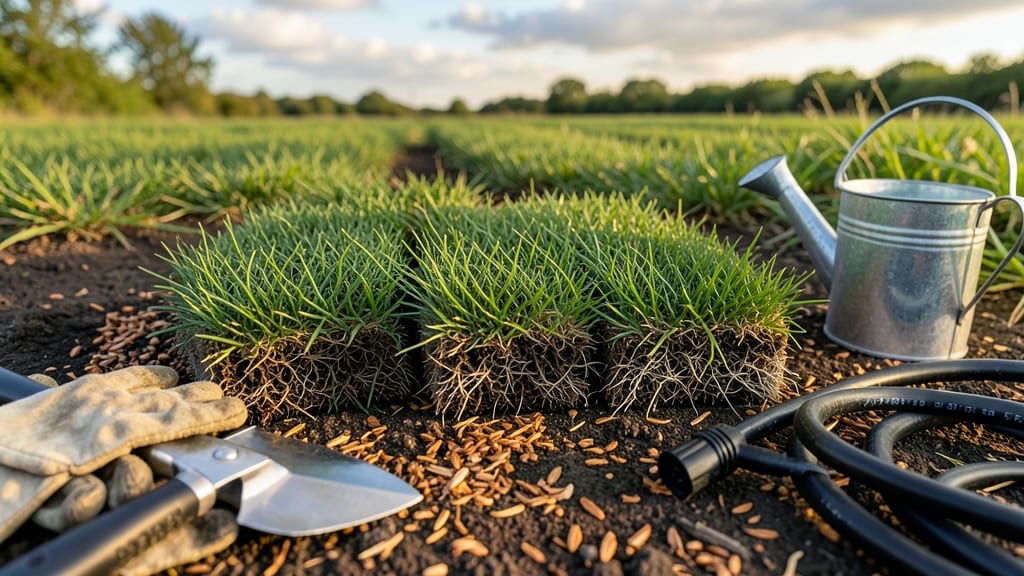
Timing your Bermuda grass planting in Florida can make the difference between a vibrant lawn and a frustrating struggle. With the right window, you'll see fast establishment and a drought-resistant yard that stays green year-round—no matter if you're in North or South Florida.
Most gardeners know Bermuda grass thrives in heat, but did you know planting it at the wrong time can lead to slow growth or even failure? The key is understanding Florida's two ideal windows: spring (March-May) and late summer (August-September) when soil temperatures stay consistently above 65°F.
Whether you're a first-time homeowner or a seasoned gardener, I'll break down exactly when to plant based on your Florida zone, plus pro tips to prep your soil and avoid common mistakes that kill Bermuda grass before it even takes hold.
Let's get your lawn growing stronger and faster than ever before—without the guesswork.
Best planting months for Bermuda grass in Florida’s climate zones
Florida’s warm climate makes Bermuda grass a top choice for drought-resistant lawns, but planting at the wrong time can spell disaster. Unlike northern states, Florida’s USDA zones 8a-11 mean no frost worries—but temperature and rainfall still dictate success.
The ideal window is when soil temps hit 65°F+ consistently, giving young roots the boost they need.
For most of Florida, this means two key periods: spring (March-May) and late summer (August-September). Spring planting aligns with natural rainfall, while late summer avoids peak summer heat stress. But timing varies slightly between North Florida (zones 8a-9a) and South Florida (zones 10a-11)—let’s break it down.
| Region | Best Planting Months | Soil Temp Threshold | Rainfall Notes |
|---|---|---|---|
| North Florida (Jacksonville, Gainesville) | April–May or August–September | 65°F+ (avoid June heat) | Spring rains help; summer droughts require irrigation |
| Central Florida (Orlando, Tampa) | March–April or August–September | 68°F+ (warmer soil speeds germination) | Consistent summer rains reduce watering needs |
| South Florida (Miami, Fort Lauderdale) | April–May or September–October | 70°F+ (humidity slows drying) | High humidity; watch for fungal risks in wet summers |
In North Florida, where cooler winters linger, aim for April-May to avoid June’s brutal heat.
The August-September window works too—just water deeply to combat summer dry spells. Central Florida gardeners have a slight edge with March-April planting, as soil warms faster, but August-September is equally viable if you’re replacing an old lawn.
Down in South Florida, where winters are barely cooler, April-May and September-October are your best bets. The hurricane season (June-November) adds a wrinkle—delay planting if storms are forecasted, as saturated soil can drown seeds. Use a soil thermometer to confirm temps before committing; 65°F+ is non-negotiable for germination.
Pro tip: If you’re sodding Bermuda grass (not seeding), you’ve got a 2-week window after the ideal months—just keep the sod moist until roots establish.
For seeding, stick to the exact months above, as seeds need warm soil to break dormancy. Overseeding in late summer can thicken thin patches, but avoid this in South Florida’s wet season.
One common mistake? Planting in June-July for a "quick fix." The intense heat and drought stress can kill young grass before it takes hold. Instead, let the natural rainfall of spring or early fall do the work for you. Mulch lightly after planting to retain moisture without smothering seeds.
For shade-tolerant varieties (like TifTuf), timing matters less, but you’ll still need 6+ hours of sun daily for thick growth.
If your yard has partial shade, plant in spring to maximize sunlight exposure as trees leaf out. Test your soil’s pH (aim for 6.0-7.0) before planting—Florida’s sandy soils often need gypsum or compost to improve structure.
Remember: Bermuda grass is aggressive and spreads via stolons and rhizomes. Planting at the right time ensures it outcompetes weeds naturally. Skip the fall planting trap—cool temps slow growth, leaving your lawn vulnerable to moss and weeds until spring.
With the right timing, your Bermuda lawn can go from bare dirt to lush green in just 6-8 weeks.
Best planting months for Bermuda grass in Florida’s climate zones
Florida’s climate is divided into distinct zones, and the best time to plant Bermuda grass varies slightly depending on whether you're in North Florida, Central Florida, or South Florida. The critical factor is soil temperature—it must stay consistently above 65°F for optimal germination and root growth.
If you plant too early, cool soil can stunt growth, while waiting too late risks summer heat stress.
For most of Florida, the ideal windows are spring (March-May) and late summer (August-September). Spring planting gives Bermuda grass a head start before summer’s intense heat, while late summer planting allows it to establish roots before winter dormancy.
South Florida’s warmer climate extends the planting window slightly later into fall, while North Florida may need to start earlier in spring.
Here’s how Florida’s zones break down for Bermuda grass planting:
| Zone | Best Planting Window | Soil Temp Requirement | Key Consideration |
|---|---|---|---|
| North Florida (Zones 8a-9a) | March 15 - April 30 | 65°F+ consistently | Cooler nights; plant early to avoid summer drought. |
| Central Florida (Zones 9b-10a) | March 1 - May 15 or August 15 - September 15 | 65°F+ consistently | Balanced heat and humidity; avoid June planting. |
| South Florida (Zones 10b-11) | March 1 - June 1 or August 1 - October 15 | 65°F+ consistently | Warmer year-round; extend window into early fall. |
Rainfall also plays a role. Florida’s wet season (June-September) can lead to fungal issues if soil stays too soggy, while the dry season (October-March) may require extra irrigation. Planting in spring ensures Bermuda grass gets enough moisture from natural rains before summer’s heat peaks.
If you miss the ideal windows, don’t panic. Bermuda grass can still be planted in June or October, but growth may slow during extreme heat or cold snaps. For fastest results, stick to the March-May or August-September windows and monitor soil moisture closely.
Pro tip: Use a soil thermometer to check temperatures before planting. Aim for 70-75°F for the best germination rates in Florida’s heat. Once established, Bermuda grass handles drought like a champ—but getting it off to the right start is key!